
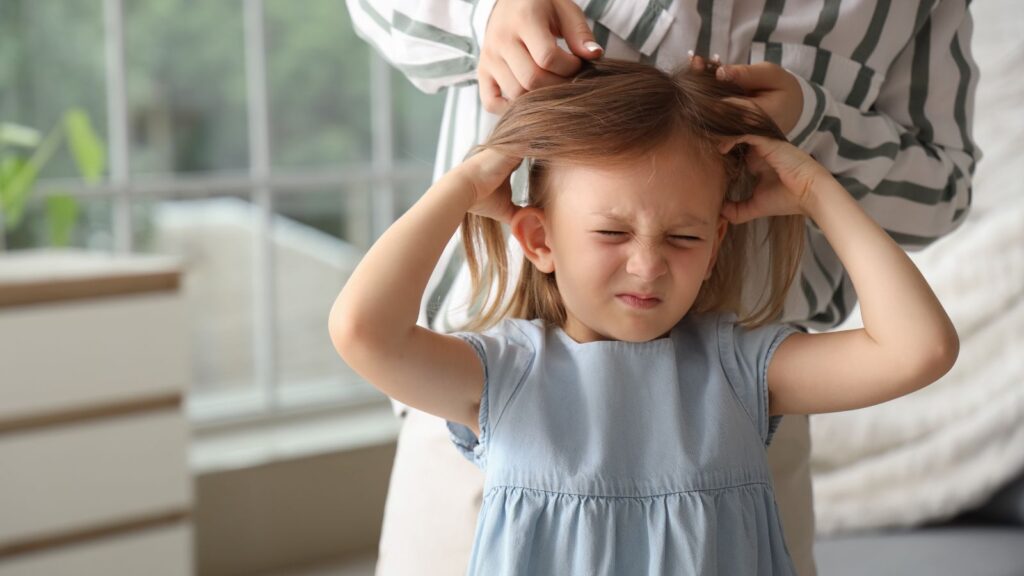
It’s every parent’s least favorite discovery. You’re combing through your child’s hair after a school notice comes home, and there it is — the telltale tiny egg stuck to a strand near the scalp. The instinct is immediate: get to the pharmacy, grab a lice shampoo, fix this tonight.
But here’s what most parents don’t find out until they’ve already burned through three boxes of OTC treatments, missed two weeks of school drop-offs in a panic, and washed every piece of bedding in the house twice: those drugstore products often don’t work. And it’s not because you used them wrong.
The “Super Lice” Problem Nobody Talks About
In 2016, researchers tested lice samples from 48 U.S. states and found something alarming: lice populations in 42 of those states had developed genetic mutations that make them resistant — sometimes completely resistant — to permethrin and pyrethrin, the active ingredients in virtually every OTC lice shampoo on the market.
These aren’t your grandmother’s lice. They’ve been exposed to the same chemical treatments for decades, and they’ve adapted. Scientists call the mutations “knockdown resistance,” and in heavily mutated populations, the insecticide essentially does nothing. The lice walk through it, survive, and keep reproducing.
So when the treatment “doesn’t seem to be working,” it probably isn’t — and it’s not your fault.
The Nit Problem Makes It Even Harder
Even if the shampoo kills some live lice, it almost certainly isn’t killing the eggs. Nit shells are tough physical barriers that most topical chemicals can’t penetrate reliably. This is why OTC products always instruct you to repeat the treatment 7–10 days later — to catch the lice that hatch after the first application.
The problem? That window has to be timed almost perfectly. Hatch too early and the nymphs aren’t affected yet. Wait too long and they’ve already matured and started laying new eggs. Most families — understandably — don’t nail the timing, and the cycle starts over.
Why Professional Lice Removal Changes Everything
This is where professional lice removal comes in — and why more parents and pediatricians are recommending it as a first call, not a last resort.
Professional lice removal specialists don’t rely on insecticides at all. Their entire method is manual: trained technicians systematically work through the hair section by section, physically removing every live louse and every nit by hand using professional-grade tools. Because there’s no chemical involved, resistance is completely irrelevant. It doesn’t matter what genetic mutations the lice are carrying — they can’t develop resistance to a comb and a trained set of eyes.
The difference in thoroughness is significant. A specialist will cover the nape of the neck, behind the ears, and the temples — areas that are easy to miss at home, and exactly where lice prefer to lay eggs. They’ll extract nits that are close to the scalp and translucent enough that most parents wouldn’t even recognize them. And they’ll walk you through what to check for in the days after the appointment.
It’s Also Safer — Especially for Young Children
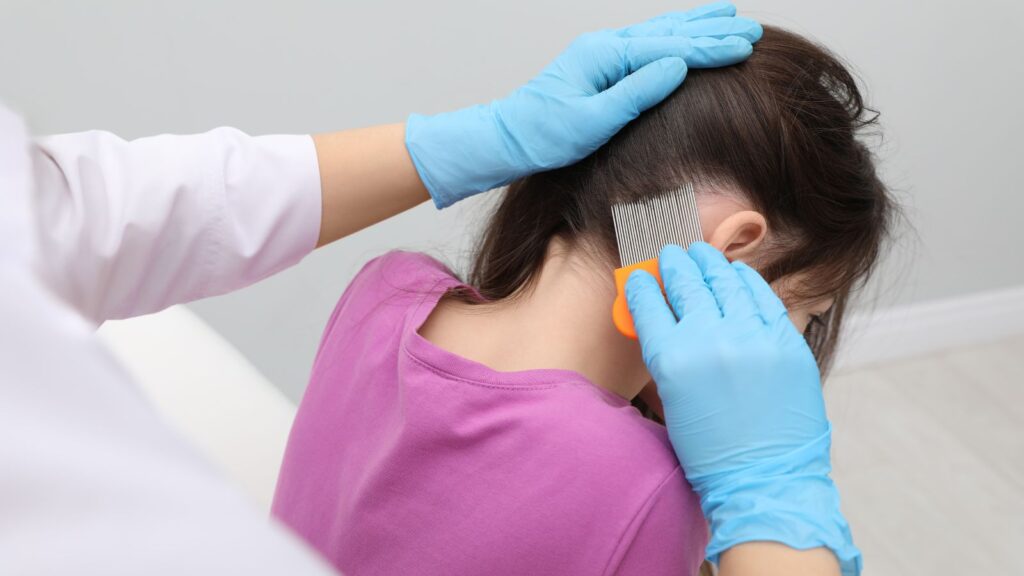
Permethrin and pyrethrin are pesticides. They’re considered low-risk when used as directed, but many parents feel uncomfortable applying insecticides to a toddler’s scalp, particularly for repeated treatments. The American Academy of Pediatrics has acknowledged wet combing — manual removal of lice and nits — as an effective, chemical-free alternative. Professional lice removal is that method, performed by someone who does it every day.
For children with sensitive skin, asthma, or known chemical sensitivities, professional lice treatment isn’t just more effective — it’s also the gentler choice.
Signs It’s Time to Call a Professional
If any of the following applies, skip the next drugstore run and book an appointment instead:
- You’ve used an OTC treatment twice and still see live lice
- Symptoms have returned within two weeks of treatment
- Multiple people in your household are affected
- You’re not confident you can identify nits accurately
- Your child is under two years old, pregnant women in the household are affected, or there are sensitivities to chemical treatments
The Bottom Line for Parents
Head lice are not a hygiene issue, not a sign of a dirty home, and not something to be embarrassed about. They affect millions of families every year across every income level and neighborhood. What matters is resolving the infestation quickly, completely, and without weeks of stressful retreatment cycles.
The most efficient path to that outcome — especially given how widespread insecticide resistance has become — is professional removal. It’s faster, more thorough, chemical-free, and increasingly recognized by health professionals as the smarter first move.
If your family is dealing with lice right now, visit Lice Free Noggins to learn about professional lice removal services and book an appointment with trained specialists who can help you end the cycle for good.