

The growing focus on data-driven training has become an important part of modern fitness. Data collection has long been essential for elite athletes, who track far more than just workout duration or heart rate. Metrics such as calories burned, recovery time, and training intensity are also monitored to evaluate overall performance and post-workout results. Today, sports data is applied across many industries and digital platforms, including sports betting services such as 1xBet, where analytical models help process large volumes of statistical information and manage betting markets.
Like in any profession, trainers must establish clear and measurable goals. When objectives are well defined, training programs can be adjusted progressively as athletes improve. Data collection allows coaches to make informed decisions and refine an athlete’s program when necessary. Without reliable data, training plans may rely on assumptions, which can increase the risk of ineffective workouts or injury.
Maintaining proper focus and technique during training is also essential for preventing injuries. Workout logs help athletes track their progress and monitor performance goals over time. Achieving personal milestones often provides strong psychological motivation and can make training more engaging and rewarding. However, it is important to recognize that not every training method leads to immediate improvement, and adjustments are sometimes needed to achieve long-term results.
Using Data to Improve Strength and Endurance
Data analytics plays an important role in improving training results. Various metrics are monitored during training sessions to evaluate performance and safety. Runners often rely on information from fitness apps such as Strava and Garmin to track pace, distance, and heart rate. Monitoring heart rate is particularly useful for maintaining safe training intensity.
Weightlifters also use detailed records to monitor the number of repetitions and gradually increase weight over time. This structured approach helps reduce the risk of injury and supports steady progress. Even small improvements of around 5–10% in performance metrics can indicate meaningful progress and confirm the effectiveness of a training program.
Wearable devices collect additional data points related to sleep quality, recovery, and blood oxygen levels. These indicators provide useful insights into an athlete’s overall condition and help identify potential issues before they affect performance.
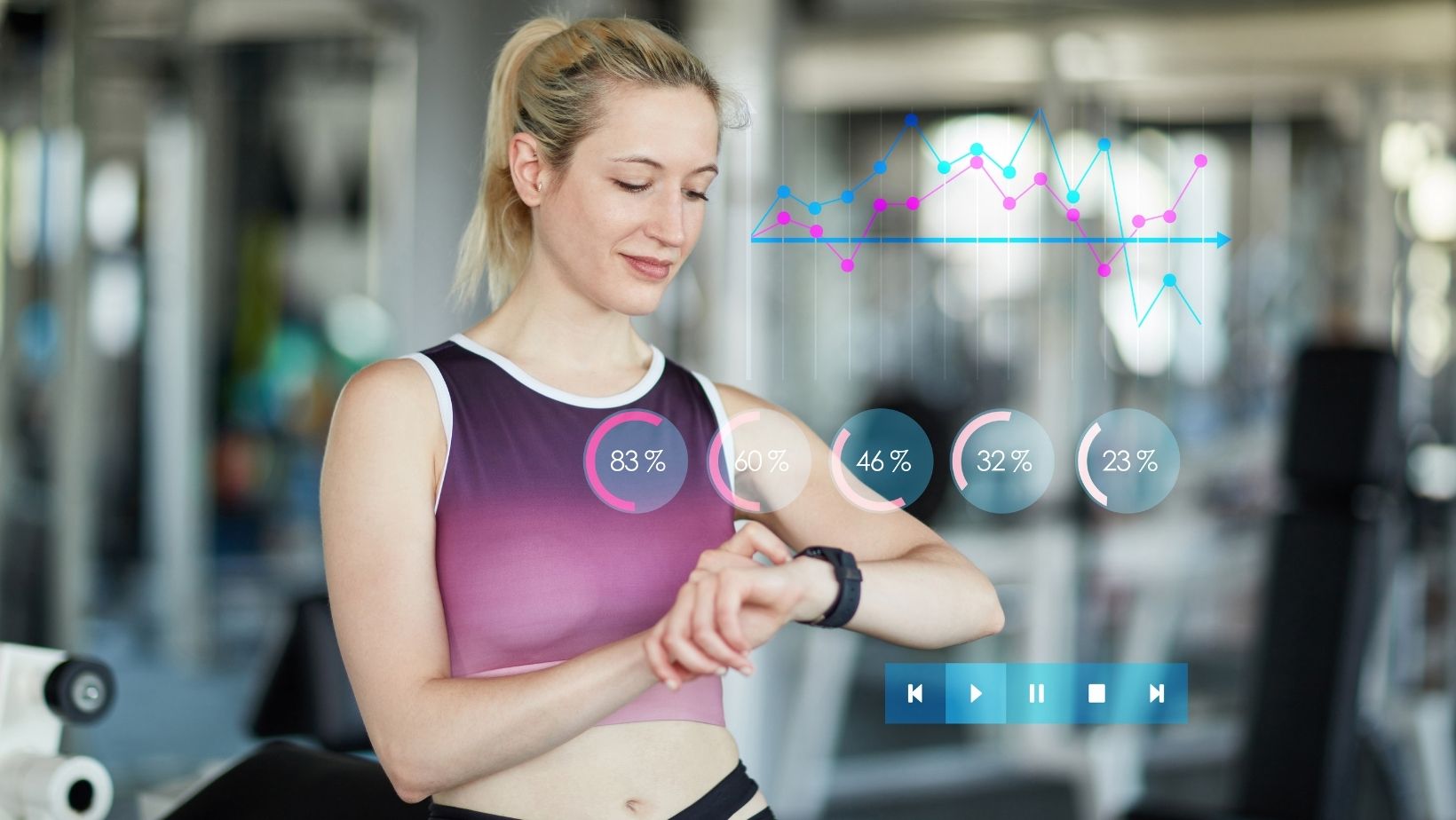
Performance statistics are easier to interpret when they are tracked consistently. For example, resting heart rate and recovery time are important indicators of fitness. A lower resting heart rate and faster recovery after exercise usually reflect improved cardiovascular fitness. Monitoring these metrics helps athletes better understand their physical condition.
Key indicators that support fitness improvement include:
- Recording weekly training volume to prevent overtraining
- Monitoring recovery time after intense exercise
- Tracking sleep duration and quality
- Evaluating personal records over specific time periods
Using these indicators helps reduce the risk of burnout and supports gradual progress through progressive overload. When training is monitored consistently, improvements become more sustainable over time.
Professional Sports Analytics and Everyday Training
Analytics assists professional teams in improving game strategies and conditioning players. GPS systems record how far players travel. Biomechanical movement analysis is another technology used to improve athletic performance. As time goes on, these sophisticated tools will have an impact on fitness activities at the amateur level.
Similar analytical approaches can also be observed in digital betting platforms. Many modern sports platforms use performance statistics, historical results, and probability models to analyse sporting events. The same performance metrics used in athlete training are often applied when evaluating team form, player efficiency, and match outcomes.
An example of this is evidence-based interval training. Studies indicate that intervals of high effort followed by rest increase aerobic capacity. This approach is common among recreational cyclists, runners, and circuit trainers. In this case, structured intervals replace random effort.
Data is also increasingly used in sports nutrition. Caloric burn calculations estimate how much one should eat to maintain energy balance. The right balance of protein and carbohydrates after a workout supports recovery. In terms of recovery, small increases in protein intake may support recovery.
Recovery, Mental Focus, and Long-Term Sustainability
Performance insights include more than simply appreciation of physical effort and output. Equal attention is given to recovery metrics. Tracking heart rate variability can indicate stress levels. Performance is also in part a consequence of mental focus. Many training apps now include mindfulness exercises. Breathing exercises lasting 5–10 minutes can help with focus. Long-term discipline can be a result of consistent recovery routines.
To Wrap Up
Sports performance insights help athletes and fitness enthusiasts build clearer training plans and monitor real progress. Modern devices and tracking tools transform assumptions into measurable results, allowing workouts to become more structured and effective. When metrics are observed over time, small improvements in strength, endurance, and recovery become easier to identify.