
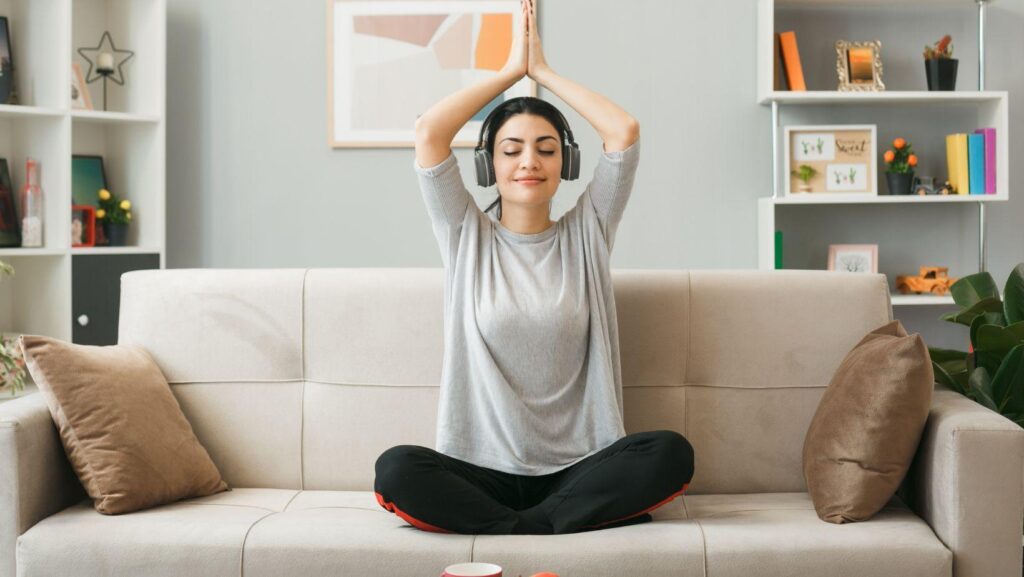
Canadians spend the vast majority of their time inside residential buildings. The interior structure of a house directly alters human biology. Medical research indicates that physical buildings change heart rates, hormone levels, and neurological functions. Architects and medical professionals now collaborate to study how spatial dimensions impact neurological health. This field of study relies on empirical data rather than subjective preferences. When a living space has poor architectural design, the human body registers physical stress. This stress manifests as chronic fatigue, low concentration, or disrupted sleep patterns. A highly functional space actively lowers these physical stress markers.
Before changing a residential layout, homeowners must measure specific physical factors within their property:
- The decibel levels of ambient background noise.
- The parts per million (PPM) of indoor carbon dioxide.
- The color temperature measurements of ceiling lights.
- The geographic placement of functional furniture.
- The relative humidity percentages during the winter months.
This text explains the mechanical relationship between interior spaces and psychology. It groups ten specific environmental factors into five primary categories. All five categories carry equal weight in determining daily mental stability. Understanding these variables provides a systematic method to improve basic well-being without requiring medical intervention.
Way 1: Solar Exposure and Melatonin Production
The human brain operates on a standard 24-hour cycle known as the circadian rhythm. This biological cycle requires bright light in the morning to function correctly. When natural sunlight enters the retina, the brain stops the production of melatonin. Melatonin is the chemical compound that causes humans to sleep. Many Canadian houses possess small windows or face north, which heavily limits solar exposure. During Canadian winters, the sun often sets before five in the afternoon, creating a prolonged period of darkness. This geographic reality forces the body to produce melatonin prematurely. A person will feel physically tired at noon if their house remains dark. To fix this physiological problem, residents need to reposition primary seating areas. Placing a desk or a reading chair within three feet of a glass window provides adequate lux levels. Opening blinds fully at eight in the morning resets the daily sleep cycle.
Way 2: Artificial Frequency and Evening Transition
Daylight is not the only light source that alters human brain function. The physical type of lightbulbs used after sunset changes how the body prepares for rest. Standard overhead LED lights often emit cool, blue-wave light. Blue light forces the central nervous system to stay alert because it chemically mimics the midday sun. If a person uses these lights at nine in the evening, they will struggle to sleep at eleven. The solution requires changing residential light sources. Homeowners should use table lamps equipped with bulbs measuring 2700 Kelvin or lower. This measurement emits a warm, yellow frequency. Warm light does not block melatonin production. Using low-placed lamps instead of ceiling fixtures also reduces optical strain on the eyes.
Way 3: Memory Triggers and Object Display
A blank wall provides zero psychological feedback. Humans rely on specific visual cues to establish a physical sense of territory and safety. Displaying items connected to personal history gives the brain reliable positive data points. When a person looks at an image of a familiar family member, the brain releases small quantities of dopamine. The physical format of the display directly changes the visual impact. Flimsy paper or broken frames register in the brain as a physical disorder. Using solid materials provides a permanent, clean appearance. For example, modern metal prints offer a flat, rigid surface that prevents fading and glare. Metal surfaces do not warp in humid residential rooms. Securely mounting these objects at eye level creates a predictable visual field. This visual predictability lowers background anxiety.
Way 4: Surface Colors and Neurological Stimulation
Wall color dictates how much visible light bounces into the human eye. High-saturation colors like bright red or neon orange reflect light in a way that stimulates the central nervous system. This continuous stimulation raises blood pressure by small margins over several hours. Neutral colors like flat gray, pale blue, or muted green absorb more light. They lower overall visual stimulation. Medical facilities frequently use low-saturation blue because it physically slows human breathing rates. Homeowners should apply neutral paint tones to rooms meant for resting, such as bedrooms. High-stimulation colors should be strictly limited to small objects or specific rooms used for physical activity, such as home gyms. Color choices also impact spatial perception. Light colors make a room appear larger by reflecting more photons, while dark colors absorb photons and make walls appear closer.
Way 5: Visual Density and Cortisol Levels
The human eye constantly scans the surrounding environment for physical obstacles. When a room contains hundreds of loose objects, the brain must process every single object. This optical process requires continuous neurological energy. Psychologists refer to this physical drain as cognitive load. A high cognitive load actively increases cortisol production. When objects pile up on surfaces, the brain perceives the mess as an unfinished task. This psychological perception triggers a continuous fight-or-flight response. People living in crowded rooms report higher measurable rates of daily exhaustion. Reducing visual density immediately solves this problem. To lower cognitive load, residents should implement these specific storage rules:
Way 6: Functional Boundaries and Task Separation
Many residential houses now function as corporate offices. When a person works and sleeps in the exact same room, the brain loses required contextual markers. Contextual markers tell the body when to exert energy and when to relax. Without physical boundaries, a person remains in a state of low-level alertness at all times. This constant alertness directly leads to physiological burnout. The solution requires a strict geographic division inside the house. A work computer must stay on a specific desk. When the work shift ends, the person must physically leave that specific zone. If a house has limited square footage, a folding screen can physically block the work area from view. Physical barriers successfully create necessary mental barriers.
Way 7: Indoor Air Chemistry and Cognitive Function
Modern construction traps stale air inside the structure. Indoor air chemistry changes rapidly throughout the day. Humans constantly exhale carbon dioxide (CO2). Standard furniture and synthetic carpets release volatile organic compounds (VOCs). When CO2 levels exceed 1000 parts per million, human cognitive function measurably drops. People experience physical headaches, slow reaction times, and general fatigue. Improving air exchange rates is mandatory for mental clarity.
Way 8: Decibel Exposure and Nervous System Strain
The human ear detects pressure changes even during sleep cycles. Constant background noise from highways, neighbors, or household appliances keeps the nervous system in an active state. Chronic exposure to noise above 50 decibels prevents deep, rapid eye movement (REM) sleep. A lack of REM sleep causes severe daytime mood instability. Homeowners must use physical mass to block unwanted sound waves. Soft materials absorb high-frequency sounds efficiently. Installing heavy rugs on hard wooden floors reduces room echo. Hanging thick, lined curtains over glass windows blocks exterior street noise. Upholstered fabric furniture absorbs more sound than solid wooden chairs. Lowering the total decibel level in a house allows the nervous system to return to a calm baseline state.
Way 9: Thermal Regulation and Physiological Load
Human bodies operate at a highly specific internal temperature. If a room is too cold or too hot, the body expends caloric energy to fix the difference. Shivering or sweating takes physical energy away from mental tasks. Thermal discomfort makes people highly irritable and unable to focus. Sleep requires a standard drop in core body temperature. A bedroom that is heated above 20 degrees Celsius prevents this necessary drop. This causes fragmented, poor-quality sleep cycles. Houses need stable, predictable thermal zones. Homeowners should use programmable thermostats to automatically lower temperatures at night. Low humidity dries out the respiratory tract, causing physical stress. Maintaining a consistent temperature and humidity removes physical strain from the body.
Way 10: Biophilic Geometry and Evolutionary Responses
Humans evolved in outdoor environments. The human brain recognizes natural patterns and textures easily and quickly. Modern houses consist of straight geometric lines, flat drywall, and plastic synthetic surfaces. The brain works harder to process these artificial geometries. Adding live green plants introduces organic, irregular shapes. Plants also provide complex visual textures that rest the optic nerve. Wood grain is a biologically recognized pattern. Exposing natural wood floors or using heavy stone tables triggers an evolutionary relaxation response. Incorporating these organic materials directly reduces human blood pressure. The brain stops scanning for artificial threats when it recognizes natural, biological components in the immediate environment. This creates an automatic sense of safety.
Conclusion
A residential building actively dictates human behavior. The physical parameters of a house manipulate daily hormones, brain waves, and heart rates. Improving mental stability requires changing the immediate physical environment. Homeowners do not need to alter the structural framing or plumbing of their house to see results. Each room must serve a specific biological or psychological purpose.
By strictly managing daily light exposure, residents can fix their biological sleep cycles. By removing visible loose objects, they lower stress hormones like cortisol. Improving indoor air exchange rates stops chemical fatigue and headaches. Managing physical sound waves allows the central nervous system to rest properly at night. A house should function as a primary biological support system. When the air, light, sound, and temperature match human biological requirements, mental focus becomes automatic and sustained. Taking systematic control of a physical space is the most effective way to protect long-term mental health. Modifying these ten specific variables provides a reliable, repeatable method to stabilize daily psychological function without relying on external variables.