
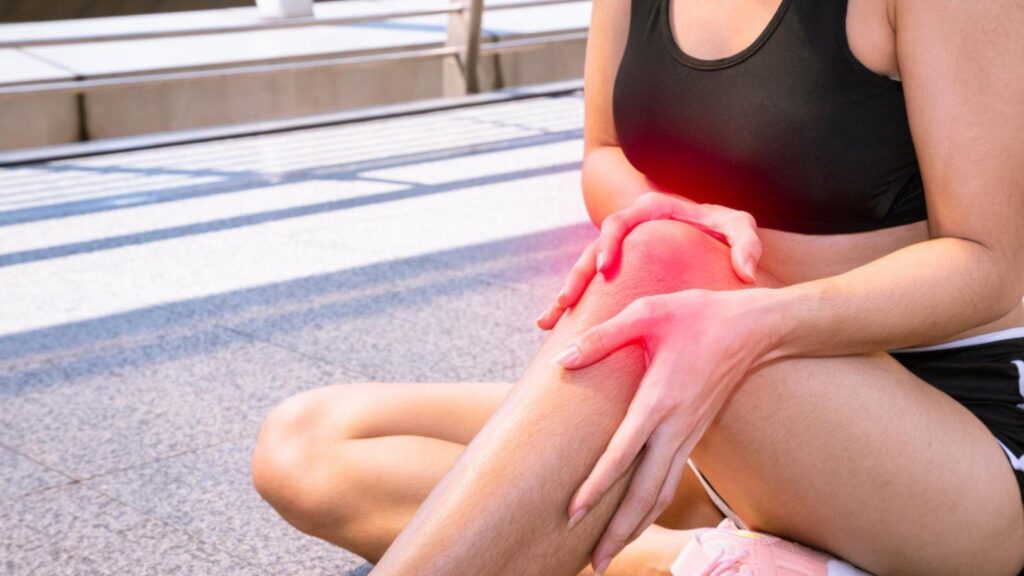
While minor pain may not necessarily indicate a serious problem, it can gradually alter how one moves, works, sleeps, and exercises. To overcome pain, many people resort to various drugs and often limit physical activity.
Unfortunately, this approach negatively affects muscle strength and your ability to move freely. Alternatively, you can switch to a drug-free approach, at least for a while, to see how it reduces pain and makes your condition a bit more manageable. Here are some options to consider.
Routine Chiropractic Care
Chiropractic care is a good option for any discomfort caused by reduced joint mobility, spinal stiffness, postural strain, and recurring neck and back pain. The American College of Physicians recommends that you should try non-pharmacological options, such as heat, massage, acupuncture, and spinal manipulation, before going for a pain medication to treat recurrent neck and low back pain. That’s why chiropractic care is a solid treatment option to consider here.
Choosing the right practitioner is vital, though, and that’s the reason why many people turn to the Joint Chiropractic service for its positive reputation. It’s a good choice for anyone looking for routine access to licensed chiropractors while bypassing the typical issues associated with scheduling appointments or dealing with health insurance. Its model focuses on walk-ins, affordable rates, licensed practitioners, and consistent treatment for common ailments, such as mobility issues, joint stiffness, back pain, and neck problems.
When visiting a skilled practitioner for the first time, you may see them review your health history, discuss symptoms, perform posture or movement checks, and, if necessary, make some physical adjustments right away. However, keep in mind that you should take this treatment option as part of a comprehensive approach, often combined with exercise, physical conditioning, ergonomic changes, and recovery activities for the best results.
Aquatic Exercise for Low-Impact Strength
If you think aquatic exercise is nothing more than mere swimming, think again. It’s much more than that because it harnesses the properties of water to make movement easier while still forcing your muscles to do most of the work.
Since you perform these activities in water, you don’t have to worry too much about putting stress on your affected joints. However, there’s enough resistance to help you build strength over time. That’s why these activities are quite useful for anyone experiencing pain in the knees, hips, lower back, or ankles.
The best thing about this treatment option is that it allows you to stay active even when normal activities feel difficult. For instance, you can’t even think of regular squats if you have sore knees, but fascinatingly, you can easily tolerate water walking, heel raises, side steps, and gentle knee bends in a pool. In fact, the warmth and buoyancy alone can go a long way toward making someone with back stiffness feel relaxed.
However, be strategic when using this option. Ideally, you should start with a 20-min session twice a week and then take it from there. Select the right exercises in the beginning. Some good moves are hip circles, marching, water walking, step touches, shoulder rolls, and gentle flutter kicks. Remember, the goal is not to tire you out but to perform controlled movement with less guarding.
Transcutaneous Electrical Nerve Stimulation (TENS) for Short-Term Pain Modulation
TENS involves sending electrical pulses to your muscles to relieve any stiffness and make everyday aches feel more manageable. While it may not be useful for everyone, so many people have found it effective as a short-term pain modulation option.
Essentially, TENS is a trial tool, not a guaranteed solution, but when used strategically, it can help you tolerate movement more effectively and complete light exercise without aggravating your pain. For instance, if you have always experienced lower back tightness, you can try TENS right before going for a walk or doing any gentle mobility work. Similarly, you can use it during a period of activity modification if you’re currently experiencing shoulder or knee pain.
To use it effectively, you need to place sticky electrode pads around the affected area; don’t put those pads directly on the sore area or broken skin. It’s important to select the right strength of electrical pulses; they should be strong yet comfortable. Most sessions last about half an hour. Just be sure to talk to a professional before using TENS if you already have implanted electrical devices or pacemakers. TENS may also not be the best choice if you have epilepsy or are pregnant.
Self-Myofascial Release for Soreness
Massage balls, foam rolling, and other self-myofascial release tools can also help release tightness and improve range of motion, especially after strength training. By using them correctly, you may be able to alleviate pain caused by muscle overuse, tenderness, or limited range of motion.
Here, you need to be precise with your movement. It may be tempting to roll really hard into every pain point, but that could irritate the tissues. The right way to go about it is to spend 30 to 60 seconds on a single muscle group, such as the calves, quads, glutes, upper back, or muscles around the scapula. Apply moderate pressure and breathe deeply throughout the session. Finish with active movement; for instance, you can try some ankle circles after rolling out your calves.
Remember, this approach is useful for post-exercise soreness, muscular tightness, and movement prep, but may not be as effective for treating sharp joint pain, swelling, numbness, or suspected injury. Don’t continue if your pain becomes worse with pressure.
Tai Chi and Qigong for Pain Relief
Tai chi and qigong are usually considered relaxation practices, but they can also help relieve pain through slow movement, coordination, breathing, and body awareness.
It means these practices may be useful for those experiencing pain due to poor balance, stiffness, stress, or fear of movement. It may also help reduce pain if you’re currently experiencing low-back pain, knee osteoarthritis, and fibromyalgia.
However, it’s important to start slow. You’ll get good results if you begin with short, guided sessions of 10 to 15 minutes. Select the right programs, such as Tai Chi for arthritis, to ensure you can practice everything properly.
Endnote
Drug-free ache management is possible, but it’s more useful when it’s layered. For instance, you can try chiropractic care to support joint motion, but also include water exercise in your routine to rebuild confidence. Similarly, TENS may be more useful during flares, whereas tai chi goes a long way toward improving your balance and movement control. Be sure to work with your doctor to ensure you don’t end up worsening your pain because of any serious underlying issues.