
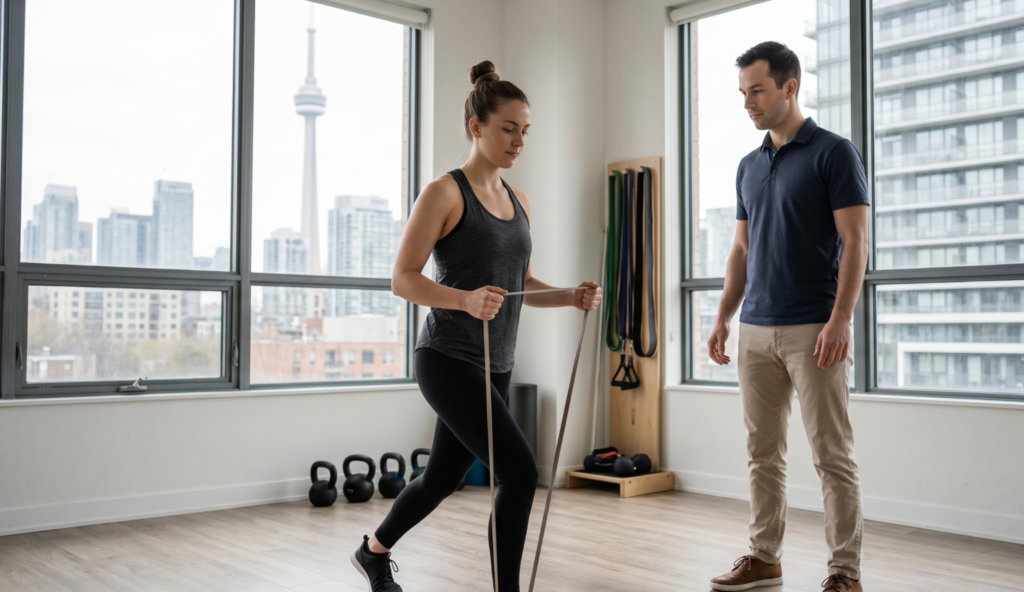
Fitness enthusiasts in Toronto are more active than ever, hitting the gym, running along the waterfront trails, or joining group classes in search of better performance and long-term health. Yet many discover that pushing harder without proper support can lead to setbacks that stall progress and sideline goals. This is where targeted support becomes essential for sustainable results.
From weekend warriors training at High Park to competitive athletes preparing for events, incorporating professional guidance makes a significant difference. Many active individuals in the city now rely on sports physiotherapy Toronto services to address imbalances, accelerate recovery, and build resilience against common training injuries. When combined with the right therapeutic exercises, this approach helps people train smarter rather than just harder.
Why Sports Physiotherapy Matters in Modern Fitness Routines
Sports physiotherapy goes far beyond treating injuries after they happen. It focuses on prevention, performance optimization, and helping the body move efficiently under the demands of regular exercise. In a city like Toronto with its mix of intense training culture and busy urban lifestyles, small issues like tight hips from long commutes or shoulder strain from desk work can quickly affect workout quality.
Canadian fitness participation continues to rise, with over 60 percent of adults engaging in some form of regular physical activity. However, studies also show that up to 50 percent of recreational athletes experience a musculoskeletal injury each year. These numbers highlight why proactive care through sports physiotherapy has become a key part of many successful training programs across the GTA.
Physiotherapists specializing in sports and exercise assess movement patterns, identify weaknesses, and create personalized plans that complement existing fitness routines. This collaborative approach helps maintain muscle mass, improve core stability, and support overall neuromuscular health during consistent training.
 Understanding Neuromuscular Challenges in Active Individuals
Neuromuscular conditions or minor damage from repetitive training can disrupt the connection between nerves and muscles. This leads to reduced power output, slower recovery, and increased injury risk. Many people notice early signs during their workouts, such as unusual fatigue, poor coordination, or lingering soreness that doesn’t resolve with normal rest.
Therapeutic exercises designed specifically for neuromuscular support play a vital role here. These movements help rebuild coordination, restore proper firing patterns between the brain and muscles, and prevent further deterioration. For fitness enthusiasts dealing with past injuries or age-related changes, these targeted exercises become essential tools for continued progress.
5 Therapeutic Exercises That Support Fitness Goals and Recovery
Incorporating the right therapeutic movements can dramatically improve how your body handles training stress. These exercises focus on stability, mobility, and controlled strength building.
Bird-dog variations strengthen the core and improve spinal stability while challenging balance and coordination. Performing them slowly with focus on controlled breathing activates deep stabilizing muscles that support everything from heavy lifts to daily activities in Toronto’s active lifestyle.
Single-leg glute bridges target posterior chain weaknesses that often contribute to knee and lower back issues. This movement helps maintain muscle mass and corrects imbalances caused by repetitive running or cycling along city trails and waterfront paths.
Face pulls with resistance bands counteract the forward shoulder posture common among desk workers and gym goers alike. Regular practice supports better posture during workouts and reduces risk of shoulder strain during overhead movements.
Dead bugs build anti-extension core strength and teach the body to maintain neutral spine position under load. This translates directly to safer heavy lifting and better performance in functional fitness activities popular in Toronto gyms.
Controlled thoracic rotations on a foam roller improve upper back mobility and help release tension from long hours spent sitting or training with poor form. Better thoracic mobility leads to improved overhead pressing, throwing motions, and overall movement quality.
Daily Habits That Help Maintain Muscle Mass and Support Recovery
Building muscle gets most of the attention, but maintaining what you’ve built requires consistent daily practices. Protein timing around workouts, adequate sleep, and proper hydration all play important roles in preserving lean mass.
Active recovery days with light therapeutic movements prevent stiffness and support circulation. Many Toronto fitness enthusiasts now include short mobility sessions or gentle yoga flows to keep muscles functioning optimally between intense training days.
Monitoring body clues like persistent tightness, reduced range of motion, or unusual fatigue allows for early intervention. Addressing these signals promptly through sports physiotherapy prevents small issues from becoming major setbacks.
 How Sports Performance Insights Improve Everyday Training
Data-driven approaches have moved from elite athletes to everyday fitness enthusiasts. Tracking metrics like heart rate variability, sleep quality, and movement efficiency helps optimize training programs and recovery strategies.
When combined with professional physiotherapy assessment, these insights create more effective personalized plans. This integration helps individuals achieve better results while reducing overuse injury risk in popular activities like running, CrossFit, and strength training.
Choosing the Right Equipment and Training Environment
From stationary bikes to full gym setups, having access to quality equipment matters. Understanding how different machines and tools support specific goals helps create balanced programs that include both strength and therapeutic elements.
In Toronto’s competitive fitness scene, many people benefit from guidance on proper form and equipment selection. This prevents common mistakes that lead to injury and ensures training time produces real, lasting results.
Building a Sustainable Fitness Approach with Professional Support
Long-term success in fitness comes from consistency rather than intensity alone. Working with sports physiotherapy professionals helps create programs that evolve with your body’s needs and life demands.
This balanced approach supports muscle maintenance, core strength, and overall performance while minimizing downtime from injuries. Whether you train at home, in commercial gyms, or outdoors in Toronto parks, professional input makes your efforts more effective and enjoyable.
Local Toronto Considerations for Active Lifestyles
Toronto’s unique environment presents both opportunities and challenges for fitness enthusiasts. Seasonal weather changes, busy transit schedules, and varied training surfaces all influence how the body responds to exercise.
Winter months often lead to tighter muscles and reduced mobility from indoor training, while summer humidity increases dehydration risks during outdoor activities. Sports physiotherapy addresses these location-specific factors, helping people maintain consistent progress year-round.
From runners along the Martin Goodman Trail to weightlifters in local gyms, understanding how urban living affects the body leads to better training decisions and faster recovery.
Wrapping It Up: Train Smarter for Long-Term Success
Combining proper therapeutic exercises with professional sports physiotherapy creates a foundation for sustainable fitness progress. This integrated approach helps active individuals in Toronto achieve their goals while protecting their bodies from unnecessary setbacks.
By paying attention to movement quality, addressing issues early, and maintaining consistent habits, you can enjoy the benefits of regular exercise for years to come. The most successful fitness journeys are built on smart strategies, not just hard work.
Frequently Asked Questions
How often should I incorporate therapeutic exercises into my training routine?
Most people benefit from including therapeutic or corrective movements 2-4 times per week, either as part of warm-ups, cool-downs, or dedicated recovery sessions. The exact frequency depends on your training intensity, current fitness level, and any existing imbalances or previous injuries.
What is the difference between regular exercise and therapeutic exercise?
Regular exercise focuses primarily on building strength, endurance, or cardiovascular fitness. Therapeutic exercises target specific weaknesses, improve movement quality, restore neuromuscular control, and address imbalances to prevent injury and support long-term performance.
Can sports physiotherapy help if I am not currently injured?
Absolutely. Many people use sports physiotherapy preventatively to optimize movement patterns, correct imbalances before they cause problems, and maximize training results. Proactive care often leads to better performance and fewer interruptions in training.
How do I know if my core needs more attention during workouts?
Common signs include lower back discomfort during lifts, poor balance during single-leg movements, or difficulty maintaining proper form under fatigue. If you notice these issues, incorporating targeted core stability and therapeutic exercises can make a significant difference.