
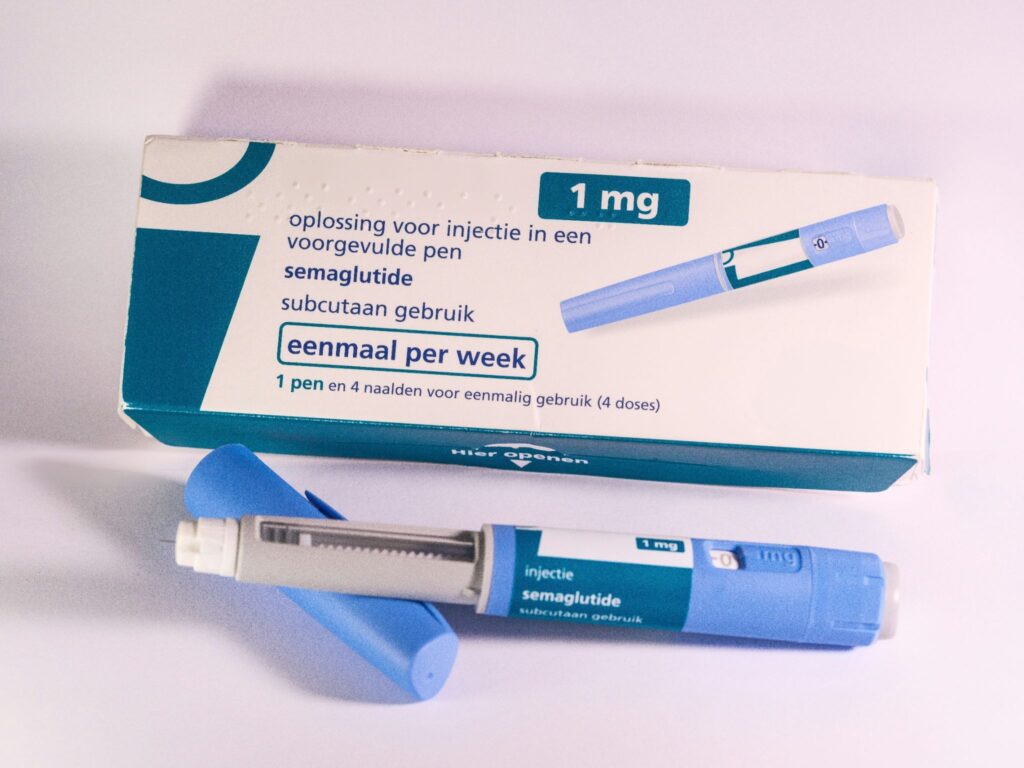
Ozempic became a household name fast. A few years ago it was a diabetes medication most people had never heard of. Today it’s referenced in late-night monologues, dissected in magazine features, and searched millions of times a month by people wondering whether it could work for them. The problem is that for a lot of those people, actually getting Ozempic is harder than the conversation around it suggests. It’s expensive, frequently on shortage, and not always covered by insurance for weight loss. So the question of what to do instead has become just as common as the question of how to get it.
The good news is that the alternatives are genuinely strong. Some are more accessible versions of the same active ingredient. Others are different medications with comparable or in some cases superior clinical results. Here’s a clear breakdown of what’s actually available, what the evidence shows, and how to figure out which option makes the most sense for your situation.
Why People Are Looking for Ozempic Alternatives
It helps to understand why the search for alternatives is happening in the first place, because the reasons vary and the right answer depends on which problem you’re trying to solve.
Cost is the most common driver. Brand-name Ozempic carries a list price around $900 to $1,000 per month without insurance. For people using it off-label for weight loss rather than for its FDA-approved diabetes indication, coverage is inconsistent. A lot of people who want to start simply can’t afford the brand-name version.
Availability is the second driver. Ozempic and its weight-loss counterpart Wegovy have both experienced shortage periods due to surging demand outpacing manufacturing capacity. Patients who were already on treatment have found themselves unable to refill, and new patients have faced long waits.
Side effects are a third reason. Semaglutide, the active ingredient in Ozempic, causes nausea and GI discomfort in a significant portion of patients, particularly early in treatment. Some people tolerate it poorly and are looking for something with a different side effect profile.
And some people simply want to know whether there’s something that works better. That’s a fair question with a more nuanced answer than most coverage provides.
Compounded Semaglutide: The Most Direct Alternative
The closest alternative to brand-name Ozempic is compounded semaglutide. This is a version of the same active ingredient, semaglutide, prepared by licensed compounding pharmacies rather than manufactured by Novo Nordisk. It’s prescribed through telehealth platforms, follows the same dosing protocol as brand-name Ozempic and Wegovy, and typically costs significantly less, often in the $200 to $400 per month range depending on the provider and dose.
The key distinction is that compounded semaglutide is not FDA-approved as a finished drug product the way Ozempic is, but it is legal when prescribed by a licensed provider and prepared by an FDA-registered compounding pharmacy. For patients who are good candidates for semaglutide but can’t access or afford the brand-name version, it’s the most straightforward path.
Telehealth platforms have made this particularly accessible. Providers like TrimRx combine licensed clinical oversight, pharmacy partnerships, and home delivery into a process that most patients can complete entirely online. You complete a health intake, a provider reviews your profile, and if you’re a candidate, medication ships directly to your door. No waiting room, no insurance battles, no referral required.
Tirzepatide: The Stronger Option for Many Patients
If compounded semaglutide is the closest alternative to Ozempic, tirzepatide is the one that in many cases outperforms it. Tirzepatide is the active ingredient in Mounjaro and Zepbound, and it works differently from semaglutide in a way that matters clinically.
Semaglutide activates GLP-1 receptors. Tirzepatide activates both GLP-1 and GIP receptors simultaneously. That dual mechanism produces stronger appetite suppression, greater visceral fat reduction, and larger average weight loss in clinical trials.The SURMOUNT-1 trial showed average weight loss of 22.5% of body weight at the highest dose, compared to roughly 15% for semaglutide in comparable clinical research.
For patients who have tried semaglutide and plateaued, or who are starting treatment and want the highest-ceiling option, tirzepatide is worth a direct conversation with a provider. Compounded tirzepatide is also available through telehealth platforms at lower cost than brand-name Mounjaro or Zepbound.
Older GLP-1 Medications
Before semaglutide dominated the conversation, several other GLP-1 receptor agonists were widely used for both diabetes and weight management. Liraglutide, sold as Victoza for diabetes and Saxenda for weight loss, was the most prominent. It works through the same general mechanism as semaglutide but requires daily injections rather than weekly and produces more modest weight loss on average, typically in the 5 to 8% range.
Dulaglutide (Trulicity) and exenatide (Byetta, Bydureon) are other GLP-1 options that have been prescribed for years, though neither is approved specifically for weight loss and both are generally considered less effective for that purpose than semaglutide or tirzepatide.
For most patients specifically looking for weight loss treatment, these older medications have largely been superseded by semaglutide and tirzepatide. But they remain options in certain clinical situations, particularly when newer medications aren’t tolerated or available.
Non-GLP-1 Prescription Options
Not everyone is a candidate for GLP-1 medications, and some patients prefer to explore other prescription options first. A few alternatives worth knowing:
Phentermine is one of the oldest FDA-approved weight loss medications and is still widely prescribed for short-term use. It works as an appetite suppressant through a different mechanism than GLP-1 drugs and is significantly cheaper, but it’s approved only for short-term use and carries cardiovascular considerations that make it unsuitable for some patients.
Naltrexone/bupropion (Contrave) combines two existing medications into a weight loss treatment that works on appetite and cravings through brain reward pathways. It produces more modest weight loss than GLP-1 medications on average but is an option for patients who can’t tolerate injectables.
Orlistat (Alli, Xenical) works by blocking fat absorption in the gut rather than suppressing appetite. It’s available over the counter at lower doses and has a long safety record, but the GI side effects are significant and weight loss results are modest compared to GLP-1 options.
Lifestyle Interventions Alone: What the Data Actually Shows
It’s worth being direct about this: for patients who meet clinical criteria for GLP-1 treatment, lifestyle intervention alone typically produces substantially less weight loss than medication-assisted treatment. Meta-analyses of intensive behavioral interventions show average losses of 3 to 5% of body weight sustained over time, compared to 10 to 22% with GLP-1 medications.
That doesn’t mean diet and exercise don’t matter. They do, and they compound the results of medication significantly. But for people with obesity or weight-related health conditions, framing lifestyle changes as a sufficient alternative to medication isn’t supported by the evidence. The two work better together than either does alone.
How to Choose
The right alternative depends on why you’re looking in the first place. If cost is the barrier, compounded semaglutide or tirzepatide through a telehealth platform is the most direct answer. If you’ve tried semaglutide and want better results, tirzepatide is worth exploring. If you can’t tolerate injectables, oral options like Rybelsus (oral semaglutide) or Contrave exist. And if you’re not yet sure whether you’re a candidate for any of these, a telehealth intake assessment is a low-friction way to find out.
The options are genuinely better than they were even three years ago. The conversation has moved well beyond Ozempic.
Frequently Asked Questions
Is compounded semaglutide as effective as Ozempic? Compounded semaglutide contains the same active ingredient as Ozempic and follows the same dosing protocol. Clinical effectiveness should be comparable when prescribed and used correctly. The key is ensuring your medication comes from an FDA-registered compounding pharmacy through a licensed provider.
Is tirzepatide better than semaglutide for weight loss? Clinical trial data shows tirzepatide produces larger average weight loss than semaglutide, roughly 15 to 22% of body weight versus 10 to 15%. Whether it’s “better” for a specific patient depends on their health profile, how they tolerate each medication, and their individual goals.
Can I get a GLP-1 prescription online without seeing a doctor in person? Yes, through telehealth platforms that conduct a medical intake review. A licensed provider must evaluate your health profile before issuing a prescription. Platforms that skip this step are not operating within standard medical practice.
How much does compounded semaglutide cost compared to Ozempic? Brand-name Ozempic typically runs $900 to $1,000 per month without insurance. Compounded semaglutide through telehealth platforms generally ranges from $200 to $400 per month depending on dose and provider.
Are there Ozempic alternatives available without a prescription? No prescription-strength alternatives are available over the counter. Some supplements market themselves as GLP-1 alternatives, but none have clinical evidence supporting meaningful weight loss. For effective treatment, a prescription from a licensed provider is required.