
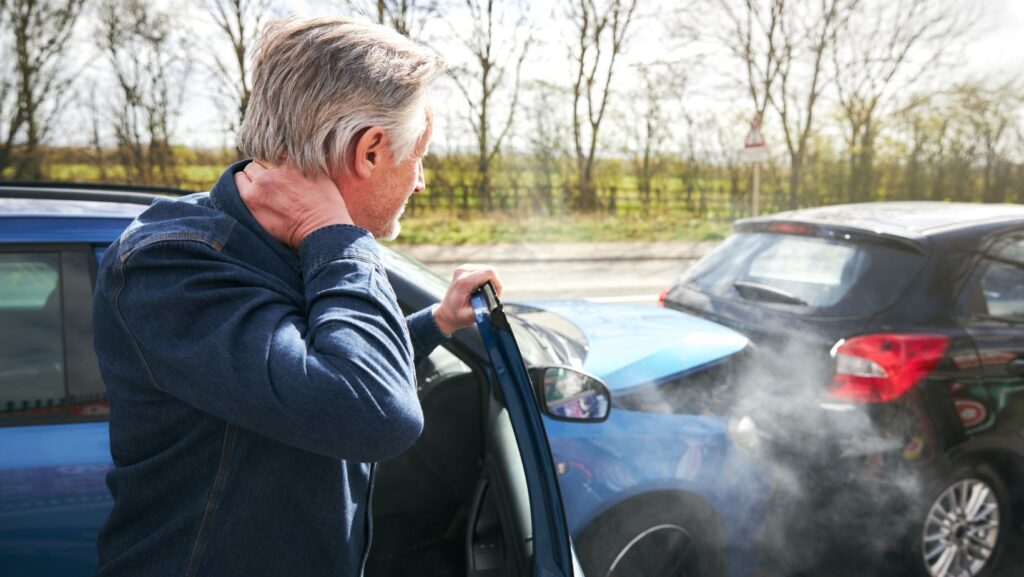
There are single-car crashes. And then there are Chicago multi-vehicle pileups, where everyone is pointing, everyone has a different story, and the police report ends up feeling like it was written in a hurry. Because it was.
These cases can feel unfair because responsibility gets diluted. One driver started the chain reaction, but three other drivers may have contributed. The end result is a stack of claims, a tangle of adjusters, and a lot of “we’re still investigating.”
So what helps in a multi-car case? The boring stuff. The consistent stuff. The stuff people skip because they’re exhausted.
Multi-vehicle liability: the domino problem
In a chain reaction crash, insurers ask questions like:
- Who hit first?
- Who was following too closely?
- Who changed lanes unpredictably?
- Who was speeding for conditions?
- Was anyone distracted?
Sometimes the first impact causes everything. Sometimes later impacts are avoidable. That’s why multiple drivers can share fault.
And because Illinois uses modified comparative negligence, fault percentages matter. A lot. Even a small shift in blame can change how much compensation is available.
The second section that matters: early coordination and claim positioning
If a crash involves multiple vehicles, injuries, or disputed fault, working with Chicago auto accident lawyers can help keep the case from turning into a slow-motion mess. Not because it’s about escalating conflict, but because multi-party claims tend to generate paperwork problems: missing records, unclear timelines, and adjusters who quietly prioritize their own insured’s narrative.

This is also where injury recovery information becomes part of the bigger picture. If you’re dealing with upper body injuries, for example, rehab and functional limitations can shape both the medical plan and the claim value. This overview of upper body rehabilitation is a solid, practical reference for understanding what recovery can involve: https://timeshealthmag.com/your-complete-guide-to-upper-body-rehabilitation/
Evidence is harder to gather after the fact, especially in Chicago traffic
In a busy city, scenes clear quickly. Cars get towed. Witnesses leave. Video gets overwritten.
Strong evidence can include:
- Photos showing vehicle positions before they move
- Dashcam footage
- Traffic camera footage if available
- Witness statements with contact info
- A detailed personal account written down within 24 hours
People often assume the police report will capture everything. It won’t. Officers do their best, but they’re not building your claim file. They’re managing a scene.
Injuries in multi-vehicle crashes: why they can be worse than they look
Multi-car crashes can involve multiple impacts. The body gets jolted, then jolted again. Even if each impact is “not that hard,” the combined effect can be significant.
Common multi-impact issues:
- Cervical strain and headaches
- Low back injuries from bracing
- Shoulder and wrist injuries from gripping the wheel
- Concussion symptoms from rapid head movement
- Anxiety and sleep disruption
And here’s the tricky part: when symptoms are delayed, people question themselves. They wonder if they’re imagining it. They aren’t. Delayed onset is common.
The insurance shuffle: multiple adjusters, multiple priorities
In a single-car claim, you might deal with one adjuster on each side. In a multi-car crash, there could be several. Each one is focused on limiting their company’s exposure.
You might hear:
- “We’re waiting on the other insurer.”
- “We’re still determining liability.”
- “We need another statement.”
It can feel like a stall, because sometimes it is.
The best antidote is organization:
- Keep every claim number and contact name
- Keep a timeline of every call and email
- Save all medical records and bills
- Do not give inconsistent versions of events across conversations
Consistency matters. A lot.
A realistic approach to recovery while the claim is pending
A claim can take time. Recovery should not pause just because paperwork is slow.
Helpful approach:
- Follow the treatment plan
- Ask providers to document objective findings and functional limits
- Track missed work and reduced work capacity
- Keep notes on daily life impact, especially sleep and mobility
Also, if new symptoms appear, report them. New doesn’t mean unrelated. It often means the body finally calmed down enough to notice.
The settlement timeline: why patience can be practical
A multi-party claim often can’t settle cleanly until:
- Liability is clarified across parties
- Medical treatment stabilizes
- Future care needs are understood
Settling too early can create a gap between what you accepted and what you later need.
And nobody likes that gap. Not even a little.
Final thought
Multi-vehicle crashes in Chicago are messy because the city is messy. Tight roads, fast decisions, distracted drivers, weather swings, construction everywhere.
The best thing you can do is treat your case like a story that needs to be proven. Build it carefully. Keep it consistent. Document everything.
Not dramatic. Just smart.