
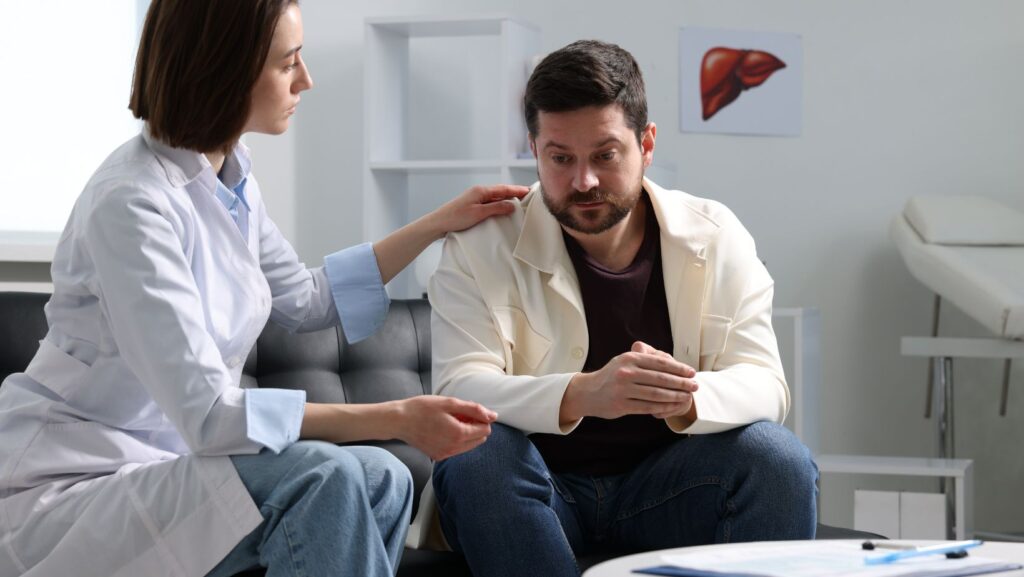
Understanding the Link Between Trauma and Addiction
For many individuals, addiction doesn’t begin with the substance itself—it begins with pain. Trauma, whether from childhood experiences, violence, loss, unstable relationships, or chronic stress, often shapes how people cope with overwhelming emotions. When someone doesn’t have tools to manage trauma, substances can feel like a temporary escape or a way to numb unbearable feelings. Research from the National Institute on Drug Abuse recognizes trauma as a major risk factor for developing substance use disorders. This is why trauma-informed care has become a critical component of high-quality treatment. Programs that recognize the deep connection between trauma and addiction can offer more compassionate, effective, and sustainable healing.
What Is Trauma-Informed Care?
Trauma-informed care is an approach that understands the widespread impact of trauma and integrates this awareness into every part of treatment. It emphasizes safety, empowerment, trust, and collaboration. Rather than asking, “What’s wrong with you?” trauma-informed treatment asks, “What happened to you?” This shift in perspective reduces shame, encourages openness, and helps clients feel seen rather than judged. Trauma-informed care acknowledges that trauma affects the mind, body, emotions, and behaviors—and that healing requires a holistic, sensitive, and individualized approach.
Why Trauma-Informed Care Matters in Addiction Recovery
Trauma Shapes How the Brain Responds
Trauma changes the brain’s stress-response system. It can make individuals more sensitive to fear, anxiety, and emotional overwhelm. Substances may temporarily soothe these effects, creating a powerful but destructive cycle. Trauma-informed programs help clients understand these patterns and develop healthier ways to cope.
Safety Comes First
Many individuals with trauma histories struggle with trust or feel unsafe in unfamiliar environments. Trauma-informed care prioritizes emotional and physical safety from the moment someone enters treatment. This includes predictable routines, respectful communication, clear boundaries, and environments designed to reduce stress and anxiety.
Healing Requires Understanding, Not Judgment
Without trauma-informed care, clients may feel misunderstood, criticized, or blamed for behaviors that stem from traumatic experiences. Trauma-informed treatment creates compassion-focused spaces that acknowledge how trauma influences actions, emotions, and coping strategies.
It Reduces the Risk of Re-Traumatization
Treatment that is not trauma-informed may inadvertently trigger old wounds through harsh confrontation, insensitive communication, or lack of understanding. Trauma-informed programs ensure that therapy, group work, and staff interactions are sensitive, supportive, and empowering.
It Supports Long-Term Recovery
Trauma that goes untreated can fuel relapse. When individuals finally learn to process trauma safely, they build resilience, self-awareness, and emotional tools that support lasting recovery. Addressing trauma isn’t optional—it’s critical for long-term healing.
What Trauma-Informed Care Looks Like in Practice
Therapists Trained in Trauma
Clinicians understand trauma responses, grounding techniques, nervous-system science, and how to guide clients through healing at a safe pace.
Empowerment and Choice
Clients are encouraged to make decisions about their treatment and progress. They are active participants—not passive recipients—in their healing journey.
Respectful and Predictable Environments
Staff communicate clearly, avoid surprises, and help clients feel grounded and stable.
Holistic Modalities
Trauma-informed programs often include mindfulness, grounding exercises, yoga, somatic therapies, or EMDR to support both the mind and body.
Collaboration With Clients
Clients’ experiences, strengths, and values shape their treatment plans, helping them feel more connected and motivated.
How South Florida Rehab Centers Implement Trauma-Informed Care
Many rehab centers recognize the powerful connection between trauma and addiction and have integrated trauma-informed principles into all levels of care.

This includes offering evidence-based trauma therapies, training staff in trauma-sensitive practices, and creating environments where clients feel safe, respected, and understood. Trauma-informed programs in South Florida often combine mental-health support, addiction treatment, physical wellness, and holistic modalities to ensure individuals can heal on every level.
You Deserve Care That Honors Your Story
Trauma-informed care ensures that treatment is not just about stopping substance use—it’s about understanding what drove the addiction in the first place. When treatment acknowledges trauma, clients experience deeper healing, stronger emotional resilience, and a clearer path toward long-term recovery. If you or a loved one is seeking compassionate, trauma-sensitive support, Recovery First’s South Florida rehab centers can provide the safety, understanding, and healing needed to move forward with confidence.