

You’ve booked your first osteo session. Maybe it’s for a sore back, a stiff neck or something that just hasn’t settled with rest. You’re hopeful, but also a bit unsure. Will it hurt? Do you need to wear activewear? Are they going to start cracking joints right away? These are all common questions, and you’re not alone in wondering what to expect.
The good news is that osteopathy is rarely rushed, and most first sessions are more exploratory than anything else. It’s less about jumping straight into treatment and more about understanding what’s going on in your body. That includes how you move, how you breathe, and how different parts of the system are working together — or not.
Early sessions with an osteopath are a chance to learn, not just be treated. You’ll probably leave feeling more informed about your body, even if it takes a session or two before things really start to shift. And that’s often the point. Osteo works best when it meets you where you’re at, not when it forces change too quickly.
Why the First Session Isn’t Just About Pain
Most people come to their first osteo session because something hurts. It could be a shoulder that won’t settle, a lower back that flares up at work, or tension in the neck that won’t shift. And while pain is the reason for the visit, it’s not the full focus of that first appointment.
Your osteopath will want to know what’s going on, of course. But they’ll also look beyond the pain to see how your whole body is moving and adapting. You might be surprised by how much attention goes to areas that don’t hurt at all. That’s because pain is often the last thing to show up in a longer pattern of imbalance.
A good first session often includes questions about sleep, stress, breathing habits and work posture. It’s not about collecting trivia. These things affect how your system holds tension and how well it recovers. The practitioner is trying to map out what your body has been doing to manage the issue, not just treat the sore spot.
What a Hands-On Assessment Really Involves
One of the things that makes osteopathy feel different from the start is the way practitioners use their hands. But this isn’t just about treating sore spots. The hands-on part of the session is also how they assess what’s happening under the surface.
You might be asked to move in certain ways so the practitioner can watch how your spine, ribs or pelvis respond. Then, while you’re lying down or sitting, they’ll use light pressure to feel how your tissues react. This can include joint movement, muscle tone, and how easily different parts of the body shift under gentle guidance.
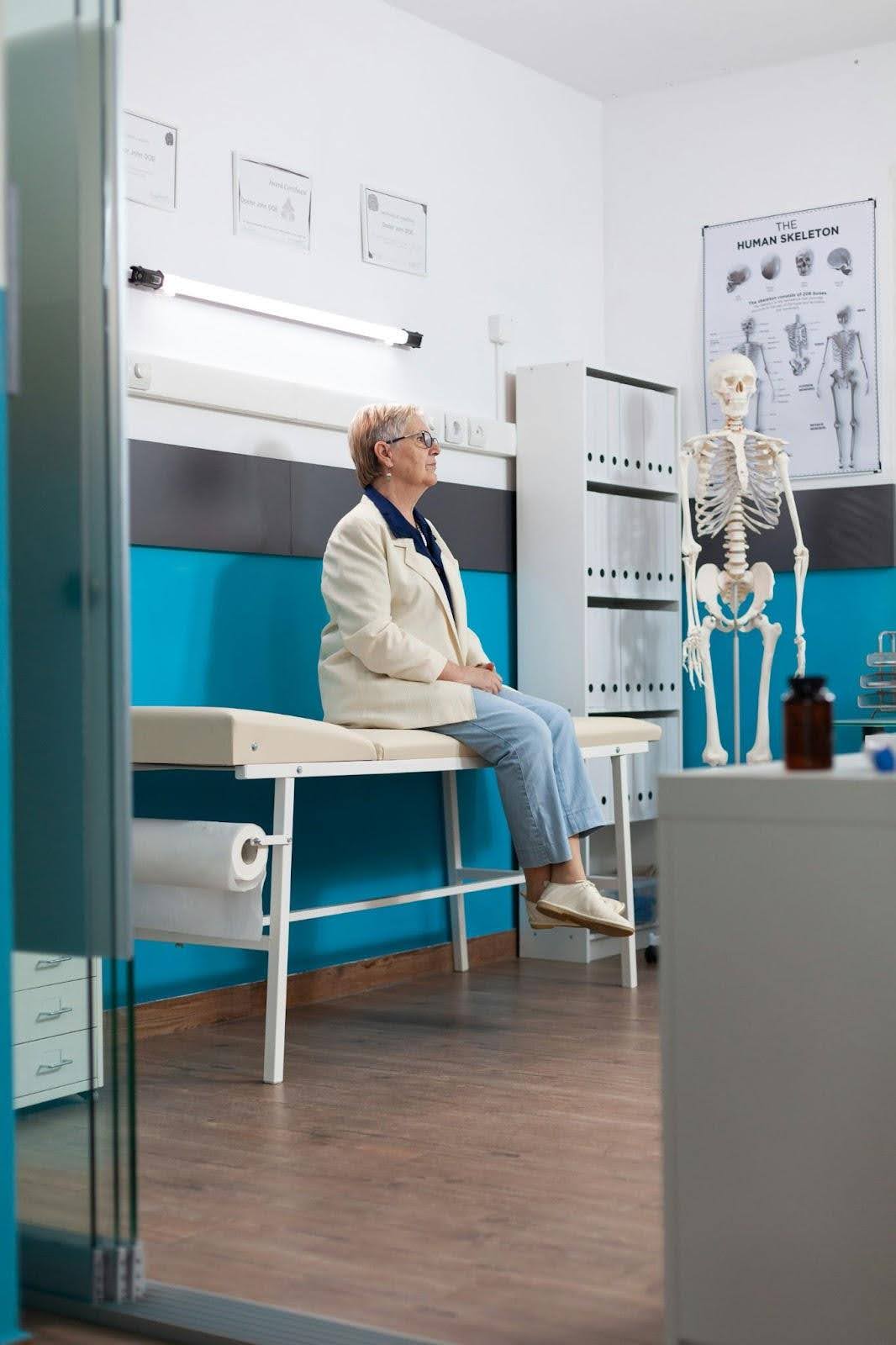
A common surprise for new patients is how subtle the hands-on work can be. It’s not always firm massage or strong joint movement. Sometimes the touch is very light, especially if the nervous system is sensitive. Other times, there might be more active release or articulation, depending on how your body responds.
Importantly, nothing should feel forced. Osteopaths are trained to work within your comfort zone. If something doesn’t feel right, you can always say so. Part of working with osteo practitioners is learning to notice how your body reacts, and to feel safe enough to give feedback during the session.
How Trust and Feedback Shape the Process
It’s easy to assume that your osteopath will just know what to do. And while experience plays a big role, the best outcomes come from shared input. The first few sessions are often where that trust is built. You’re learning how they work, and they’re learning how your body responds.
Osteopathy isn’t a one-way process. Your feedback matters. If something feels too strong or not quite right, saying so helps shape the session. The more open the dialogue, the more precise and helpful the treatment becomes. This is especially true if you’re dealing with chronic tension or a nervous system that tends to stay on edge.
Many people are surprised by how much talking happens during early treatment. It’s not just small talk. Your osteo is listening for changes in how you feel as different techniques are used. They might ask about your sleep, your stress levels, or how your body feels after certain movements. These details help guide the work.
When working with osteos, especially in the early stages, your role as a patient is active. It’s not about being passive at the table. It’s about learning what your body needs and being part of that discovery with someone who knows how to listen and adjust.
When You Start Feeling a Difference
One of the most common questions new patients ask is, how long before I feel better? The honest answer is that it varies. Some people notice changes after the first session. Others need a few treatments before anything shifts. That doesn’t mean it’s not working. It just means your body is adjusting in its own way.
Early changes are often subtle. You might sleep more deeply, feel looser when you wake up, or notice that everyday movements feel smoother. These small shifts matter. They’re signs that your system is starting to regulate itself again. Pain may not vanish straight away, but the environment around it begins to settle.
It’s also common to feel a little different after treatment, even if you can’t explain exactly how. That might mean a temporary heaviness, lightness, or awareness in areas that usually feel disconnected. Your osteopath will guide you through what’s normal and what to look out for.
The key is not to rush it; it’s a process, not a quick fix. Real recovery happens when the body has enough time and support to change its patterns. The early phase is about starting that shift gently and giving the system a chance to respond.
Building a Plan That Actually Suits Your Life
Once your osteopath has a clearer picture of how your body is moving and responding, the focus shifts to planning. But this isn’t a rigid set of exercises or a fixed schedule. It’s a flexible approach that’s built around your lifestyle, your capacity, and your goals.
Your treatment plan might include a mix of hands-on work, movement suggestions, and small changes to how you breathe, rest or sit at work. These don’t need to be dramatic. Often, the most useful adjustments are the simple ones that fit into your day without much effort. Your osteo should explain why each piece matters, not just tell you what to do.
This phase is also when the education side of osteopathy becomes clearer. You’ll start to understand how your body has been compensating and what it needs to recover well. That knowledge can be just as important as the treatment itself. It helps you recognise early signs of overload before they turn into pain.
Working with an osteopath is most effective when you leave each session with a clearer sense of what your body needs. That includes practical strategies for daily life, not just what happens in the clinic. A good treatment plan helps you recover in real time while also building resilience, so that the same issue doesn’t keep returning. The first few sessions are about creating that foundation, where progress feels steady and sustainable rather than rushed or reactive.