
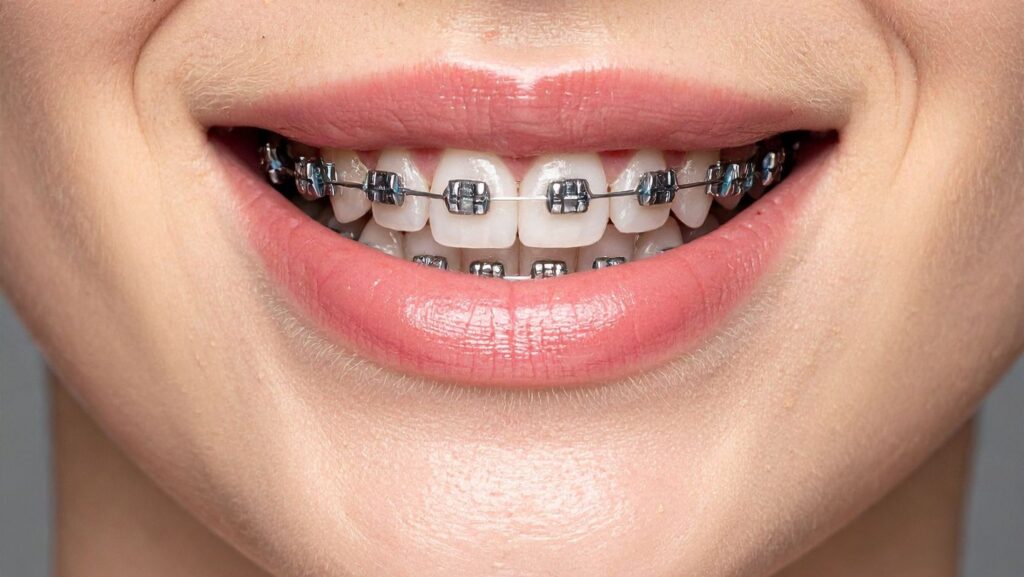
Orthodontic care plays an important role in supporting long-term oral health and balanced dental function. Many individuals in Coral Springs seek treatment for issues that affect chewing, comfort, tooth positioning, and the appearance of their smile. If you are researching local options, you may come across Freeman Orthodontics Coral Springs, a practice that provides various forms of orthodontic evaluation and correction. Understanding the most common orthodontic concerns can help you identify whether you might benefit from professional guidance. Below are several conditions frequently addressed by orthodontic providers in the Coral Springs area.
1. Crowding and Misalignment of Teeth
Crowded teeth are one of the most common reasons patients seek orthodontic treatment. Crowding occurs when there is not enough space in the jaw for all teeth to sit comfortably and in proper alignment. As a result, teeth may overlap, rotate, or become positioned at angles that make them harder to clean.
Many orthodontic practices in Coral Springs use digital imaging to determine the severity of the crowding and to create a customized treatment plan. Solutions may include clear aligners, traditional braces, or other alignment systems depending on the complexity of the case.
Crowded teeth can increase the risk of plaque buildup and long-term gum concerns, so identifying this issue early is beneficial.
2. Spacing and Gaps Between Teeth
Spacing is the opposite of crowding and occurs when noticeable gaps appear between teeth. While some spacing issues are purely cosmetic, others can affect the way the bite functions. Gaps may develop due to natural tooth size differences, missing teeth, or habits such as thumb sucking during childhood.
Orthodontic providers in Coral Springs often address spacing with aligners or braces designed to gradually move the teeth closer together. In some cases, additional dental treatments may be recommended if spacing is linked to missing or undersized teeth.
Properly addressing spacing concerns helps improve both function and overall dental alignment.
3. Overbite and Deep Bite Concerns
An overbite occurs when the upper front teeth extend significantly over the lower front teeth. A deeper overbite, often called a “deep bite,” can result in excessive wear on lower teeth, gum irritation, and jaw discomfort.
In Coral Springs, orthodontic specialists evaluate overbite severity using bite analysis and imaging tools. Treatment may include clear aligners, braces, or appliances that guide the jaw and teeth into more balanced positions. Correcting an overbite often helps reduce strain on the jaw joint and can improve long-term bite stability.
4. Underbite and Class III Bite Issues
An underbite occurs when the lower teeth and jaw extend beyond the upper teeth. This can affect chewing efficiency, speech, and facial balance. Underbites may stem from jaw growth patterns or tooth positioning.
Orthodontic practices in Coral Springs approach underbite correction through a combination of tooth movement and, in some cases, jaw-guided appliances. For moderate cases, clear aligners are sometimes effective. More complex structural underbites may require longer-term orthodontic guidance.
Identifying an underbite early helps prevent complications that could arise from uneven pressure on teeth or jaw joints.
5. Crossbite and Misaligned Bite Patterns
A crossbite occurs when some upper teeth sit inside the lower teeth when biting down, rather than outside. This misalignment may affect the front teeth, back teeth, or both. Crossbites can lead to uneven wear, gum recession, and discomfort in the jaw joint.
In Coral Springs, orthodontic treatment for a crossbite often involves aligners, braces, or expanders depending on the patient’s age and the complexity of the condition. Effective early treatment helps prevent long-term structural changes to the jaw and reduces strain on the chewing system.
6. Open Bite and Difficulty With Proper Chewing
An open bite is a condition in which the upper and lower teeth do not meet when the mouth is closed. This can occur in the front teeth or back teeth. Patients with open bites may have difficulty biting into foods, and speech challenges can sometimes result from improper tooth contact.
Orthodontic evaluation helps determine whether the open bite is caused by tongue positioning, skeletal patterns, or tooth placement. Aligner-based systems and braces are common treatment options, though more complex cases may require additional orthodontic appliances.
Addressing an open bite supports better chewing function and improves long-term alignment stability.
7. Early Orthodontic Concerns in Children
Many orthodontic providers in Coral Springs also treat younger patients who show early signs of developing bite or alignment problems. Issues such as early tooth loss, narrow dental arches, or emerging jaw imbalance can be evaluated in childhood. While not all children need early treatment, monitoring growth allows orthodontists to guide development when necessary.
Common early interventions may include expanders, partial braces, or observation until growth patterns become clearer. Early evaluation helps reduce the likelihood of more complicated concerns later in life.
Conclusion
Orthodontic concerns treated in Coral Springs often include crowding, spacing, various bite irregularities, and alignment challenges that affect both function and long-term oral health. Crowded and spaced teeth can interfere with hygiene and stability, while overbites, underbites, crossbites, and open bites influence how the teeth and jaws function together. Early intervention for children may also help prevent developing issues from becoming more severe.