

Varicose veins are more than just a cosmetic concern—they can indicate underlying health issues and significantly impact quality of life. Understanding the causes, risk factors, symptoms, and available treatments is essential for effective management and prevention. For individuals with advanced vein disease, options such as vein surgery in Austin may be recommended to relieve symptoms and restore healthy circulation. This comprehensive guide explores everything you need to know about varicose veins, including treatment approaches and prevention strategies, to help you make informed decisions about your vein health.
Understanding Varicose Veins
Varicose veins are enlarged, twisted veins that often appear blue or purple. They usually occur in the legs, manifesting as bulging vessels that can be both painful and unsightly. Understanding why these veins develop is the first step in addressing the issue.
Causes of Varicose Veins
The primary cause of varicose veins is related to the valves within the veins. When these valves weaken or become damaged, they fail to prevent blood from flowing backward, leading to increased pressure in the veins. Other causes include genetics, pregnancy, hormonal changes, and prolonged periods of standing or sitting.
Risk Factors and Symptoms
Certain individuals are at greater risk of developing varicose veins. These include those with a family history of the condition, pregnant women due to increased blood volume and hormonal factors, older adults, and individuals who are overweight or sedentary. Major symptoms often include a feeling of heaviness or aching in the legs, throbbing or cramping, and visible swollen veins. In severe cases, complications such as skin ulcers or blood clots may occur.
Treatment Options for Varicose Veins
Addressing varicose veins can involve a range of treatment options from simple lifestyle changes to more advanced medical interventions. Here’s a closer look at what’s available.
Lifestyle Changes and Home Remedies
For mild cases, implementing lifestyle changes can significantly reduce symptoms. Maintaining a healthy weight, engaging in regular physical activity, and elevating the legs can promote healthy blood flow. Also, applying natural remedies such as apple cider vinegar and horse chestnut extract has shown promise in alleviating discomfort.
Medical Treatments
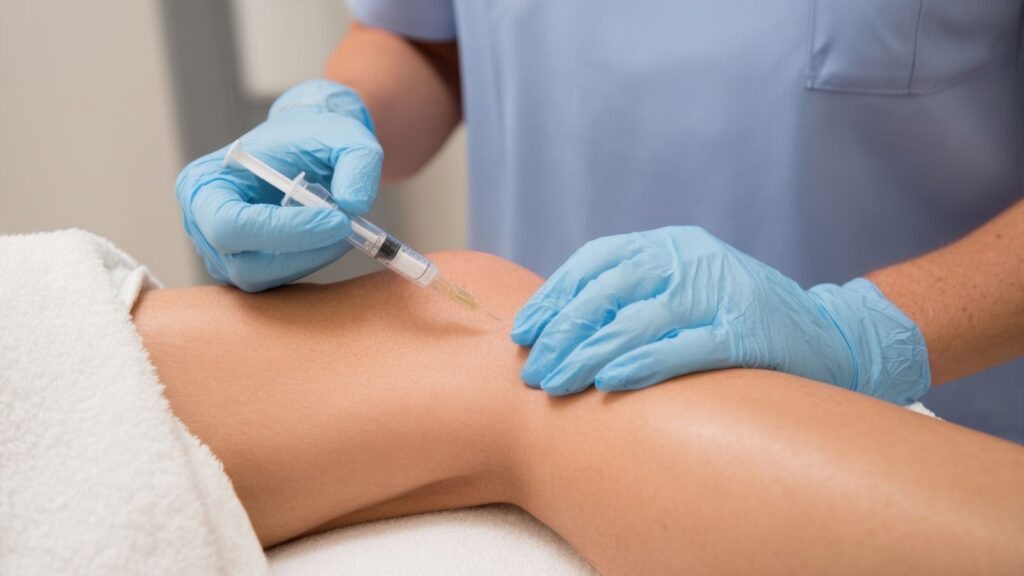
When lifestyle changes are insufficient, medical treatments can offer effective solutions. Sclerotherapy involves injecting a solution into the affected veins, causing them to collapse and fade away. Other treatments include laser therapy, which focuses on damaging the vein so it can be reabsorbed by the body, and endovenous laser therapy, which uses heat to close off the vein. These options are often performed in an outpatient setting with minimal recovery time.
Prevention Strategies
Once treatment has occurred or if the individual aims to avoid varicose veins altogether, several prevention strategies can be beneficial.
Diet and Exercise Recommendations
A well-balanced diet rich in fiber helps maintain a healthy weight, reducing pressure on the veins. Foods high in antioxidants, such as berries, leafy greens, and citrus fruits, can improve circulation. Regular exercise, particularly activities that engage the legs like walking, cycling, and swimming, can enhance blood flow and prevent vein-related issues.
Wearing Compression Stockings
For those at risk or already exhibiting symptoms of varicose veins, wearing compression stockings can be greatly beneficial. These specially designed stockings apply pressure to the legs, encouraging blood flow and reducing swelling. They can often be purchased over-the-counter or can be prescribed to ensure the appropriate fit and strength.
When to Seek Medical Advice
It’s crucial to know when to consult a healthcare professional about varicose veins. If symptoms escalate, such as increasing pain, noticeable changes in the appearance of veins, swelling, or signs of a potential ulcer, it’s vital to seek medical advice. Early intervention can not only provide symptomatic relief but also prevent future complications.
Conclusion
Varicose veins are a common yet often misunderstood condition. Knowing the causes, recognizing symptoms, and understanding treatment options can empower individuals to take control of their vascular health. By adopting preventive measures and seeking timely medical intervention, one can significantly reduce the impact of varicose veins on their life. Prioritizing healthy lifestyle choices will further enhance overall well-being and potentially decrease the chances of developing this condition.