

Direct mail advertising is often misunderstood as an outdated or expensive channel. In reality, it has evolved significantly and now plays a strategic role in modern marketing mixes, especially as digital channels become more saturated and costly. Brands across industries are rediscovering the value of physical mail for driving attention, trust, and measurable engagement.
When marketers evaluate direct mail advertising costs, they are no longer just comparing print prices. They are weighing production, targeting, automation, and attribution against performance. Platforms such as Postalytics have helped modernise how businesses plan and manage direct mail spend, making cost control and measurement far more transparent than in the past.
This article breaks down what goes into direct mail advertising costs today, what factors influence pricing, and how businesses can approach budgeting more strategically.
What Makes Up Direct Mail Advertising Costs?
Direct mail costs are made up of several components, each of which can vary depending on scale, quality, and complexity.
The main cost categories include:
- Creative and design
- Printing and materials
- Personalisation and data handling
- Postage and delivery
- Technology and campaign management
Understanding these elements individually helps marketers identify where efficiencies can be gained without sacrificing impact.
1. Design and Creative Costs
Design is the first cost consideration, and often one of the most important. Well-designed mail is far more likely to be opened, read, and acted upon.
Costs here depend on:
- Whether designs are created in-house or outsourced
- Complexity of layouts and formats
- Number of variations needed for personalisation
- Brand and compliance requirements
Reusable templates and modular designs can significantly reduce creative costs over time while maintaining quality.
2. Printing and Material Choices
Printing costs vary widely based on format and materials. A simple postcard will cost less than a multi-page brochure or premium dimensional mail.
Key factors affecting print costs include:
- Paper quality and finish
- Colour versus black-and-white printing
- Print volume and economies of scale
- Special finishes such as coatings or embossing
Larger print runs typically reduce cost per piece, but modern campaigns often favour smaller, targeted volumes to improve efficiency.
3. Personalisation and Variable Data Printing
Personalisation has become a standard expectation in direct mail. Variable data printing allows each piece to be customised with names, messaging, images, or offers.
While personalisation adds some cost, it often improves response rates enough to justify the investment. Costs are influenced by:
- Complexity of data fields
- Number of personalised elements
- Data preparation and validation requirements
Targeted personalisation can reduce waste by ensuring mail reaches only the most relevant audiences.
4. Postage and Delivery Expenses
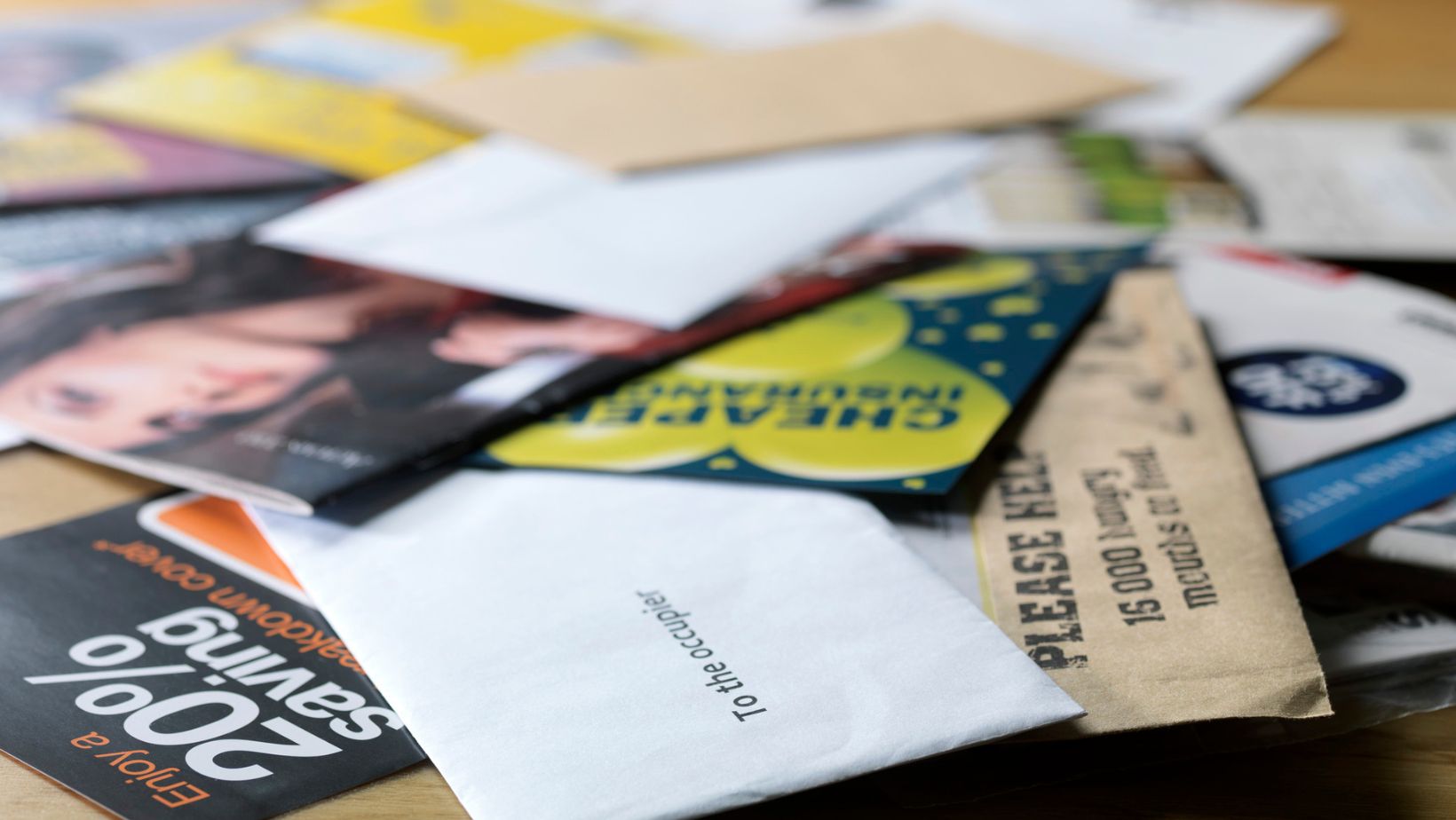
Postage is often the highest single cost in direct mail advertising. Rates vary by country, format, size, and delivery speed.
Common factors include:
- Weight and dimensions of the mail piece
- Domestic versus international delivery
- Presorted or bulk mailing discounts
- Tracking and delivery confirmation options
Careful format selection and mailing strategies can help optimise postage spend without compromising reach.
5. List Quality and Data Management
The quality of your mailing list directly impacts cost efficiency. Sending mail to outdated or poorly targeted lists increases spend without improving results.
Data-related costs may include:
- List acquisition or enrichment
- Data cleaning and validation
- Compliance with privacy regulations
- Ongoing list maintenance
Investing in accurate, well-segmented data often reduces overall campaign costs by improving response rates.
6. Technology and Automation Costs
Modern direct mail campaigns rely on technology to manage workflows, trigger sends, and track performance. These tools add cost but also unlock efficiency and insight.
Technology investment supports:
- Automated campaign execution
- Integration with CRM and marketing platforms
- Real-time tracking and reporting
- Attribution and performance analysis
When evaluated properly, technology costs often reduce manual labour and improve return on investment.
7. Cost Per Response Versus Cost Per Piece
One of the biggest mistakes marketers make is focusing solely on cost per piece rather than cost per response.
A cheaper mail piece that generates no engagement is more expensive than a higher-quality piece that drives conversions. Direct mail should be evaluated based on:
- Response rate
- Conversion rate
- Revenue per campaign
- Lifetime value of acquired customers
Industry benchmarks consistently show that well-targeted direct mail can outperform many digital channels on response and recall.
8. How Direct Mail Compares to Digital Advertising Costs
Digital advertising costs have risen steadily, with increasing competition driving up cost per click and cost per acquisition. Direct mail offers a different cost profile.
While upfront costs are higher, direct mail often delivers:
- Closer attention and recall
- Longer message lifespan
- Less competition in the physical inbox
- Stronger trust and credibility
For many brands, direct mail complements digital efforts by reaching audiences that are harder to engage online.
9. Budgeting Direct Mail Strategically
Effective budgeting starts with clear objectives. Direct mail can support a range of goals, including lead generation, account-based marketing, reactivation, and retention.
Best practices include:
- Starting with small, testable campaigns
- Measuring performance rigorously
- Scaling what works
- Continuously refining targeting and creative
This iterative approach allows teams to optimise spend over time rather than committing large budgets upfront.
The Role of Measurement in Cost Control
One of the most significant changes in direct mail advertising is the ability to measure results accurately. Tracking tools such as personalised URLs, QR codes, and CRM integration provide visibility into performance.
This data enables marketers to:
- Attribute responses to specific campaigns
- Compare direct mail performance with digital channels
- Identify high-performing segments
- Justify budget allocation with confidence
Measurement turns direct mail from a perceived cost centre into a performance-driven channel.
Final Thoughts
Direct mail advertising costs are more nuanced than they appear at first glance. While individual components such as printing and postage can add up, modern targeting, automation, and measurement make direct mail far more efficient than traditional mass campaigns.
For marketers willing to approach it strategically, direct mail offers a powerful way to cut through digital noise, engage audiences meaningfully, and deliver measurable results. Understanding the true drivers of cost is the first step toward unlocking its full potential.