
Introduction
Mimosa Hostilis, also known as Mimosa tenuiflora, is a tree from South and Central America that’s been getting a lot of attention lately. People are interested in it for skincare, natural dyeing, and some cultural practices. This article will teach you about MHRB powder – what it is, how it’s been used in the past, and why people are excited about it today. We’ll look at its history, different uses, and why so many people around the world are curious about it.
Key Things to Know About MHRB Powder
- Check if it’s legal where you live before buying or using it
- Buy from trusted sellers who get it responsibly
- Only use it on your skin; don’t eat or drink it
- Remember, it’s important to many native cultures
- Test a small amount on your skin first to check for allergies
- Know that there haven’t been many big scientific studies on it
- Be careful when mixing it with other plants
What Is MHRB Powder?
Botanical Identity
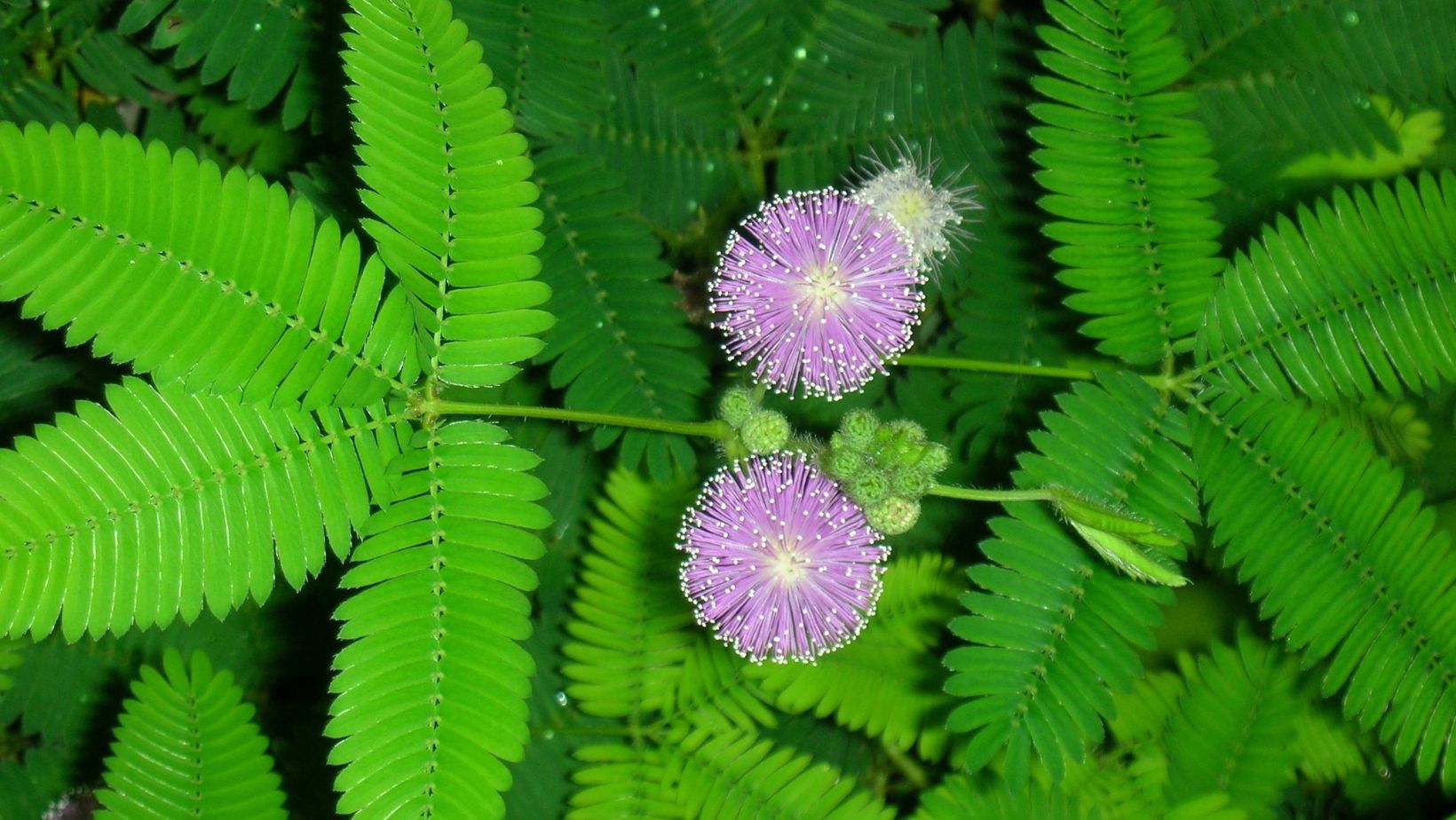
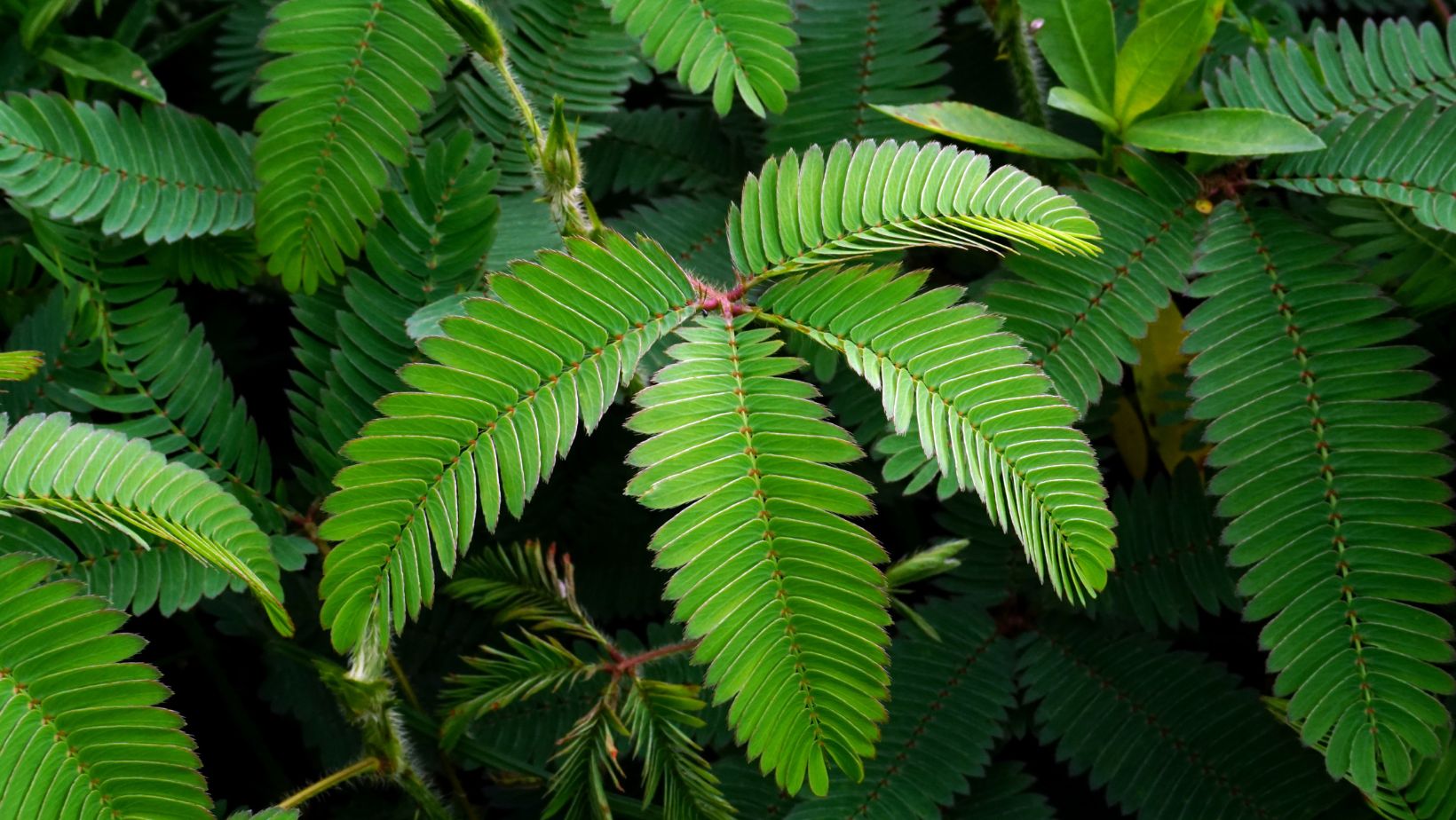
Mimosa tenuiflora is a tough tree that grows in Brazil, Mexico, and parts of Central America. It has feathery leaves and small white flowers. The tree can grow up to 8 meters tall and can live in many different climates. It’s really good at surviving in tough conditions like drought and poor soil. Its deep roots help it stay alive and also keep the soil in place, which is good for the environment.
Common Processing and Forms
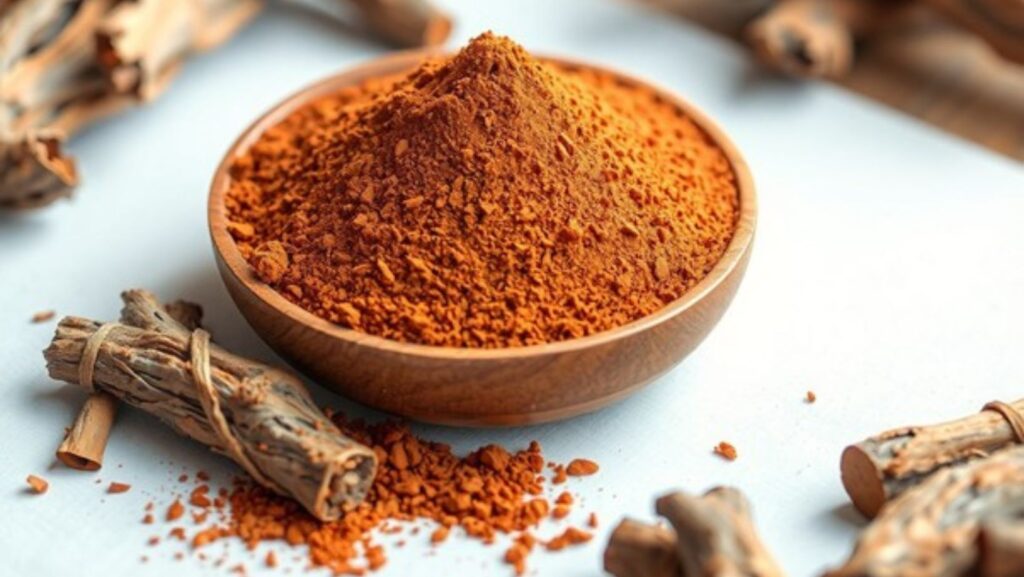
MHRB powder comes from the root bark of the Mimosa hostilis tree. You can find it as big pieces, small shreds, or fine powder. It’s important to get it from places that don’t harm the environment. If you store it in a cool, dry place, it can last a long time. To make the powder, people carefully dry and grind the root bark to keep all its natural goodness. This careful process helps keep the powder strong and effective for different uses.
If you’re interested in plants and their uses, MHRB powder from good sources can teach you about old practices for healing and making things. Scientists are studying it more and finding out it has lots of interesting chemicals that give it special properties.
Traditional Uses in Indigenous Cultures
Medicinal Applications
Native people have used Mimosa hostilis for a long time to help heal wounds and make skin better. Old Brazilian plant books talk about how it can fight germs and help skin heal. Different groups in Central and South America have used MHRB in their medicine for hundreds of years. It’s good at helping with skin problems, burns, and small cuts because it can dry things out and fight germs. Some groups have special ways of making it into pastes or oils to make it work even better.
Spiritual and Ceremonial Use
In Brazil, MHRB is very important in some native ceremonies. We should be respectful when talking about this because it’s a big part of their culture. For some groups, MHRB is a sacred plant that helps them connect with spirits or change themselves. Only people who have trained for many years are allowed to use it in these special ways. They have strict rules about how to use it properly.
Natural Dyeing Techniques
People use MHRB powder to dye cloth, making deep purple and red colors. This is a natural way to color things without using chemicals, which is good for the environment. Dyeing with MHRB is tricky, and people learn how to do it from their families.
They use special methods to make the color stick to the cloth and last a long time. By changing things like how acidic the dye is or how long they leave the cloth in it, they can make many different shades. This makes MHRB really useful for making traditional and modern clothes and crafts.
The Modern Interest in MHRB Powder
Botanical Curiosity and DIY Culture
More and more people are using MHRB powder to make their own soaps, creams, and skincare products at home. They’re interested in it because it has lots of tannins, which might be good for the skin. There are many websites, videos, and online groups where people share how they use MHRB powder. This has made more people want to try it and has started big discussions about using traditional plant knowledge in modern ways to stay healthy.
The Rise of Herbalism and Holistic Wellness
People are getting more interested in using herbs and plants for health, and that’s why MHRB powder is becoming popular. Many are trying it in creams and lotions because of how it was used in the past and because people say it works well. This is part of a bigger change where people are looking at old plant knowledge and mixing it with new health ideas. Some health experts who work with plants are starting to use MHRB, often mixing it with other plants to make special blends for skin health and overall wellness.
Online Discussions and Research Communities
There are lots of online forums and groups where people talk about MHRB powder. While there isn’t much official scientific research, these places let people share what they know and what they’ve experienced. This has made more people interested in learning about this traditional plant. These online communities are really important for sharing information about how to grow MHRB and new ways to use it. But it’s important to be careful about what you read online because not everything might be scientifically proven. The mix of old knowledge and new ways of talking about it has created a special way for people to learn about MHRB, showing we need balanced discussions that respect both science and traditional wisdom.
Considerations for Ethical Sourcing and Use
Environmental Impact
As MHRB powder becomes more popular, there’s worry about too many trees being cut down. It’s really important to buy from sellers who take care of the environment and plant new trees. Good ways of harvesting only take some bark instead of cutting down whole trees, which lets the plants grow back and keep helping the environment. Some smart sellers are planting new Mimosa hostilis trees to replace the ones they use and to help local plants and animals. People who buy MHRB can help by checking how sellers get their powder and supporting ones that care about the environment.
Cultural Respect
When using MHRB powder, it’s important to remember it’s very special to some cultures. We shouldn’t copy their sacred or ceremonial uses, and it’s good to buy from native growers when we can. This means learning about how MHRB was traditionally used and respecting the deep cultural knowledge behind it. Some groups are working to make fair deals with native communities so that when MHRB is sold, it helps the people who have always taken care of it. By choosing products that honor these cultural connections, we can help keep native knowledge and ways of life alive.
Legal and Safety Information
Different countries have different rules about MHRB powder. It’s really important to check what’s allowed where you live before you buy or use it. Remember, it’s not approved by the FDA for eating, so you should only use it on your skin and follow safety rules. The laws about MHRB are complicated because it has different chemicals in it, and some of these might be controlled in some places. While using it for crafts or skincare might be okay, other uses could be against the law. If you’re not sure, it’s always best to ask a lawyer or someone who knows about the rules in your area.
Applications in Craft and Skincare
Natural Soap and Salve Production
People who like making things at home are using MHRB powder in soaps and skin creams. They think it might help tone skin and keep products fresh naturally. The tannins in MHRB powder might make skin feel firmer, and it can help products last longer without going bad. People who make special soaps often mix MHRB with things like shea butter or essential oils to make unique products for different skin types. When using MHRB in these products, it’s important to be careful about how acidic or basic the mix is and how it might react with other ingredients to make sure it’s safe and works well.
Fabric and Leather Dyeing
People are still using MHRB powder to dye fabric and leather, just like they did in the past. It can make colors that last a long time and change with how acidic or basic they are, which is exciting for artists and craftspeople. Dyeing with MHRB is like an art – it takes skill to get the colors right every time. By using different helpers called mordants, you can make colors from deep purple to warm brown. Some artists have found new ways to mix MHRB with other natural dyes to make complex, multi-colored effects. More people are interested in natural dyes now, so there are classes and workshops where you can learn how to dye with MHRB, which is helping bring back old craft knowledge.
Botanical Blending
More people are trying to mix MHRB powder with other plants like calendula or turmeric. But it’s really important to be careful when doing this. Always test a small amount on your skin first and research how different plants might interact. Mixing MHRB with other plants might make it work better or create new effects. For example, mixing it with plants that reduce swelling might make a stronger cream for soothing skin. People who work with herbs and natural products do a lot of research and testing to make safe and effective mixes. This shows how important it is to understand the chemistry of different plants and how they work together, even when using traditional herbal practices.
What Science Says (and Doesn’t Yet Say)
Research on Wound Healing
Some scientific studies in Brazil have shown good results about how MHRB might help skin heal. But most of these studies are about using it on the skin, not taking it inside the body. They need to do more research to know for sure.
These studies have found special things in MHRB, like tannins and saponins, that might help wounds heal. Some research looks at how MHRB might help the body make more collagen and help skin cells grow better. While this is exciting, most of these studies were done in test tubes or on small animals. We need bigger studies with people to really know if it works and how to use it safely on the skin.
Gaps in Western Clinical Literature
There haven’t been many big scientific studies on MHRB powder, and it’s not officially approved for medical use. This means a lot of what we know comes from how it was used in the past and what people say about their own experiences. We need more thorough scientific research to really understand what it can do. It’s hard to do this research because it costs a lot of money, there are strict rules, and it’s complicated to study natural products that have many active ingredients. Some researchers think we should study MHRB in a way that includes both scientific methods and traditional knowledge about how it was used. This could help us understand it better and make sure the research respects the cultures it comes from.
Conclusion
MHRB powder, which comes from the Mimosa hostilis tree, is really interesting because it connects old traditions with new curiosity. It has been important to native people for a long time, and now more people are getting interested in it for natural health. As more people learn about MHRB powder, it’s really important to use it respectfully and responsibly and to get it from places that care about the environment. MHRB is special because it has both historical importance and modern uses, which shows we need to balance respecting tradition with doing scientific research.
While MHRB powder is interesting and has been used for a long time, it’s important to remember to be careful when using it. We should do our research, respect the cultures it comes from, and follow the laws and safety rules. By being curious but careful and respecting where MHRB comes from, we can explore what it can do while honoring its rich history. This balanced approach helps us appreciate old plant knowledge while also recognizing we need good scientific studies and to use it responsibly today.
As we keep learning about MHRB powder, let’s try to connect old wisdom with new understanding. We should always focus on using it in ways that don’t harm the environment and respect its cultural importance. The ongoing conversations between people who have traditional knowledge, scientists, and careful consumers will be really important in figuring out how to use MHRB in the future. By working together like this, we hope to discover all the good things MHRB powder can do in ways that help both people and the environment it comes from, making sure this ancient plant continues to be useful and teach us things for many years to come.