
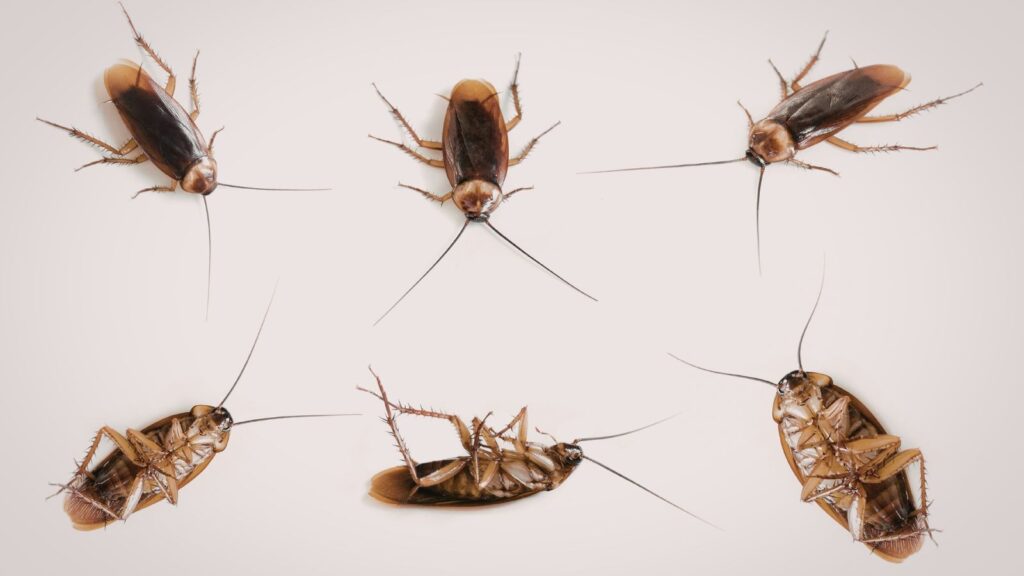
Cockroaches and rodents are often treated as a nuisance problem, but their presence inside a home creates far more serious health concerns than most people realize. From contaminated surfaces to polluted indoor air, even small infestations can quietly affect daily life and long-term wellness. Understanding these risks, and how proper mouse control and pest management reduce exposure, is the first step toward protecting your home and the people living in it.
Cockroach Infestation Health Risks in the Home
Cockroaches and rodents don’t just exist around your home, they actively contaminate it. As they move through kitchens, walls, and storage areas, they leave behind bacteria, parasites, droppings, urine, shed skin, and saliva. These contaminants don’t stay in obvious places; they settle into air ducts, behind appliances, inside walls, and on surfaces you touch every day.
What makes cockroach infestation health risks more dangerous than many homeowners realize is that you don’t need to see the pests to be affected by them, a reality also seen with issues typically handled by a bed bug exterminator. Even a small, hidden infestation can quietly impact indoor air quality, food safety, and overall health long before obvious signs appear, because pests don’t just “show up,” they change the biology of the home.
Once cockroaches or rodents move in, they turn clean living spaces into contamination zones that don’t fully reset on their own. Even after pests retreat into walls or ceilings, the biological residue they leave behind continues circulating through air, dust, and surfaces. The cockroach health risks don’t end when the pest disappears from sight, they linger.
That’s the part most homeowners miss.
Common Cockroach Health Concerns in Residential Spaces
Cockroaches are known carriers of harmful bacteria such as Salmonella, E. coli, and Staphylococcus, which can contaminate food preparation surfaces and stored food. These cockroach health concerns increase the risk of food poisoning, gastrointestinal infections, and persistent stomach issues.
Beyond bacteria, cockroaches produce powerful allergens found in their droppings, saliva, and shed body parts. These allergens become airborne and can linger in dust for months, even after the roaches are gone, making cockroach infestation health risks a serious indoor health hazard, not just a cleanliness issue.
The biggest risk isn’t infection, it’s chronic exposure.
Cockroach debris breaks down into microscopic particles that bond to household dust. These particles are easily inhaled and repeatedly reintroduced into the body, which is why people in homes affected by cockroach health risks often experience symptoms that never fully go away, even when the house “looks clean.” This is why cockroach issues are often mistaken for seasonal allergies or recurring colds.
Cockroach Health Risks for Children, Seniors, and Allergy Sufferers
Cockroach allergens are a well-documented trigger for asthma attacks, especially in children. Studies show that children exposed to cockroach allergens indoors are more likely to develop asthma and experience more severe symptoms, one of the most serious cockroach health risks in residential environments.
For seniors and individuals with compromised immune systems, these cockroach health concerns increase the risk of respiratory infections and prolonged illness. People with allergies may experience chronic coughing, sinus irritation, watery eyes, skin rashes, and breathing difficulties, symptoms that often get misdiagnosed as seasonal allergies instead of indoor pest exposure.
Children and seniors aren’t just more sensitive, they’re more exposed. Kids spend more time on floors and soft surfaces where allergens settle, while seniors often have slower immune responses, meaning inflammation lasts longer and symptoms escalate faster.
For people with asthma, cockroach allergens don’t just trigger attacks, they can increase baseline airway sensitivity, making future flare-ups easier to trigger even after pests are removed. That long-term sensitivity is one of the most overlooked cockroach infestation health risks.
Overlooked Rodent Health Risks for Homeowners
Rodents are linked to a wide range of diseases, including Hantavirus, Leptospirosis, Salmonella, and Lymphocytic choriomeningitis (LCMV). These rodent health risks can be spread through direct contact with droppings or urine, contaminated food, or by inhaling dust particles stirred up from nesting areas.
Rodents also introduce parasites like fleas, ticks, and mites into the home, creating secondary rodent health risks even after the rodents are removed.
Rodents create a health risk by turning hidden spaces into contamination reservoirs. Unlike spills or surface messes, rodent waste accumulates in places homeowners never clean, wall voids, insulation, attics, and crawl spaces. Air movement from HVAC systems, temperature changes, or even walking redistributes these contaminants throughout the home.
This is why rodent health risks often persist without obvious signs of pests.
Hidden Rat Infestation Health Risks Indoors
Rats pose elevated risks due to their size, mobility, and waste output. A single rat can produce dozens of droppings per day, rapidly contaminating insulation, cabinets, and hidden spaces, a key contributor to rat infestation health risks.
They produce significantly more waste than mice and travel greater distances inside the home, spreading contamination across multiple rooms and levels. Their size also allows them to displace insulation and open pathways that increase air movement from contaminated areas into living spaces, amplifying rat infestation health risks indoors.
Rats are also more likely to bite when threatened, especially in confined indoor environments, increasing the risk of infection. Their urine can aerosolize, meaning harmful particles become airborne and inhaled, one of the most dangerous rat infestation health risks in enclosed spaces like basements, crawl spaces, and attics.
This creates a higher risk of inhalation exposure, not just surface contact.
Mice Infestation Health Risks in Walls and Kitchens
Mice often go unnoticed because they can live inside walls, ceilings, and insulation. Their droppings and urine accumulate in places homeowners never clean, allowing bacteria and allergens to spread through airflow, HVAC systems, and dust circulation, common mice infestation health risks.
Over time, this can contribute to persistent respiratory irritation, unexplained allergy symptoms, and ongoing contamination of food storage areas, even if the mice are rarely seen. These lingering effects are typical of untreated mice infestation health risks.
Mice are masters of invisible infestation. Because they can live entirely inside walls and ceilings, their waste builds up undetected and eventually dries, breaks down, and becomes airborne through tiny pressure changes, turning wall cavities into slow-release sources of allergens and bacteria.
This is why homeowners often feel better after professional removal, even before deep cleaning is completed, once the mice infestation health risks are eliminated.
How Cockroaches and Rodents Spread Bacteria and Allergens
Both pests travel through unsanitary environments before entering homes, sewers, garbage areas, and outdoor waste. As they move across counters, dishes, and floors, they transfer bacteria directly onto surfaces, increasing both cockroach health risks and rodent health risks.
They don’t just “carry” bacteria, they redistribute it. Every movement transfers contaminants from unsanitary environments into clean ones, and their biological material doesn’t stay intact; it fragments into microscopic particles that mix with household dust and become airborne.
Once airborne, these particles are easily inhaled and embed into fabrics, carpets, and ventilation systems. At that point, the issue becomes indoor air quality, not just pest presence or surface cleanliness, significantly worsening cockroach infestation health risks and mice infestation health risks.
Long-Term Health Effects of Ignoring Pest Infestations
Ignoring pest infestations can lead to chronic respiratory issues, increased asthma severity, repeated gastrointestinal illness, and prolonged allergic reactions. Children exposed early may develop long-term sensitivity to allergens, while adults may experience worsening immune or respiratory conditions over time due to ongoing rodent health risks and cockroach health risks.
There’s also a compounding effect: the longer an infestation persists, the more deeply contaminants embed into walls, insulation, and ventilation systems, making future remediation more difficult and costly.
The real danger is normalization. When exposure happens daily, the body adapts by staying in a constant state of low-grade inflammation. Over time, this can worsen asthma, increase allergy sensitivity, contribute to frequent respiratory infections, and slow recovery from illness, especially in children and older adults affected by rat infestation health risks or mice infestation health risks.
By the time symptoms feel “normal,” the infestation has already caused long-term impact.
Reducing Health Risks From Cockroaches and Rodents
Effective pest prevention starts with reducing access and exposure. Seal cracks, gaps, and entry points around foundations, doors, and utility lines, store food in airtight containers, promptly clean spills and crumbs, reduce clutter that provides nesting areas, and address moisture issues, as both rodents and cockroaches are drawn to water sources. Scheduling professional pest inspections, including evaluations by a termite exterminator for hidden infestations that develop out of sight, helps catch problems early before health risks escalate.
Most importantly, don’t wait until pests are visible. If health symptoms appear without a clear cause, an unseen infestation may already be affecting your home environment. Early intervention matters more than cleanliness alone.
Address infestations at the first subtle sign, not when pests are visible. Treat hidden spaces like walls, attics, and crawl spaces, not just living areas, and reduce airflow from contaminated zones into occupied rooms. Pest removal should always be paired with proper sanitation and exclusion, not DIY spot treatments.
The goal isn’t just removing pests, it’s stopping ongoing exposure.