
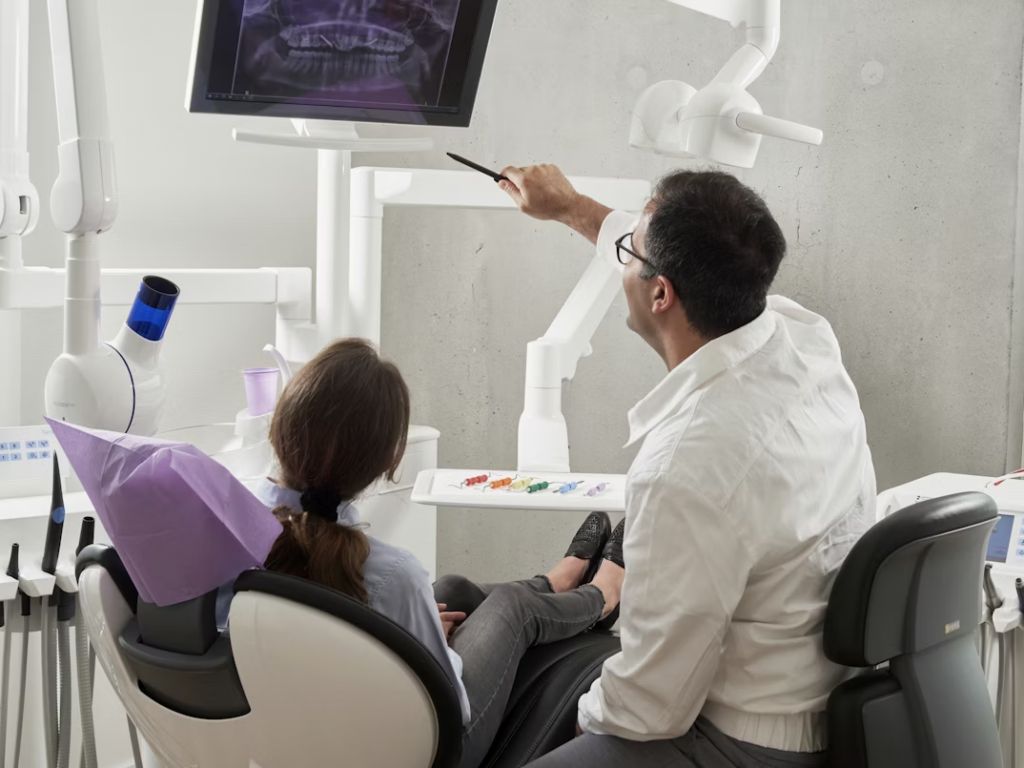
Good dental care plays a larger role in everyday health than many people realize, influencing everything from comfort and confidence to long term medical outcomes. While brushing and routine checkups may seem basic, they are part of a preventive system that protects the body as a whole, not just the teeth. Many modern practices now rely on a dental virtual assistant to help maintain consistent preventive care, even when patient schedules and workloads become demanding.
The Connection Between Oral Health and Overall Wellness
The mouth is often described as a gateway to the body, and for good reason. Infections or gum inflammation can affect circulation and the immune response, creating stress on other systems over time. When oral health is neglected, small problems can quietly grow into issues that impact daily energy levels and overall well-being.
Preventive dental care helps reduce this risk by identifying concerns early. Regular cleanings and examinations allow dental professionals to address plaque buildup, gum irritation, or early decay before they spread. This proactive approach supports a healthier balance throughout the body and reduces the likelihood of more complex medical complications later on.
Prevention Reduces Long Term Health Risks
Preventive dental care is not just about avoiding cavities; it is about lowering long-term health risks. Research continues to show links between gum disease and conditions such as heart disease and diabetes. While dental care alone does not prevent these conditions, it plays an important supporting role in overall health management.
By focusing on prevention, patients benefit from fewer emergencies and less invasive treatments. Early intervention usually means simpler procedures, shorter recovery times, and lower stress levels. Over time, this consistency helps patients maintain better control over both oral and general health outcomes.
The Role of Consistent Dental Habits
Daily habits form the foundation of preventive dental care. Brushing, flossing, and mindful eating choices help limit bacteria growth and protect enamel. These routines may seem small, but their cumulative effect is significant when practiced consistently.
Consistency is also important at the practice level. Appointment reminders, follow-up communications, and patient education reinforce healthy habits outside the dental office. When patients stay informed and engaged, they are more likely to follow through with preventive care recommendations.
How Modern Dental Practices Support Prevention
Dental practices today are increasingly focused on prevention-driven care models. Education, communication, and early screening are central to helping patients understand why regular visits matter. Clear guidance encourages patients to view dental care as part of a broader health strategy rather than a reaction to pain.
Technology and remote support have made this approach easier to maintain. Many practices now use virtual support systems to efficiently manage scheduling, reminders, and patient questions. This allows dental teams to spend more time focusing on clinical care while still maintaining strong preventive communication.

Prevention Benefits Patients at Every Life Stage
Preventive dental care supports health at every age, from childhood through later adulthood. For younger patients, early habits help guide proper development and reduce anxiety around dental visits. For adults, prevention supports daily comfort and long-term stability, especially as responsibilities increase.
As people age, prevention becomes even more important. Regular monitoring helps manage changes in oral health that naturally occur over time. With steady preventive care, patients can maintain function, confidence, and quality of life well into later years.
The Long Term Value of Preventive Dental Care
Preventive care is an investment in long term health rather than a short-term solution. Addressing small issues early helps avoid more serious complications that can affect daily routines and overall wellness. It also supports a sense of control, as patients are actively participating in their own health maintenance.
From a broader perspective, prevention benefits the entire healthcare system by reducing the need for complex interventions. When dental health is managed proactively, it contributes to better outcomes across multiple areas of health. This makes prevention a practical and sustainable approach for both patients and providers.
Conclusion
Good dental care is about more than maintaining a bright smile; it is a key part of everyday health and prevention. By focusing on early intervention, consistent habits, and clear communication, patients can protect their oral health while supporting their overall well-being. Prevention matters most because it empowers individuals to stay healthy, confident, and proactive about their long term quality of life.