
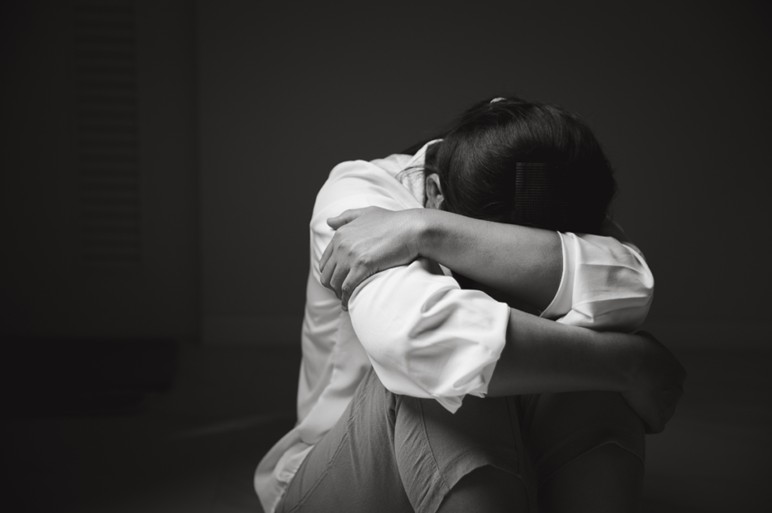
Sexual abuse throws the brain and body into survival mode. It overwhelms a person’s emotional processing system, and that overload doesn’t always get sorted out right away. In fact, the trauma often gets stored, locked away in the mind and nervous system, only to resurface later through intense emotions or physical symptoms that seem to come out of nowhere.
When victims react or show signs of suffering in some way, they are not just being too sensitive or overthinking things. These are legitimate, trauma-based reactions that many survivors face, and they show up in ways that can be hard to connect back to the original cause unless you understand the full picture.
And if someone decides to take legal action to get justice or support, talking to experienced sexual abuse attorneys at TopDog Law can be one way to feel heard, understood, and guided through the process without feeling overwhelmed.
Here are the emotional effects of sexual abuse that victims typically have to go through:
Living with Constant Fear
Fear after sexual abuse isn’t just about being scared of the dark or flinching at loud noises. The brain, after experiencing trauma, starts to believe the world is unsafe, so it stays in high alert mode. Even when there’s no real danger, the body acts like there is.
That’s why survivors might avoid crowded rooms, specific smells, or even people who resemble the abuser. Their nervous system is wired to stay alert, and that constant fear response can make life feel exhausting.
Anxiety That Feels Like It Comes Out of Nowhere
Anxiety after trauma can feel like walking around with an invisible weight on your chest. Survivors may not always understand where that anxiety is coming from. The abuse may have happened years ago, but the emotional system doesn’t always keep track of time.
If the brain never fully processes the trauma, it keeps reacting as if the danger is still around. That’s why small things, like a certain voice tone, a closed door, or even a simple touch, can trigger intense reactions such as rapid palpitations, shortness of breath, or even a sense of doom that comes out of nowhere.
These are physical responses to unresolved trauma. The brain is doing what it was trained to do: stay alert and survive.
Shame and Humiliation
Humiliation is a quiet, crushing weight that’s on a survivor’s mind, often convincing them they’re broken or unworthy. And this shame comes from the deeply personal and violating nature of abuse. When someone’s control over their body is violated, their sense of self often gets shaken, too.
Survivors might feel dirty, even though they did nothing wrong. They may avoid eye contact, social settings, or any kind of conversation about their past. And the worst part is that many keep it all inside, thinking that if others knew, they’d be judged, blamed, or dismissed.
This silence feeds the shame. And that shame becomes a barrier, not just to healing, but to basic everyday functioning.
Nightmares and the Trauma Loop
Sleep should be the one place where the mind rests. But for survivors, that isn’t always the case. Nightmares can become a nightly visitor, replaying the trauma or twisting it into terrifying scenarios that make sleep feel unsafe.
These dreams can feel as real as the day the trauma happened. Waking up drenched in sweat, heart racing, feeling like it’s all happening again; that’s what many survivors live with. Over time, this can lead to insomnia, sleep avoidance, or daytime exhaustion.
Physical Ripple Effects
One of the lesser-talked-about impacts of sexual abuse is how emotional trauma shows up in the body. Chronic stomach pain, unexplained headaches, joint aches, and fatigue. All of these are part of how unresolved trauma settles in the nervous system.
Survivors might find themselves avoiding doctors, especially for procedures that involve physical exams. The body remembers even when the mind tries to move on. And this connection between emotional distress and physical pain is too significant to ignore.