

As we age, maintaining independence becomes closely tied to how safe and accessible our home environment is. A movement-friendly home enables seniors to navigate daily routines confidently while reducing the risk of falls, strain, and fatigue. By thoughtfully adapting each area of the home, caregivers and older adults can create a safer, more empowering space that supports ageing in place.
Eliminate Trip Hazards and Improve Flooring
The first step to enabling free movement is to reduce obstacles. Cluttered pathways, loose rugs, and uneven surfaces can all contribute to slips and falls. Remove or secure rugs with non-slip backing, tape down electrical cords, and ensure walkways are always clear. Replace high-pile carpets or glossy tiles with low-slip flooring, and use threshold ramps to minimise transitions between rooms.
Where possible, opt for continuous, level flooring across all rooms to avoid changes in elevation, which can be disorienting or dangerous for those with reduced proprioception.
Widen Pathways and Rearrange Furniture
Seniors using walking aids such as canes, walkers, or wheelchairs require wider clearances throughout the home. Hallways and doorways should ideally be at least 90 cm wide. Rearrange furniture to create open, navigable routes, especially in high-traffic areas like lounges, kitchens, and bedrooms.
Avoid placing low-lying or decorative items, such as ottomans or floor plants, in movement paths. Seating should be positioned with enough room around it to allow a safe approach and standing, especially for those with limited mobility or joint issues.
Incorporate Movement Aids Where Needed
Introducing mobility and daily living aids helps seniors move around their home with confidence. Depending on individual needs, equipment such as walking frames, bed levers, or over-chair tables may be necessary.
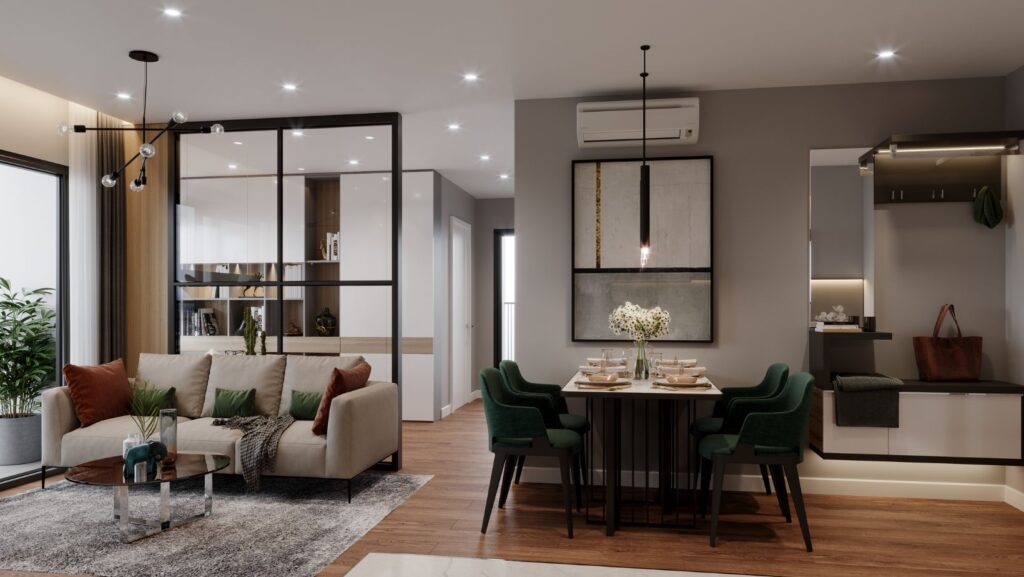
Choosing the right products is key, and working with a trusted provider of mobility and daily living aids at Safety and Mobility ensures that the equipment is suited to personal needs and the layout of the home. Properly fitted aids reduce physical strain and foster greater self-reliance.
Enhance Lighting to Reduce Visual Confusion
Poor lighting increases the risk of tripping or misjudging distances. A well-lit home makes movement easier and safer for seniors with diminished eyesight. Install bright, evenly distributed lighting in all rooms, and add motion-activated night lights in hallways and bathrooms to guide safe night-time movement.
Use switches with large, illuminated buttons, and place them at accessible heights. To assist with contrast recognition, consider using different colours for walls, floors, and furniture to define edges and spaces clearly.
Adapt High-Use Zones for Ease of Movement
Areas like kitchens, bedrooms, and bathrooms should be adapted to minimise bending, reaching, or awkward movement. Use furniture with appropriate heights and firm support, such as chairs with arms and higher seat levels.
Place frequently used items at waist height and use pull-out drawers or rotating shelves to improve access. In bathrooms, install walk-in showers with seating and hand-held showerheads. Non-slip tiles and mats are essential in wet areas.
Daily-use tools, like kettle tippers or reachers, can ease tasks without compromising safety or independence. These changes not only enhance freedom but also reduce reliance on others for basic activities.
Making Homes Safer, One Step at a Time
By focusing on spatial clarity, supportive fixtures, and appropriate mobility tools, you can transform a standard home into one that respects the unique needs of ageing bodies. These proactive changes don’t just enhance safety—they promote autonomy, comfort, and confidence for seniors wishing to age in place.