
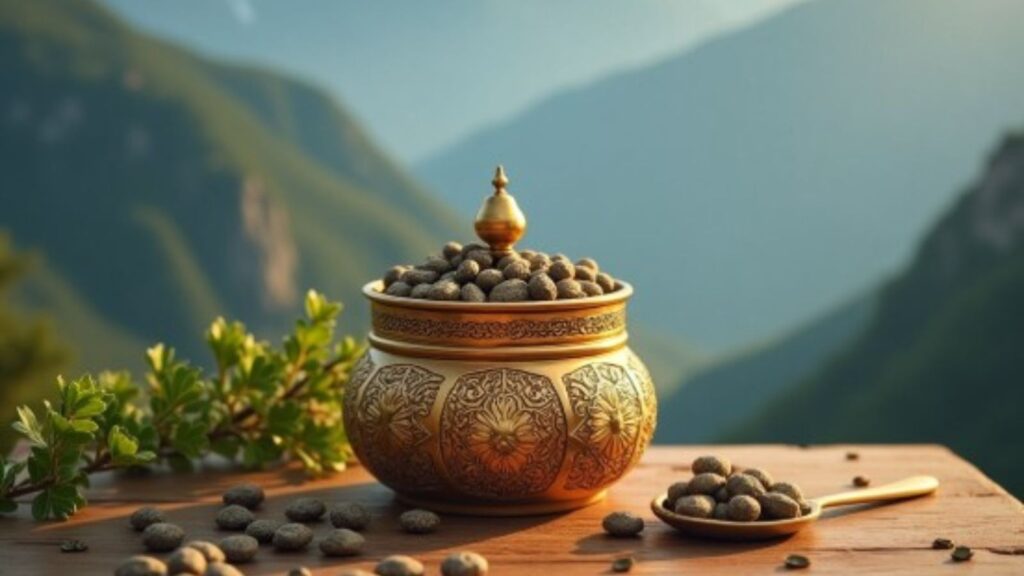
In the high mountain ranges of Asia, a special substance called Shilajit has been used for hundreds of years to help people feel better. This dark, sticky stuff forms slowly in rock cracks. Today, scientists are studying Shilajit to understand why people think it’s good for health. Let’s explore how Shilajit goes from mountain rocks to health supplements, and what research says about how it might help our bodies.
Ancient Origins
Himalayan mountain ranges
Traditional Use
Ayurvedic medicine for centuries
Modern Research
Exploring potential health benefits
Shilajit, sometimes called “rock sweat,” forms over many years as plants break down between rocks. It’s full of helpful stuff like fulvic acid and lots of minerals. People are getting more interested in natural health products, and shilajit resin Ireland is becoming popular because it might be good for your health. Shilajit has over 84 different minerals that your body can use easily, which is why scientists and health fans are excited about it.
Now, let’s look at what science tells us about Shilajit and how it might be used to help people stay healthy.
The Geological Formation of Shilajit
Shilajit forms very slowly, over hundreds or thousands of years. It happens when plants get trapped between layers of rock in mountains. Over time, heat, pressure, and tiny living things break down the plants. As this happens, minerals from the rocks mix in. This makes Shilajit rich in stuff called humic and fulvic acids, which are important parts of healthy soil.
This process usually happens in mountains between 1,000 and 5,000 meters high. The Himalayas are famous for Shilajit, but it’s also found in other Asian mountain ranges. The tough conditions in these high places, with lots of pressure and not much oxygen, help create Shilajit’s special properties.
Different mountains can make Shilajit with different minerals. For example, Shilajit from the Himalayas might have different minerals than Shilajit from Russian mountains, because the rocks are different in each place.
Chemical Composition of Shilajit
Shilajit is made up of many different things, which is why it’s so interesting. While it can be a bit different depending on where it comes from, there are some main parts that are usually present:
- Fulvic Acid: This helps your body absorb nutrients better and acts as an antioxidant, which protects your cells.
- Humic Acid: This might help reduce inflammation and remove harmful metals from your body.
- Minerals: Shilajit has many minerals like iron, zinc, and magnesium. These are in a form that your body might absorb more easily.
- Dibenzo-α-pyrones: These might help your brain work better. They’re similar to a substance your body makes for energy.
These parts, along with amino acids and other active substances, are why people think Shilajit might be good for health. But it’s important to know that Shilajit can be different depending on where it comes from and how it’s processed. That’s why it’s important to get Shilajit from trusted sellers who can tell you exactly what’s in it and where it came from.
Traditional Uses of Shilajit in Ayurvedic Medicine
In Ayurvedic medicine, which is an old Indian health practice, people have used Shilajit for thousands of years. They believe it can help balance the body and make people feel better overall. Here are some ways people have traditionally used Shilajit:
- To boost energy and strength: People think Shilajit can help you feel more energetic and perform better physically.
- To help digestion: It’s believed to improve how your stomach and intestines work.
- To help thinking and memory: Especially for older people, Shilajit is thought to help keep the mind sharp.
- To clean the body: The acids in Shilajit might help your body get rid of harmful stuff.
- To support the immune system: People think it might help your body fight off sickness better.
While these ideas come from years of people using Shilajit, scientists are now studying to see if these benefits are real. They’re trying to connect what people have believed for a long time with what modern medicine can prove.
Modern Scientific Research on Shilajit
Scientists are now studying Shilajit to see if it really does have health benefits. Here’s what some studies have found:
Brain Health: Some research suggests Shilajit might protect brain cells. One study on rats showed it might help prevent the buildup of a protein linked to Alzheimer’s disease.
Energy and Stamina: A study found that Shilajit might help people exercise better and feel less tired. It might help cells make more energy.
Antioxidant Effects: The fulvic acid in Shilajit is a strong antioxidant. This means it might help protect cells from damage. One study found that Shilajit was good at fighting harmful molecules in the body.
While these studies are interesting, scientists need to do more research to fully understand how Shilajit works and how it might help people. It’s tricky because Shilajit can be different depending on where it comes from, so researchers need to do more careful studies with lots of people.
Potential Health Benefits of Shilajit
Based on old knowledge and new research, scientists are looking at several ways Shilajit might help health:
- Brain Health: Shilajit might help protect brain cells and possibly slow down memory loss. Some researchers are studying if it could help with conditions like Alzheimer’s disease.
- Energy Boost: Studies suggest Shilajit might help cells make more energy, which could make people feel more energetic.
- Antioxidant Protection: Shilajit has strong antioxidants that might protect cells from damage. This could help overall health and maybe even slow down aging.
- Immune System Support: Some research shows Shilajit might help balance and support the immune system, which helps fight off sickness.
- Anti-Aging Effects: The mix of antioxidants and other helpful compounds in Shilajit has led some researchers to look at how it might help with aging. While more research is needed, some studies suggest it might help protect against cell damage that happens as we get older.
Shilajit in Modern Supplement Form
As more people get interested in Shilajit, it’s becoming available as a supplement. But it’s important to process raw Shilajit properly to make sure it’s safe and works well. Here’s what you should know about Shilajit supplements:
Processing: Raw Shilajit needs to be cleaned to remove any harmful stuff and make sure it’s consistent. This usually involves filtering, heating, and sometimes adding other herbs to make it better.
Types of Shilajit Supplements:
- Resin: This is the most traditional form. It’s sticky and tar-like, and you can mix it with warm water or milk.
- Powder: Dried Shilajit that’s easy to mix into drinks. It’s good for measuring exact amounts.
- Capsules: Easy to take and already measured out. Good for people who don’t like the taste or need to take it on the go.
- Liquid extracts: Concentrated forms you can add to drinks. Some say these might be absorbed better by the body.
When choosing a Shilajit supplement, it’s important to pick one from a trusted company that tells you where they get their Shilajit and how they clean it. High-quality Shilajit resin from Ireland is available for those who want to try its potential benefits. Look for products that have been tested by independent labs for purity and strength, and be careful of supplements that make big health claims.
Safety Considerations and Precautions
Even though Shilajit has been used for a long time, it’s important to be careful when using it. Here are some safety things to think about:
- Possible Side Effects: Most studies on clean Shilajit don’t show many side effects when used correctly. Some people might have stomach discomfort when they start using it. Rarely, some people might be allergic to it.
- Interactions: Shilajit might interact with some medicines, especially diabetes medicines, because it can affect blood sugar. It’s really important to talk to a doctor before using Shilajit, especially if you take other medicines. It might also interact with iron supplements or medicines that affect iron in your body.
- Quality and Purity: Raw Shilajit might have harmful stuff in it, like heavy metals. Always choose purified Shilajit from trusted sources. Look for products that have been tested by independent labs.
- Who Should Not Use Shilajit: Some people should avoid Shilajit or only use it if a doctor says it’s okay:
- Pregnant and breastfeeding women: We don’t know if it’s safe for them.
- Children: There’s not enough research on if it’s safe for kids.
- People with certain blood conditions: Shilajit might increase iron absorption, which could be bad for some conditions.
- People who have had gout or kidney stones: Some parts of Shilajit might make these conditions worse.
Always talk to a doctor before starting to use Shilajit, especially if you have health problems or take medicines.
Dosage and Administration of Shilajit
Figuring out how much Shilajit to take can be tricky because products can be different, and people’s needs vary. Here are some general guidelines:
Recommended Amounts: Based on current research, typical amounts are:
- 300-500 mg per day for general health
- Up to 1-2 grams per day for specific health issues (only under a doctor’s supervision)
These amounts are for purified Shilajit resin or powder. Different products might have different strengths, so always follow the instructions on the label or ask a doctor for advice.
Ways to Take Shilajit:
- Mixed in warm water or milk: This is the traditional way and might help your body absorb it better.
- Added to smoothies or juices: This can help if you don’t like the taste.
- Directly (for resin forms): Some people let a small amount dissolve under their tongue.
- As capsules with water: This is the easiest way to take the same amount each time.
Things That Affect How Much to Take:
- Body weight: Bigger people might need more.
- Overall health: People with certain health issues might need different amounts.
- Health goals: You might need more for certain health benefits.
- Quality of the Shilajit: Purer forms might mean you need less.
It’s best to start with a small amount and slowly take more if needed, with a doctor’s advice. This helps you see how your body reacts and reduces the chance of side effects.
The Future of Shilajit Research
Scientists are still learning about Shilajit and how it might help people. Here are some areas they’re studying:
- Brain Protection: Researchers are looking at how Shilajit might help keep brains healthy, especially as people get older. They’re studying how it might protect brain cells and help with memory.
- Body Health: Studies are checking if Shilajit can help with things like blood sugar levels and how the body processes fats.
- Sports Performance: Because people have used Shilajit for energy, scientists are studying if it can help athletes perform better and recover faster.
- Stress Management: Researchers are interested in how Shilajit might help the body handle stress better.
One big challenge is making sure all Shilajit products are the same quality. Scientists need to figure out the best ways to process Shilajit and make sure it’s always safe and effective. Future research might focus on finding the most important parts of Shilajit, which could lead to new and better supplements.
Shilajit in the Context of Holistic Health
Shilajit might be helpful on its own, but it works best as part of a whole approach to staying healthy. Here’s how Shilajit can fit into a complete health plan:
Using with Other Natural Supplements: Shilajit might work well with other natural supplements. For example, taking Shilajit with Moringa supplements could give you more nutrients and antioxidants. The minerals in Shilajit could work together with the vitamins in Moringa to give your body more of what it needs.
Healthy Lifestyle Habits: To get the most out of Shilajit, try these healthy practices:
- Regular exercise: Being active can help boost Shilajit’s energy effects and keep your body healthy overall.
- Stress-reduction like meditation or yoga: These can help your body handle stress better, which might work well with Shilajit.
- Eating a balanced diet: Eating lots of whole foods can work together with Shilajit to keep you healthy.
- Getting enough sleep: Good rest helps your body use the nutrients in Shilajit better.
Shilajit as Part of Overall Wellness: Instead of thinking Shilajit can fix everything, it’s best to see it as one part of staying healthy. Its potential to help with energy, thinking, and overall health can work well with other healthy habits. When you combine Shilajit with good food, exercise, managing stress, and other helpful supplements, it can be part of a strong plan for staying healthy.
Conclusion: Bridging Traditional Wisdom and Modern Science
Shilajit’s journey from mountain rocks to modern health supplements shows how old knowledge can lead to new scientific discoveries. While ancient texts praised Shilajit as a powerful health booster, modern research is starting to understand why it might be helpful.
Shilajit’s mix of minerals, fulvic acid, and other active compounds might help with things like brain function, energy, and protecting cells from damage. This makes it interesting for people looking for natural health solutions.
However, it’s important to be careful with Shilajit. While early research looks promising, scientists need to do more studies to fully understand how it works, how best to use it, and how it might interact with other things. Like any supplement, the quality, purity, and right amount are very important.
If you’re interested in trying Shilajit, high-quality products like organic Shilajit mineral supplements offer a way to add this ancient substance to modern health routines. Always talk to a doctor before starting any new supplement, especially if you have health conditions or take medicines.
As research continues, Shilajit might become more important in natural health supplements. Its journey from mountains to medicine cabinets shows how valuable old wisdom can be and how modern science can help us understand nature’s secrets to improve human health.