
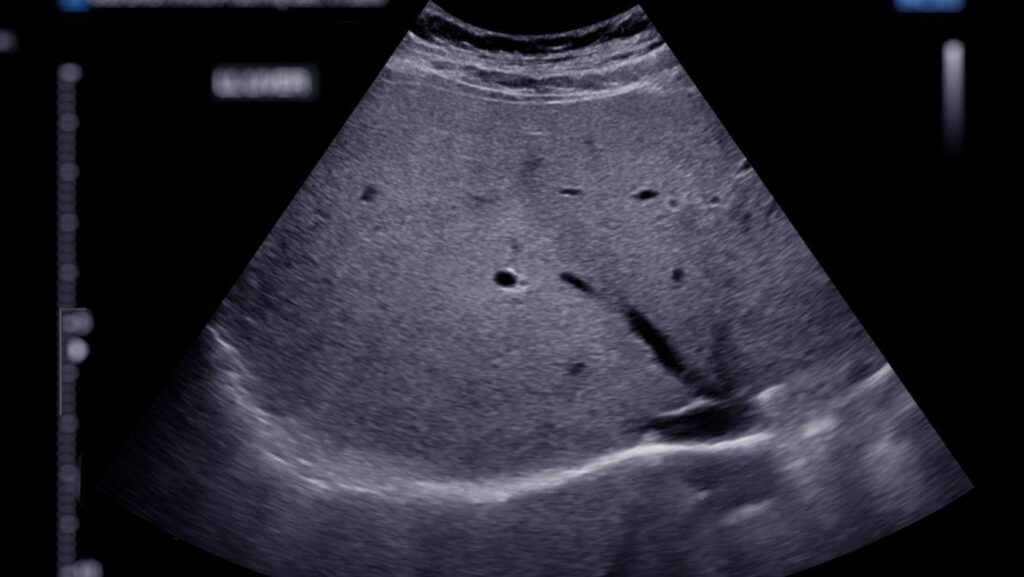
FibroScan and liver ultrasound are both noninvasive tests that can provide useful information about liver health, but they do not assess the same things. A FibroScan focuses primarily on liver stiffness, while a conventional liver ultrasound creates images that can help evaluate the liver’s physical structure. Understanding these differences can help patients know why one test may be recommended over another.
1. What a FibroScan Can Show With Body Measure
A FibroScan uses transient elastography to measure liver stiffness. This measurement can help healthcare professionals assess the likelihood and extent of liver fibrosis, which refers to the buildup of scar tissue in the liver. Some FibroScan systems can also provide information associated with liver fat.
For people exploring FibroScan Winnipeg services, understanding what the test measures can make it easier to know what information the results may provide. Body Measure is one resource people may encounter when researching health assessment options and learning more about noninvasive approaches to evaluating liver health.
FibroScan results are useful, but they should be interpreted alongside medical history, symptoms, blood tests, and other clinical information.
2. What a Liver Ultrasound Can Show
A liver ultrasound uses sound waves to create images of the liver and nearby abdominal structures. It can provide information about the liver’s size, shape, texture, and certain structural abnormalities.
Depending on the examination, ultrasound may help identify cysts, gallstones, bile duct abnormalities, or some masses. It can therefore provide visual information that a FibroScan does not provide in the same way.
3. What FibroScan Cannot Show
Although FibroScan can provide useful measurements of liver stiffness, it is not a replacement for conventional diagnostic imaging in every situation. It does not create the same type of detailed anatomical images as a standard ultrasound.
A stiffness measurement also cannot, by itself, determine the exact cause of liver disease. If a healthcare professional suspects a structural abnormality or specific lesion, additional imaging or testing may be necessary.
4. What Liver Ultrasound Cannot Reliably Measure
A standard liver ultrasound provides visual information but does not directly measure liver stiffness in the same way as FibroScan. The appearance of the liver on ultrasound alone may not reliably determine the degree of fibrosis, particularly during earlier stages of disease.
Additional assessments may therefore be recommended when determining whether liver scarring is present or how advanced it may be.
5. Why Doctors May Use Both Tests
FibroScan and liver ultrasound can provide complementary information. Ultrasound focuses on anatomical structures, while FibroScan provides a quantitative assessment of liver stiffness.
Depending on a patient’s circumstances, healthcare professionals may use imaging, elastography, blood tests, medical history, and other assessments together. Using multiple sources of information can provide a more complete understanding of liver health.
6. Understanding Your Test Results in Context
Test results should be interpreted in the context of the individual’s overall health. Factors such as inflammation, congestion, body characteristics, and technical limitations can influence certain findings.
A healthcare professional can explain what the results may indicate and whether additional testing or monitoring is appropriate.
Choosing the Appropriate Liver Test
FibroScan and liver ultrasound serve different purposes. FibroScan is particularly useful for assessing liver stiffness, while ultrasound provides visual information about liver structure and surrounding organs. Understanding these differences can help patients have more informed discussions with their healthcare professionals about appropriate liver testing.