

Hearing impairment affects millions of individuals all over the globe, but most persons are not aware that hearing can be diagnosed and treated by professional personnel to be able to greatly enhance their quality of life. The initial step to improving the state of hearing and determining how to reconnect with the sounds that matter most would be to understand how audiologists go about the diagnosis and treatment of the hearing loss.
The Diagnostic Process
Audiologists start with a detailed assessment that is aimed at learning the peculiarities of your hearing when you visit it. Audiologists can determine how sensitive you are to sound running across various frequencies and volumes using advanced testing policies. This is usually done through a patient history which involves your audiologist getting to know about your hearing problems, medical history and lifestyle so as to create a complete auditory health picture of you.
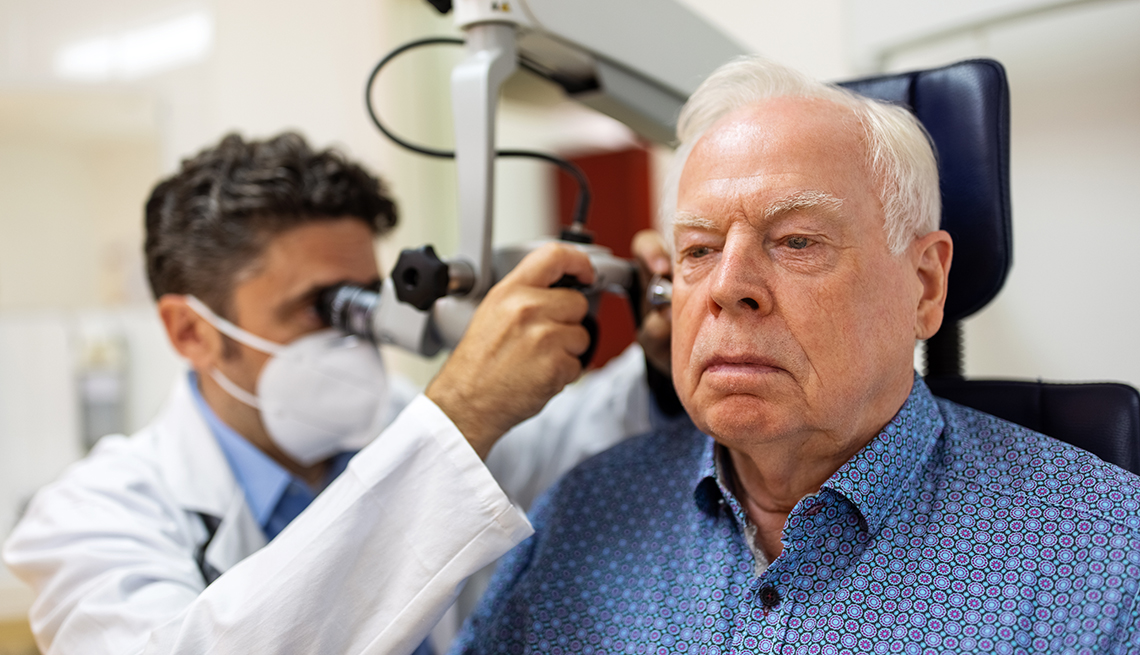
Among the major tests is the pure-tone audiometry that is used to determine the lowest sounds you can perceive at different frequencies. Audiologists can also administer speech discrimination tests that determine the extent of your comprehension of words in a silent and noisy surrounding. In the case of people in need of specialized care, be it in a city or in an audiologist nj, a qualified professional would undertake in-depth diagnostic testing to ensure a proper diagnosis.
Other diagnostic instruments can involve tympanometry to check the level of middle ear and acoustic reflex testing to determine the level of response by your ear to sound. It is through these thorough tests that the cause of the hearing loss can be thought to be present and the type of hearing loss can be determined to be conductive, sensorineural or mixed, and the degree of the hearing loss.
Treatment Solutions and Options

After making the diagnosis audiologists make specific treatment plans that suit your needs. Hearing aids are the most widespread intervention of sensorineural hearing loss. The latest hearing aids have undergone a lot of improvements, with sleek models, full of technological advancements that allow a person to cope in various sound conditions without any manual alterations.
An audiologist collaborates with the patient to identify the appropriate kind of hearing aid style and functionality depending on his or her hearing loss profile, lifestyle, and preferences. Behind the ear (BTE) models are used to amplify severely hear impaired loss while completely-in-the-canal (CIC) models are used to offer almost invisible solutions in mild to moderate loss.
In conductive hearing loss, the treatment can either be by medical management or surgery, depending on the cause. Your audiologist liaises with your physician to provide comprehensive treatment.
The Significance of Patient Education
In addition to proper hearing aids, audiologists focus on educating the patients. They give advice on how to take care of the device, how to handle the battery and aural rehabilitation solutions to make you adapt to the hearing aids and get the best out of it. Follow-up appointments make sure that your devices are adequately programmed and that they are working to their best in different listening environments.
Moving Forward
Being deaf does not mean that you have to live a restricted life. You will be able to recover and enjoy improved hearing and improve communication with loved ones with professional diagnosis and evidence-based treatment by a qualified audiologist. When you have a hearing problem, the first thing to do to restore your lost connection with the sound of life is to have your hearing assessed. Audiologists are capable of expertly offering personalized care which is the difference between successful and unsuccessful hearing outcomes.