

Selecting the perfect cannabis strain is never about the hype or trends. There’s a degree of personal choice involved that is contingent upon the type of lifestyle and tolerance you may have. While some may opt for types that are very grounding and calming, others may prefer something with a light and stimulating effect.
The difficulty is that there are so many types that you may become overwhelmed before you can make a decision.
A deliberate approach matters significantly. Knowledge about the types, strength, taste, and desired effects of the strain goes a long way in making a smart selection without missing. Well-rounded strains, such as those flavored like cookies, are favored today because they do not possess extreme qualities, allowing for flexibility and ease in selection based on a few key considerations, rather than the fame they carry.
Here are a few key factors to consider when selecting an appropriate strain for yourself.
1. Begin with Your Purpose and Desired Experience
The most crucial part of this process, however, begins with understanding exactly what you need from strain.
Do you need a strain that could be of assistance to you in unwinding after a long day, or perhaps one that could be of assistance to you with social events and even some artistic pursuits?
A balanced strain, such as the Cookies and Cream strain, is preferable for those who like flexibility. It can provide a relaxing effect without being too heavy, allowing for clarity. Knowing what you want is the first goal, and all other options fall in place, including dosage.
2. Knowledge of THC Level and Tolerance
Potential potency can greatly influence how a strain feels. High THC content can create an intense experience, while moderate content is more likely to produce smooth experiences. Too much is not necessarily better.
Your tolerance is specific to you. It will grow with time. Selecting a strain that matches your level of tolerance will minimize the side effects that you don’t need, such as agitation or a cloudy mind. Most people find better use with a strain with a moderate THC level.
3. Familiarize Yourself with Indica, Sativa, and Hybrids
Strain typologies remain relevant during the process of narrowing down choices. Indica-dominant strains are associated with relaxation. These strains promote ease. Energizing effects characterize sativa-dominant strains. These are also associated with uplifting. Hybrids offer the two.
Hybrid strains are common for their adaptability to different situations. They might help with balance, rather than inducing a one-way experience in terms of mood or energy level. They might appeal to those seeking something consistent, without extreme changes in mood or energy levels.
4. Exploring Other Cannabinoids Aside from THC
THC tends to get the spotlight, but there’s another player in the effect that THC has on the body’s reactions, and that player is CBD. Sometimes, the effect of CBD can counterbalance the extreme effects of THC, leading to a more relaxed experience for the user. Varieties with differing levels of the compound in marijuana can experience a more controllable effect.
Some users may find that these balanced profiles are preferable to others because they may dampen the harsh highs without producing drastic effects. Focusing on cannabinoid content allows you to select strains that are more suited to how your body reacts.
5. Terpene Profiles Matter More Than You Think
Terpenes also influence aroma, taste, and overall sensation. Sweet, creamy, earthy, or herbal flavors are not only determined by the taste aspect, as they have the power to influence how the phenomenon is experienced. A particular combination of terpenes can be more inclined to induce relaxation, while others can be perceived as brighter.

The good thing is that you can choose a particular strain of cannabis that has terpenes you like. Enjoying terpenes will, in most cases, lead to higher levels of comfort.
6. Correlate Strain and Timing of Use
Time matters more than one thinks. Some strains may work well earlier in the day, while others are more suitable for the evening. It doesn’t pay off if something revitalizing is taken too late at night or too relaxing when it’s a busy working hour.
They tend to bloom in a balanced way if the hybrids don’t overcrowd in one direction. It is necessary to consider when you are likely to need the plant, and that will increase satisfaction.
7. Assessing Quality through Appearance and Freshness
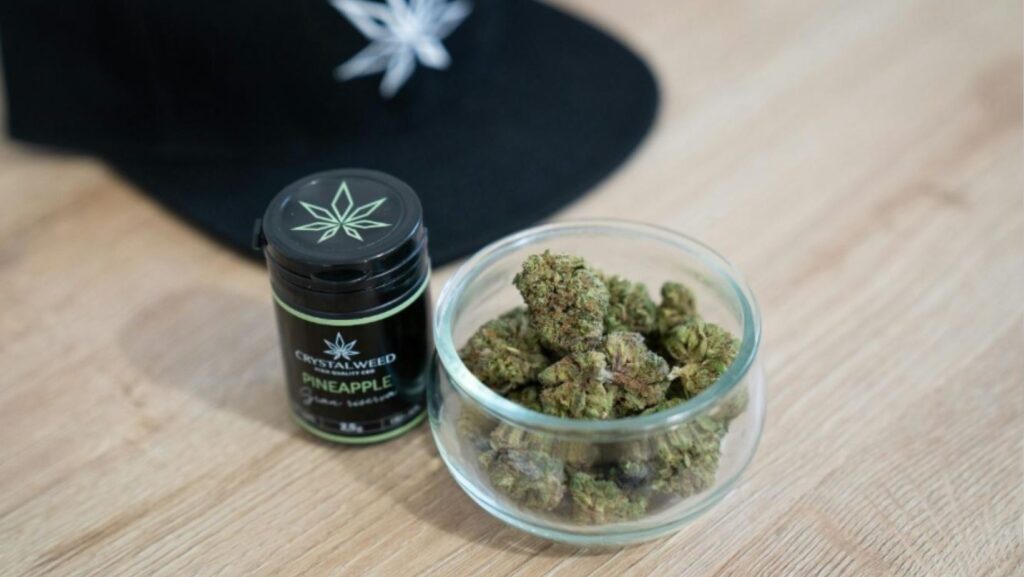
Quality indicators are not difficult to identify once you understand what you’re looking for. A quality bud has good color, prominent trichomes, and a nice scent. Poor quality will be evident if it is dry, has a poor scent, or has a poor texture.
Quality materials are important in achieving consistency. A good strain is aesthetically pleasing. Most likely, such a strain also grows better. There may be better results in yield. While the overall effect remains the same
Final Thoughts
Finding the best strains is not necessarily about selecting the most popular ones, but rather about identifying those that best suit your needs.
By prioritizing your interests, being aware of potency, familiarizing yourself with various strains, and being informed about cannabinoids, terpenes, and quality, you can effectively limit your choices without confusion, but with conviction.
The balanced strains remain in demand for various reasons: they provide flexibility without going to either extreme. The process is more predictable when done thoughtfully rather than in a hurry.