
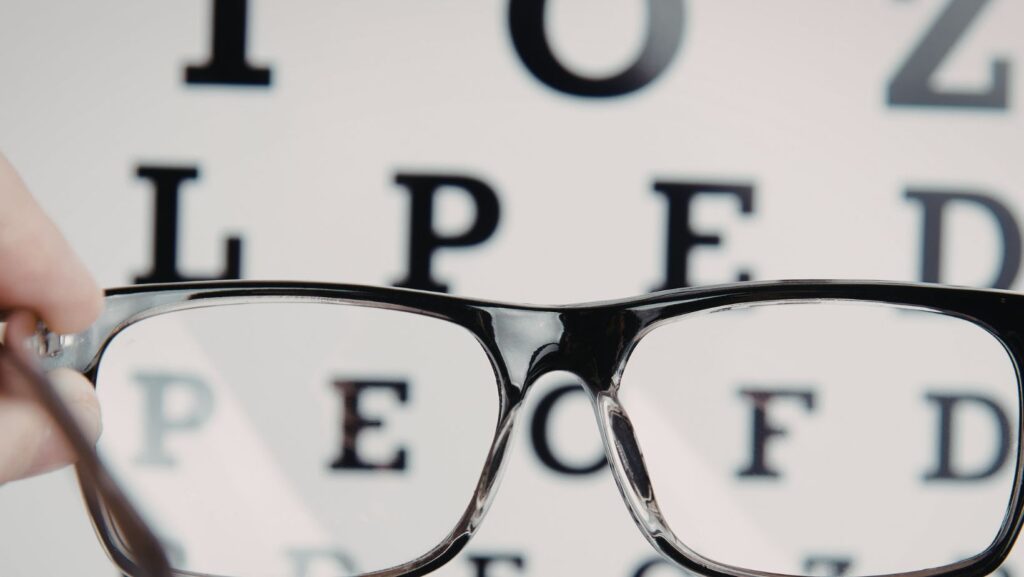
Prescription glasses are worn for hours at a time, often from the moment the day starts until it winds down at night. Because of that, comfort is not a bonus. It is essential.
Small daily habits, repeated consistently, make the difference between glasses that feel natural and glasses that become a constant distraction.
Comfort does not come from frames alone. It comes from how glasses are worn, cared for, and integrated into everyday routines. When those habits are right, glasses fade into the background and allow focus to stay where it belongs.
Why does daily comfort with glasses matter so much?
Discomfort builds quietly. A slight pinch on the nose, lenses that smudge easily, or frames that slip during movement may seem minor at first. Over time, these small irritations add up.
Poor comfort can lead to:
- Headaches or pressure around the temples
- Eye strain and fatigue
- Constant adjusting or removing glasses
- Reduced focus during work or daily tasks
Comfort is not just physical. When glasses feel right, confidence improves and daily movement feels easier.
How does starting the day correctly affect glasses comfort?
Morning habits set the tone for how glasses feel all day. Rushing to put them on without checking alignment often leads to hours of unnecessary irritation.
Taking a moment to ensure glasses sit properly can prevent pressure points and imbalance. Frames should rest evenly on the nose, sit level across the face, and feel secure without squeezing.
A calm start allows glasses to feel like part of you rather than something you are wearing.
Why is regular cleaning essential for comfort?
Dirty lenses do more than reduce clarity. They force your eyes to work harder, which causes strain even when your prescription is correct.
Clean lenses help by:
- Maintaining sharp vision
- Reducing squinting and tension
- Preventing glare caused by smudges
Daily cleaning with a microfiber cloth keeps lenses clear without scratching them. This simple habit supports both visual comfort and eye health.
How do proper adjustments prevent discomfort?
Frames naturally shift over time. Heat, movement, and regular handling can slowly change how glasses sit on the face.
When frames are slightly misaligned, pressure increases in specific areas. This often causes soreness on the nose or behind the ears.
Periodic adjustments ensure:
- Even weight distribution
- Stable positioning during movement
- Reduced pressure on sensitive areas
Well-adjusted prescription glasses should feel secure and almost unnoticeable during wear.
How does posture influence glasses comfort?
Posture and eyewear are more connected than people realize. Slouching or craning the neck forward changes how glasses rest on the face.
Poor posture can cause frames to slide or press unevenly, especially during screen use. Over time, this creates discomfort that feels like a problem with the glasses rather than body positioning.
Sitting upright with screens at eye level helps glasses stay aligned and reduces both eye and neck strain.
Why does screen behavior matter when wearing glasses?
Modern life involves screens for work, communication, and entertainment. Extended screen use increases blinking reduction, which dries the eyes and amplifies discomfort.

Helpful screen habits include:
- Taking short visual breaks to reset focus
- Looking away to relax eye muscles
- Adjusting screen brightness to match room lighting
These habits support comfort without changing your glasses at all.
How does frame weight affect daily wear?
Lightweight frames generally feel more comfortable over long periods, but balance matters more than weight alone. Even light frames can feel uncomfortable if poorly fitted.
Comfortable frames distribute weight evenly across the nose and ears. This prevents pressure buildup and reduces the urge to remove glasses during the day.
The right balance allows glasses to feel stable without becoming noticeable.
Why is consistent wear better than constant removal?
Some people remove glasses frequently throughout the day. This often causes repeated pressure changes and increases awareness of discomfort.
Consistent wear allows your face to adapt naturally to the frames. Over time, glasses begin to feel like a natural extension rather than an external object.
Removing glasses only when necessary helps maintain comfort and focus.
How does hydration influence eye and glasses comfort?
Hydration affects eye moisture, which directly impacts comfort while wearing glasses. Dry eyes often feel more strained, even with perfect lenses.
Staying hydrated supports:
- Natural tear production
- Reduced eye fatigue
- Improved focus during long wear
Comfort begins inside the body, not just on the face.
What role does nighttime care play?
End-of-day habits matter as much as morning ones. Tossing glasses onto a surface or bed can warp frames and loosen alignment over time.
Placing glasses in a protective case overnight helps maintain fit and comfort the next day. This simple habit prevents gradual damage that often goes unnoticed until discomfort appears.
How can small habits prevent long-term issues?
Comfort is cumulative. Small habits practiced daily prevent problems from developing slowly.
Two habits make the biggest difference over time:
- Cleaning lenses gently every day to maintain clarity and reduce eye strain
- Checking frame alignment weekly to catch small shifts before they cause discomfort
These actions take minutes but protect hours of comfort.
When should discomfort signal a bigger issue?
Not all discomfort is habit-related. Persistent pain, headaches, or blurred vision may indicate that your prescription or frame fit needs review.
If discomfort continues despite good habits, it may be time for a professional adjustment or eye check. Comfort should not be something you tolerate. It should be the standard.
How do habits shape long-term comfort?
Daily habits shape how glasses feel more than people expect. Comfort is not fixed at purchase. It evolves based on how glasses are worn, cleaned, and cared for.
Over time, mindful habits turn glasses into something you trust and rely on without thinking.
Conclusion
The most comfortable prescription glasses are supported by consistent, thoughtful daily habits. From proper cleaning and posture to regular adjustments and hydration, small choices quietly protect comfort throughout the day.
When these habits become routine, glasses stop demanding attention. They support clear vision, reduce strain, and allow you to move through your day with ease and confidence.