

Laser eye surgery, often known as LASIK, might be a lifesaver for anyone who is sick of dealing with corrective lenses. Getting LASIK can greatly impact your daily life in New York, where life moves at a rapid pace.
However, you should be well-informed about LASIK before making the decision to have the procedure. For a metropolis as hectic as New York metropolis, this is of the utmost importance. Read on to learn all about LASIK in New York City, including the procedure, how much it will cost, and recommendations for reputable doctors.
What is LASIK Eye Surgery?
Common vision problems such as nearsightedness, farsightedness, and astigmatism can be corrected with refractive surgical procedures such as LASIK (Laser Assisted in Situ Keratomileusis).
Simplified, the procedure alters the cornea’s shape—the transparent “window” in front of the eye—to direct light to the retina in the proper way and at the correct location. With a success rate of over 90%, LASIK has been performed on a massive scale.
Most people report immediate visual improvement, and the procedure usually takes no more than ten to fifteen minutes each eye. There has been much discussion regarding how LASIK can reduce or eliminate the requirement for corrective lenses for some patients. Learn more here https://www.verifiedmarketreports.com/product/lasik-eye-surgery-devices-market/.
Why Choose LASIK in New York City?
There are pros and cons for everyone who lives in New York City, and LASIK is one option that many people find useful. Many people in cities like New York City need good eyesight to get around, make their way to work, or just enjoy what the city has to offer.
At least your glasses won’t fog up on the train and your winter contacts won’t dry out your eyes. With LASIK, people who live in the city that never sleeps can live their best lives.
The eye centers in New York City are also some of the most up-to-date and best at LASIK in the country. You can get the best care and the newest technology right in the middle of the city.
How Does LASIK Surgery Work?
Your initial consultation with the surgeon will take place in the period of time that is immediately preceding the operational procedure. At this point, the general health of your eye will be evaluated, the thickness of your cornea will be analyzed, and the surgeon will establish whether or not your prescription is stable. During this session, you will learn whether or not laser-assisted in situ, or LASIK, is an option that is appropriate for you.
During the day of the operation, ocular drops will be given to you in order to ease any discomfort that you might be experiencing. It is possible that some clinics will supply you with some moderate sedatives to help you relax, despite the fact that you will not be able to fall asleep using these medications.
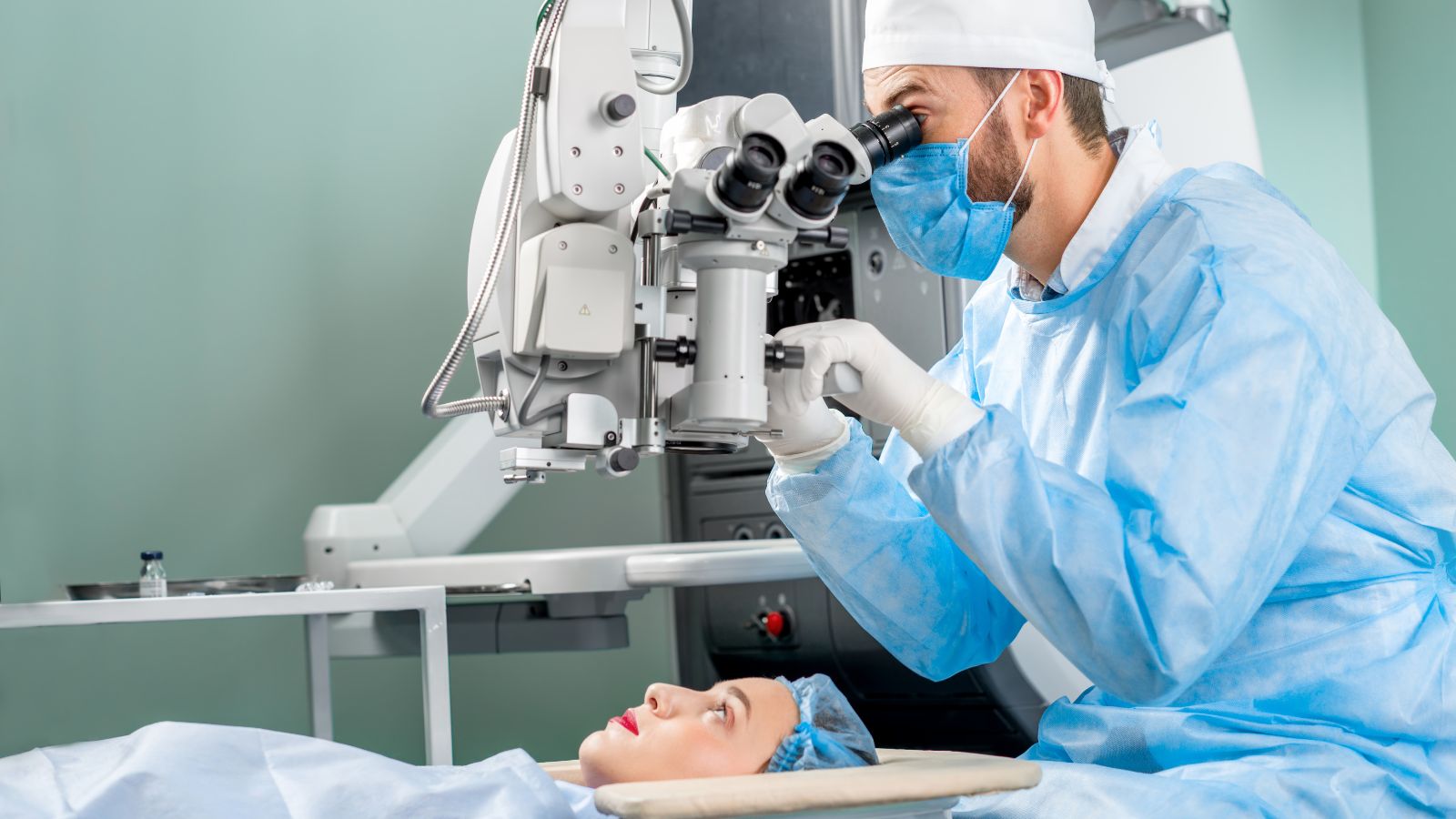
A microkeratome, which is a type of surgical blade, or a femtosecond laser is utilized by the physician in order to form a thin flap in the eye through the process of surgical intervention. After the flap has been gradually raised, it is possible to examine the tissue that is contained within the lens.
For the purpose of repairing the refractive error, a highly specialized excimer laser is applied to modify the shape of the cornea. This is done in order to fix the situation. A computer is responsible for directing the laser, and it will adjust itself based on the way your eyes look before and later. Under these circumstances, it is ensured that it will always operate without any problems.
Following the process of reshaping the flap, it is then gently reinstalled in the position it was in before. Considering that the cornea does not require stitches in order to recover, this procedure is carried out. Discover more here.
What to Expect During Recovery?
The quick recovery time is one of the main advantages of Lasik eye surgery in NYC, folks. Although most people experience an improvement in their eyesight during the first day, it may take a few days for everything to settle down. When you’re initially getting back on your feet, it’s especially important not to rub your eyes.
In order to monitor the healing process and ensure everything is proceeding according to plan, surgeons typically arrange for follow-up appointments. Avoid causing dry eyes after LASIK by reducing screen time in the days following the procedure and by using artificial tears to keep your eyes wet. A bit extra time could be necessary if your profession demands extensive computer use. Two days is the usual recovery time for most individuals.
Choosing the Appropriate Surgeon
To ensure successful LASIK treatment, it is crucial to choose an appropriate specialist. You should look for a surgeon in New York City with a stellar reputation. Knowledgeable surgeons are better equipped to handle novel and challenging cases.
It is of equal importance to locate a healthcare center that utilizes cutting-edge technology. When the corneal flap is created using a laser instead of a blade, it is referred to as bladeless LASIK. Another benefit of wavefront technology is that it guarantees a perfect fit for each patient’s eyes.
You can find out if the surgeon is a good fit for you by reading reviews and comments about them online. Accurate information regarding potential dangers, expenses, and recovery processes will also be provided by your healthcare provider.
The Cost
Surgery typically ranges from $2,000 to $3,500 per eye. Everything from the doctor’s degree of experience to the complexity of your prescription to the state of the art in technology determines the final pricing.
Two more sophisticated approaches, wavefront-guided LASIK and bladeless LASIK, are often more expensive but more effective. Highly regarded doctors with extensive training and experience may demand a premium fee, but their expertise is often well worth it.
Certain clinics provide packages that cover everything from first consultations to follow-up appointments, cosmetic procedures (if necessary), and even guarantees that your results will last.
Although LASIK is not covered by most insurance policies, the procedure can be paid for using a Health Savings Account (HSA) or a Flexible Spending Account (FSA). We accept a variety of payment methods. You can put money aside specifically for LASIK surgery in a tax-deferred account, which can make a big difference.