
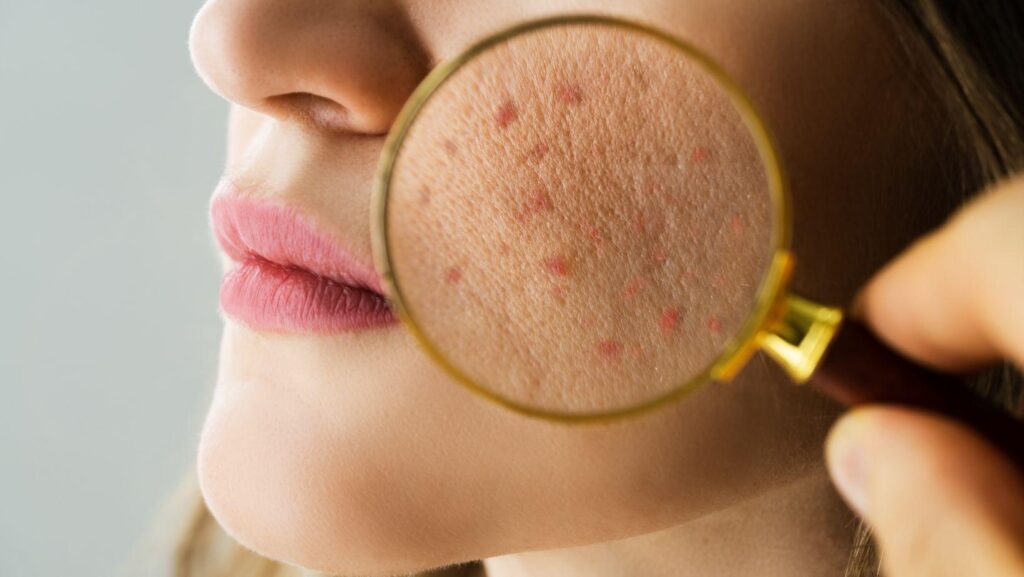
Skin health discussions often center on facial routines, but hands take the brunt of daily environmental damage. Frequent washing, harsh industrial soap, exposure to cold weather, and manual labor break down the epidermal barrier faster than almost any other part of the body. When the lipid layer degrades, micro-fissures develop, leading to painful stinging, chronic dryness, and heightened sensitivity.
Standard cosmetic lotions typically offer a temporary fix. Most off-the-shelf options rely heavily on superficial emollients that sit on top of the skin, giving a momentary feeling of smoothness without addressing the structural moisture deficit underneath. When the product washes off, the skin returns to its cracked, compromised state. Restoring damaged hands requires moving past basic cosmetics toward formulaic barrier repair.
Understanding the Mechanics of Severe Dryness
To repair compromised skin, a formula needs three distinct components: humectants to pull moisture into the stratum corneum, emollients to smooth rough skin cells, and occlusives to lock that moisture in.
When these three elements are balanced, skin repairs itself from the inside out rather than relying on a continuous, ineffective surface coating.
Selecting Formulas That Fix Rather Than Mask
Most consumer hand creams fail because they prioritize fast absorption and heavy fragrance over functional repair. Highly fragranced products often exacerbate inflammation on cracked skin, causing burning or contact dermatitis.
For hands subject to heavy wear—whether from trade work, healthcare duties, gardening, or frequent hand sanitizing—a targeted treatment like the best hand lotion relies on a high concentration of active humectants like 10% urea alongside protective barrier agents. High-potency formulas do not just sit on the surface; they actively soften hardened calluses and restore elasticity to deep cracks within days.
When evaluating hand care products for genuine repair, look for these key indicators:
Daily Protocols for Barrier Restoration
Rebuilding severely dry hands requires a consistent approach. Applying cream once a day before bed rarely counters eight to twelve hours of constant stripping.
The Long-Term Return on Targeted Hand Care
Treating hand dryness as a legitimate health concern rather than an aesthetic inconvenience changes how quickly skin recovers. By prioritizing functional ingredients like urea and protective occlusion over perfumed cosmetic creams, you stop the cycle of chronic cracking and discomfort. Healthy skin acts as your body’s primary defense barrier—giving your hands the functional support they need keeps that barrier intact no matter what your daily routine throws at it.