
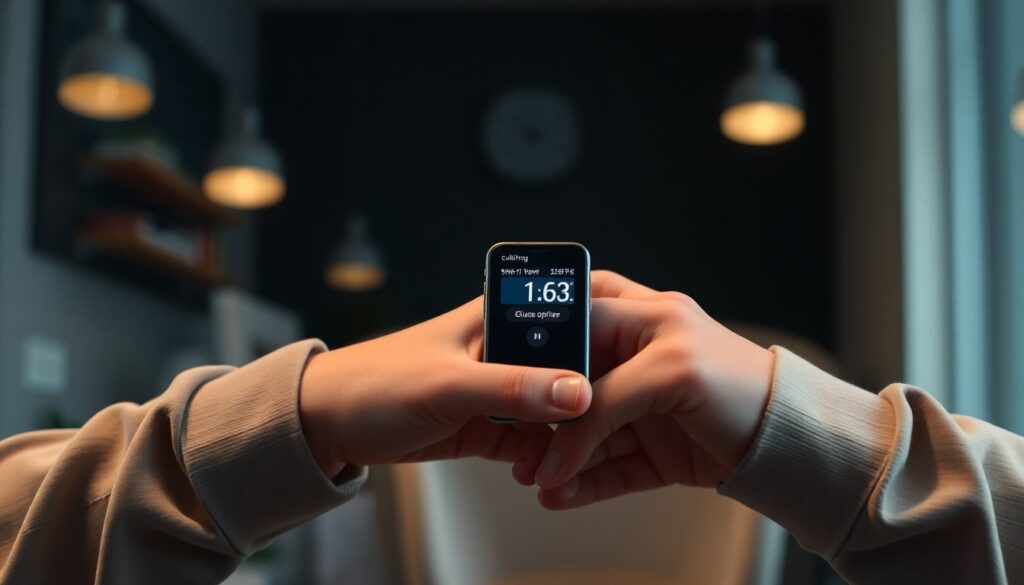
TimesHealthMag Glucose Optimizer gadget specs explained appears first here. The article lists the device specs, core functions, and intended users. It explains how the sensor works, how the device connects, and what accuracy data exists. The text uses clear language and direct facts. The goal is to let readers decide quickly if the device fits their needs.
Key Takeaways
- The TimesHealthMag Glucose Optimizer device features a small, lightweight sensor that continuously measures glucose via a microneedle array and reports data every minute.
- It offers seamless Bluetooth Low Energy connectivity with an app compatible with iOS, Android, Apple Health, and Google Fit, ensuring real-time glucose tracking and secure data encryption.
- The device’s rechargeable battery supports 14 days of monitoring with fast charging via a magnetic USB-C cradle, combined with durable IP68-rated waterproof and dustproof design.
- Clinical studies demonstrate the Glucose Optimizer’s accuracy with a MARD of 9.6% and regulatory clearances including CE marking and limited FDA listing by 2026.
- Ideal users include adults with type 2 diabetes or those seeking continuous glucose monitoring without finger sticks, while careful patch application and initial calibration are essential for optimal performance.
- The device’s app provides trend alerts and supports data sharing with caregivers, promoting proactive glucose management alongside clinician guidance.
Quick Overview And Key Technical Specs
TimesHealthMag Glucose Optimizer gadget specs explained begin with the core kit contents. The device ships with a single sensor module, a disposable adhesive patch, a compact charger, and a quick-start guide. The sensor size measures 42 mm by 9 mm. The sensor weight equals 6 grams. The device samples interstitial fluid every 5 seconds and reports averages every 1 minute. The sensor stores up to 14 days of raw data locally. The device supports BLE 5.2 and Bluetooth Low Energy profiles for health data. The operating temperature range runs from 0°C to 45°C. The device rating equals IP68 for dust and water resistance.
Design, Build Quality, And On-Body Comfort
TimesHealthMag Glucose Optimizer gadget specs explained highlight the casing material and patch design. The housing uses medical-grade ABS with a soft-touch finish. The patch uses hypoallergenic silicone adhesive. The adhesive aims for secure wear during light exercise and daily showers. The sensor profile stays low to reduce snagging under clothing. The device uses a flexible skirt to reduce movement on curved skin. The company offers three patch sizes to fit common arm and abdomen shapes. The overall build appears solid in lab photos and early hands-on reviews.
How It Measures Glucose: Core Sensing Technology Explained
TimesHealthMag Glucose Optimizer gadget specs explained include the sensing method. The device uses a microneedle array that samples interstitial fluid. The microneedles measure 0.5 mm and sit below the skin surface. The sensor uses an enzymatic electrochemical reaction to convert glucose concentration into an electrical signal. The onboard ADC converts the signal to digital values. The device applies a calibration algorithm that uses an initial reference test and periodic auto-calibration. The algorithm filters noise and compensates for temperature. The sensor reports trend arrows and numerical glucose values to the app.
Connectivity, App Integration, And Data Privacy
TimesHealthMag Glucose Optimizer gadget specs explained cover connectivity and software. The device pairs with an official app via BLE. The app runs on iOS and Android and supports Apple Health and Google Fit export. The app displays real-time glucose values, 24-hour trends, and downloadable CSV files. The device supports share-as-you-go data links for caregivers. The company encrypts data at rest and in transit with AES-256. The privacy policy states that anonymized data may support product improvement. The company offers an opt-out for data sharing in the app settings.
Battery Life, Charging, And Environmental Durability
TimesHealthMag Glucose Optimizer gadget specs explained list power and durability features. The sensor uses an internal rechargeable cell rated for 14 days of continuous monitoring. The vendor ships a magnetic USB-C cradle for charging that recharges the sensor in 60 minutes. The device supports one full charge per sensor deployment. The housing resists sweat and brief immersion per IP68. The company rates storage conditions and recommends storage between 10°C and 25°C. The device contains standard recycling marks and a user-replaceable adhesive patch only.
Clinical Validation, Accuracy Metrics, And Regulatory Status
TimesHealthMag Glucose Optimizer gadget specs explained reference the reported validation data. The vendor published a 150-person study showing a Mean Absolute Relative Difference (MARD) of 9.6% over 14 days. The device shows tighter accuracy in the 70–180 mg/dL range. The company submitted data to regulators and secured CE marking in 2025. The device holds a limited-access FDA listing as a non-invasive monitoring study device as of Q1 2026. Peer reviewers note the sample size is moderate and call for larger real-world trials to confirm performance across skin types.
Who Should Use The Glucose Optimizer And Practical Usage Tips
TimesHealthMag Glucose Optimizer gadget specs explained help select ideal users. The device suits adults who want continuous glucose insights without daily finger sticks. It suits people with type 2 diabetes, people on lifestyle programs, and health-conscious users. The device may not suit users under 18 or people with severe skin allergies. Practical tips include cleaning the site, applying the patch firmly, and performing the initial reference test as instructed. The app can send alerts for hypo- and hyperglycemia. The vendor recommends consulting a clinician before making medication changes based on device readings.