
Changing the appearance of a smile can be a significant decision. Cosmetic dental treatment may affect tooth shape, colour, proportions, alignment, and the way the smile fits with the rest of the face. While patients may know that they want to improve their smile, they do not always know which treatments are suitable or how the final result may look.
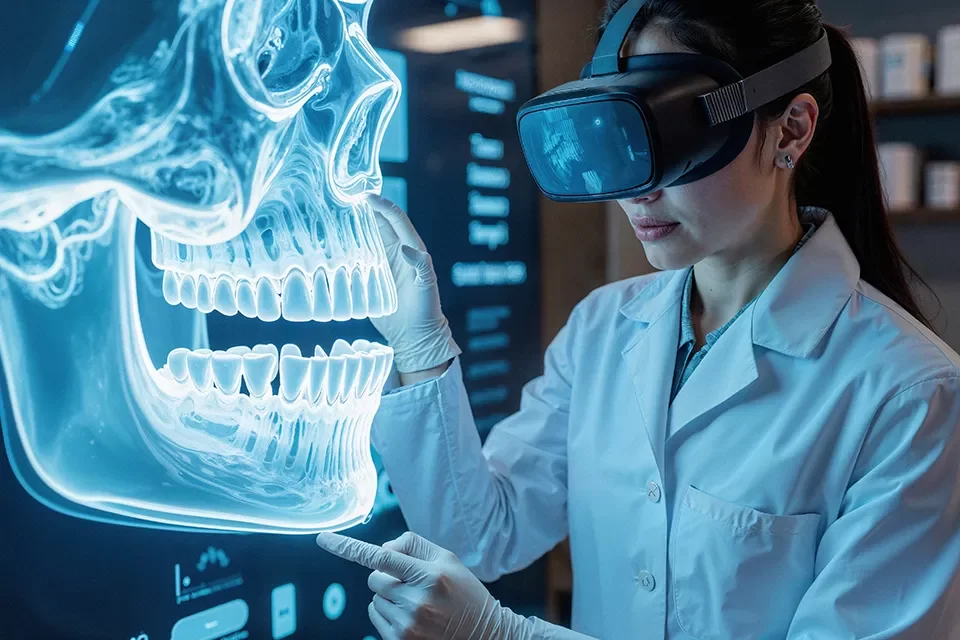
Digital Smile Design helps make this process more visual and collaborative. Instead of relying only on verbal descriptions, dentists can use digital photographs, videos, X-rays, and other records to study the smile and create a visual representation of possible changes.
This planning process allows patients to participate more actively in decisions about their treatment. They can discuss what they like, what they would prefer to change, and whether the proposed design reflects their expectations before certain procedures begin.
What Is Digital Smile Design?
Digital Smile Design is a treatment-planning method used to assess the relationship between a patient’s teeth, gums, lips, facial features, and smile.
A smile does not exist separately from the rest of the face. Teeth that look balanced for one person may appear too wide, too narrow, too long, or too bright for someone else. Digital planning considers individual facial proportions rather than applying the same cosmetic approach to every patient.
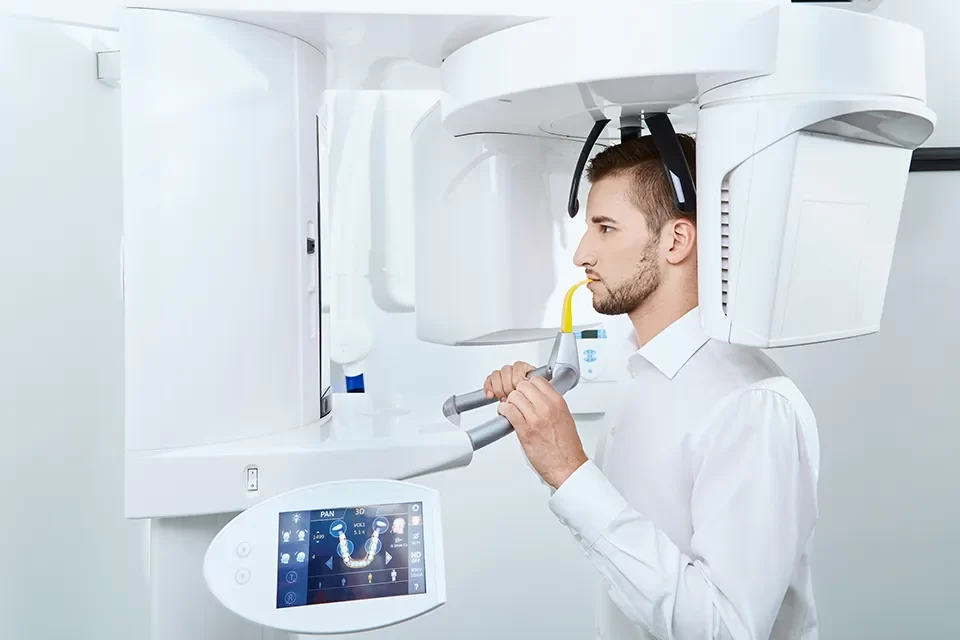
During the process, the dental team gathers visual records of the patient’s teeth and face. These may include photographs from different angles, videos showing natural facial movement, dental X-rays, digital scans, or three-dimensional images.
Specialized software can then be used to study details such as:
- The length, width, and shape of visible teeth
- The amount of gum tissue shown when smiling
- The position of the lips at rest and during movement
- The centre line and general balance of the smile
- The relationship between the teeth and facial features
- The patient’s preferred level of change
The dentist uses this information to develop a proposed smile design and explain which dental treatments may be required to work toward it.
Why Visual Planning Can Be Helpful
One of the challenges of cosmetic dentistry is explaining a visual result before treatment has taken place. Descriptions such as “more even,” “brighter,” or “better proportioned” can mean different things to different people.
A digital simulation gives the dentist and patient a clearer reference point. Rather than discussing an idea in abstract terms, both can look at a proposed design and talk about specific features.
For example, a patient may discover that they prefer a subtle change rather than a dramatic transformation. Another patient may want to adjust the shape of certain teeth without making every tooth look identical. Some patients may focus on symmetry, while others may be more concerned about gaps, worn edges, discolouration, or the amount of gum visible when they smile.
The design is not an absolute guarantee of an exact result. Dental treatment is affected by oral health, tooth structure, healing, materials, and other clinical factors. However, digital planning can create a more informed starting point and help the patient understand what may be achievable.
The Patient’s Preferences Remain Important
Cosmetic dental care should not be based only on technical measurements. Personal preference plays an important role because patients may have different ideas about what makes a smile feel natural.
Some people want a noticeable cosmetic change. Others want their teeth to retain small variations so the result does not look overly uniform. Tooth colour is another personal choice. A very bright shade may suit one patient’s goals, while another may prefer a softer shade that blends naturally with their skin tone and facial appearance.
Digital Smile Design gives patients an opportunity to express these preferences during the planning stage. The dentist can discuss what is clinically appropriate while also listening to the patient’s concerns and expectations.
This communication can be especially valuable when more than one treatment option is available. Patients can compare possible approaches and understand why a dentist may recommend a particular sequence of care.
What Happens During a Digital Smile Design Consultation?
The process usually begins with a dental examination. Before planning cosmetic changes, the dentist must check the health of the teeth, gums, bite, and supporting structures.
Untreated cavities, gum disease, infection, or other oral health concerns may need attention before cosmetic procedures are considered. Creating an attractive design is only one part of treatment. The proposed changes must also support comfortable function and long-term oral health.
The consultation may include a discussion of what the patient would like to change about their smile. It can be helpful for patients to describe specific concerns rather than simply saying they dislike their teeth.
Common concerns may include:
- Uneven or worn tooth edges
- Spaces between teeth
- Teeth that appear too small or too large
- Discolouration that does not respond to whitening
- Minor crowding or alignment concerns
- Old restorations that no longer blend with nearby teeth
- Excess gum display
- An uneven smile line
After the discussion and examination, the dental team collects the required photographs, videos, scans, or X-rays. These records are used to examine the smile from multiple perspectives.
The dentist can then prepare a proposed design and explain the treatments that may be involved. Depending on the patient’s needs, the plan might include whitening, cosmetic bonding, veneers, crowns, orthodontic treatment, gum contouring, tooth replacement, or a combination of procedures.
Not every patient will need several treatments. In some cases, a relatively limited change may be enough to improve balance and address the patient’s main concern.
Digital Planning Does Not Replace Clinical Assessment
Digital technology can provide valuable information, but it does not replace a dentist’s clinical judgement. A simulation may show how a certain tooth shape could look, but the dentist must still determine whether that shape is compatible with the patient’s bite, enamel, gum health, and available tooth structure.
For example, changing the length of a front tooth may affect the way the upper and lower teeth meet. Covering a discoloured tooth may require a different approach depending on whether the tooth is healthy, heavily filled, cracked, or previously treated with root canal therapy.
The dentist must also consider how much natural tooth structure would need to be altered. A responsible treatment plan should aim to preserve healthy tissue whenever possible and avoid unnecessary procedures.
Digital Smile Design is most useful when visual planning and clinical assessment work together. The technology helps illustrate the plan, while the dentist determines whether it is safe, realistic, and appropriate for the patient.
Which Treatments Can Be Included in a Smile Plan?
Digital smile planning can support several areas of cosmetic and restorative dentistry.
Teeth whitening may be discussed when the main concern is staining or a generally darker tooth shade. Cosmetic bonding may be considered for small chips, spaces, uneven edges, or minor shape changes.
Veneers can sometimes be used to adjust the visible surfaces of selected teeth, while crowns may be appropriate when teeth require greater structural support. Orthodontic treatment may be recommended when tooth movement would produce a healthier or more conservative result than reshaping the teeth.
Missing teeth may require planning for a dental implant, bridge, or another form of replacement. Gum treatment may also be part of the plan when gum health or gum levels affect the appearance of the smile.
A patient does not automatically need all of these procedures. The purpose of the planning process is to identify which treatments, if any, match the patient’s oral health needs and personal goals.
Questions Patients Should Ask
Before beginning treatment, patients should understand the recommended procedures, expected timeline, limitations, maintenance requirements, and costs.
Useful questions can include:
- Which concerns can be addressed through treatment?
- Are there less invasive alternatives?
- Will any healthy tooth structure need to be removed?
- How many appointments may be required?
- Which parts of the treatment are cosmetic?
- How long are the proposed restorations expected to last?
- What maintenance will be needed afterward?
- What parts of the digital design may change during treatment?
- Are there oral health problems that should be treated first?
Patients should also ask for clarification when they do not understand a proposed change. The consultation is an opportunity to develop realistic expectations rather than rushing into a decision.
Accessing Digital Smile Planning in Richmond Hill
Oris Dental Clinics provides Digital Smile Design in Richmond Hill for patients who want a more visual and personalized approach to planning cosmetic dental treatment.
The clinic uses photographs and other digital records to study the relationship between the teeth, gums, lips, jaw, and facial features. A proposed design can then be discussed with the patient before the related dental procedures are carried out.
Oris Dental Clinics is located at 10909 Yonge Street, Unit 34, Richmond Hill, Ontario L4C 3E3. The Yonge Street location makes the clinic accessible to patients within Richmond Hill as well as those travelling from nearby communities.
The clinic regularly serves patients from Oak Ridges, Lake Wilcox, Maple, Patterson, Thornhill Woods, Bayview Glen, Buttonville, Unionville, and King City. This local reach can be useful when a treatment plan involves multiple appointments for consultation, preparation, treatment, and follow-up care.
A More Collaborative Way to Plan a Smile
Cosmetic dentistry is personal. Two patients with similar dental concerns may choose very different treatment goals based on their preferences, facial features, lifestyles, and comfort levels.
Digital Smile Design provides a structured way to explore those differences. By combining clinical information with visual planning, it helps patients understand what may be possible and gives them a clearer role in the decision-making process.
The most appropriate plan should consider appearance, oral health, function, and the preservation of natural tooth structure. Patients considering cosmetic changes should begin with a proper examination and an honest discussion about their goals.
A digital preview cannot replace the skill required to carry out treatment, and it should not be treated as a promise of an identical outcome. Its value lies in improving communication, clarifying expectations, and helping the dentist and patient work toward a result that feels considered rather than uncertain.