
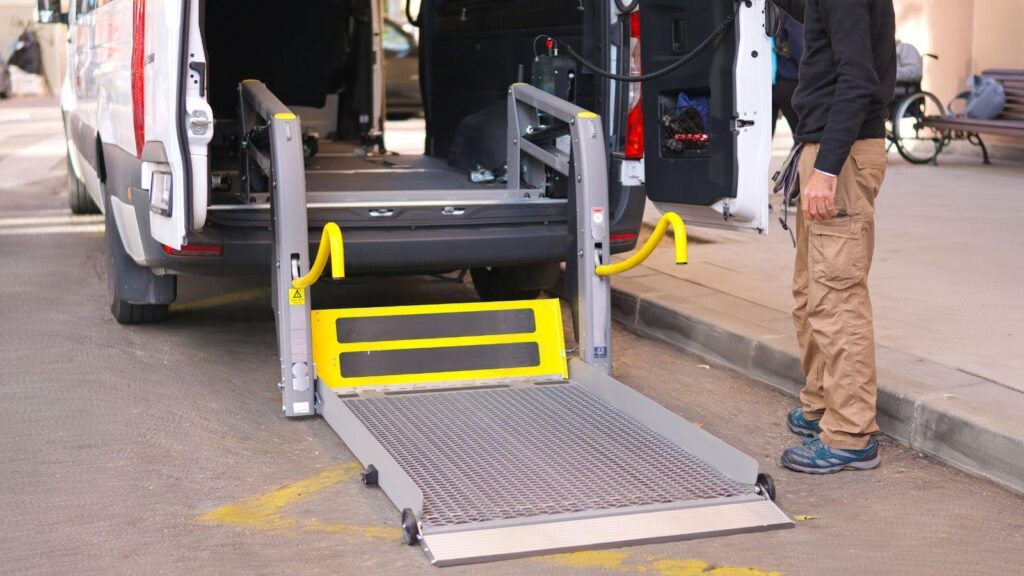
The equipment most of us never think about until we need it
When something goes wrong, an ambulance shows up and a team of paramedics moves quickly. A stretcher rolls out of the back, a patient is loaded, the doors close, and the truck heads to the hospital. Most of us never think twice about the gear involved. But the equipment used in that two-minute interaction is the result of decades of engineering, and understanding it makes a real difference for patients, family members, and anyone caring for a loved one with a long-term illness.
This piece walks through the equipment that actually carries patients in U.S. ambulances and hospitals, what makes it different from anything you can buy at a pharmacy, and why the same handful of names appear across so many care settings.
What a modern stretcher really is
A modern ambulance stretcher is a powered piece of medical equipment, not a folding cot. It has a hydraulic or fully electric lift system, a wheeled base that locks into the floor of the ambulance, side rails that fold for patient access, an IV pole, oxygen mounts, and a load capacity often well above 700 pounds. Some models are designed to load themselves into the ambulance, which dramatically reduces back injuries among paramedics, who suffer some of the highest occupational injury rates of any U.S. profession.
The cot system in the back of the ambulance, the stair chair used to bring a patient down a narrow staircase, the transfer board that moves a patient from a bed to the stretcher, and the stretcher in the emergency department are all part of one connected workflow. If any single piece of that chain is undersized or incompatible, the patient experience suffers and the crew works harder than they should.
Why a small group of manufacturers dominate the field
If you ride in an ambulance in the U.S., the cot underneath you is statistically very likely to be from one of two or three manufacturers. The cots, stair chairs, and powered stretchers used in U.S. ambulances and hospitals are usually built by a small handful of medical equipment manufacturers, with stryker stretchers being among the most widely used in EMS and hospital settings nationwide.
The reason a few brands dominate is straightforward. EMS agencies and hospitals need parts, accessories, and replacements to be interchangeable across their fleet. They need crews to be trained on a consistent platform. And they need equipment that meets federal crash safety standards, which is not a trivial bar to clear. Once a manufacturer earns that trust, switching costs are high.
How equipment moves between hospitals, EMS agencies, and home healthcare providers
Hospitals replace stretchers on a multi-year cycle. EMS agencies cycle their cots faster because of the wear they take. Equipment that comes off a hospital or EMS rotation often still has years of useful life left, especially when it is professionally inspected, refurbished, and recertified.
That is where specialized medical equipment suppliers come in. Specialized suppliers like Stretchers R Us, a New Jersey-based division of JJJ Medical, distribute new and certified-refurbished Stryker stretchers, stair chairs, ambulance cots, and EMS accessories to hospitals, EMS agencies, and home healthcare providers, which is part of why the same models tend to show up across very different care settings. The refurbishment process generally includes mechanical inspection, parts replacement, sanitization, and recertification to manufacturer specifications, which is why a refurbished cot is not the same thing as a used one bought through a general resale channel.
The home healthcare angle
The fastest-growing user of EMS-grade equipment in the U.S. is not a hospital or an ambulance company. It is the home healthcare segment. As more care is delivered in patients’ own homes, agencies are sourcing the same stair chairs, transfer cots, and stretchers that EMS uses to safely move patients between floors, in and out of vehicles, and during recovery from major surgeries.
For families navigating long-term care at home, that has a practical implication. The stair chair a paramedic uses to evacuate a patient from a third-floor walkup is the same general piece of equipment a home health agency might bring to your home for a more involved transfer. Knowing that the equipment is designed to professional specifications, with weight ratings, certified materials, and serviceable parts, can quietly take a lot of the anxiety out of those situations.
What patients and families actually benefit from knowing
You do not need to memorize model numbers. But a few things are useful to keep in the back of your mind. The stretcher in the ambulance is rated for far more than your weight. The stair chair the crew brings up your stairs is built specifically for that job and is operated by people trained on that specific model. The cot you see in the emergency department is built to slide cleanly between care settings without disturbing the patient on it.
Most of us go our whole lives barely paying attention to this layer of healthcare. But for the moments when it matters, knowing how the system works, who builds the equipment, and where it comes from can take a complicated, stressful experience and make it feel a little more understandable.
FAQs
What is the difference between a modern ambulance stretcher and a basic medical cot?
Modern ambulance stretchers are advanced medical transport systems with hydraulic or electric lift functions, locking mechanisms, safety rails, and high weight capacities. They are designed for safe patient movement and to reduce injuries for medical crews.
Why do hospitals and EMS agencies use the same stretcher brands?
Many healthcare providers use the same manufacturers because the equipment is reliable, standardized, and compatible across ambulances, hospitals, and care facilities. This consistency helps improve training, maintenance, and patient transfers.
Are refurbished medical stretchers safe to use?
Yes. Professionally refurbished stretchers are inspected, repaired, sanitized, and recertified to meet manufacturer standards. They are different from secondhand equipment sold without proper medical inspection.
How is EMS equipment used in home healthcare settings?
Home healthcare providers increasingly use EMS-grade equipment such as stair chairs and transfer cots to help move patients safely during in-home care, recovery, or long-term treatment situations.
Why are stair chairs important in patient transport?
Stair chairs are specifically designed to move patients safely through staircases, narrow hallways, and tight spaces. They help reduce strain on caregivers while improving patient safety during transport.