
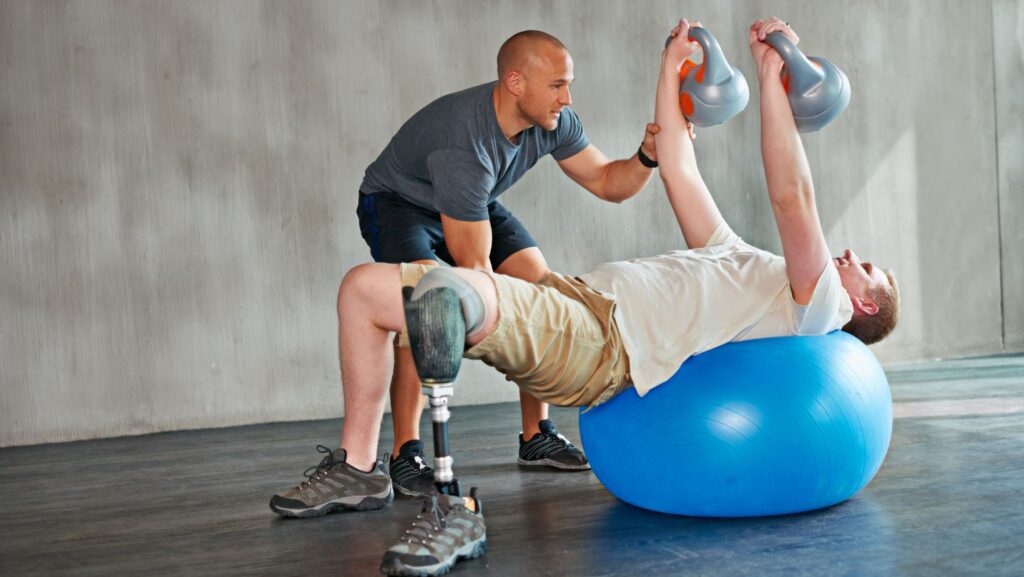
Upper body rehabilitation plays a crucial role in helping individuals regain strength, flexibility, and independence after an injury, surgery, or chronic condition. Whether you’re recovering from a sports injury, repetitive strain, or a surgical procedure, upper body rehab supports the healing process and ensures long-term functionality. In this guide, we’ll walk you through what to expect and how to make the most of your recovery journey.
Understanding Upper Body Rehabilitation
Upper body rehabilitation is a structured process aimed at restoring mobility and strength in areas like the shoulders, arms, elbows, wrists, and upper back. It’s often prescribed after acute injuries, surgical procedures, or overuse conditions that impair daily functions such as lifting, reaching, or carrying.
The main goals of rehabilitation are to:
- Restore the full range of motion
- Reduce pain and inflammation
- Rebuild muscular strength and endurance
- Prevent future injuries through proper movement mechanics
Each rehab plan is tailored to your specific condition and may vary in intensity and duration.
Early Recovery and Pain Management
The first phase of recovery typically involves pain management and reducing inflammation. Rest is essential, but complete immobility can lead to stiffness, so balance is key. Cold and heat therapy are commonly used in this stage, cold to reduce swelling and heat to improve circulation once the acute phase has passed.
It’s also important to listen to your body. Pain is a signal, not something to push through. Overusing medication should be avoided unless prescribed. As discomfort subsides, gentle range-of-motion exercises and passive stretches may be introduced under the guidance of a physical therapist.
The Role of Physical Therapy
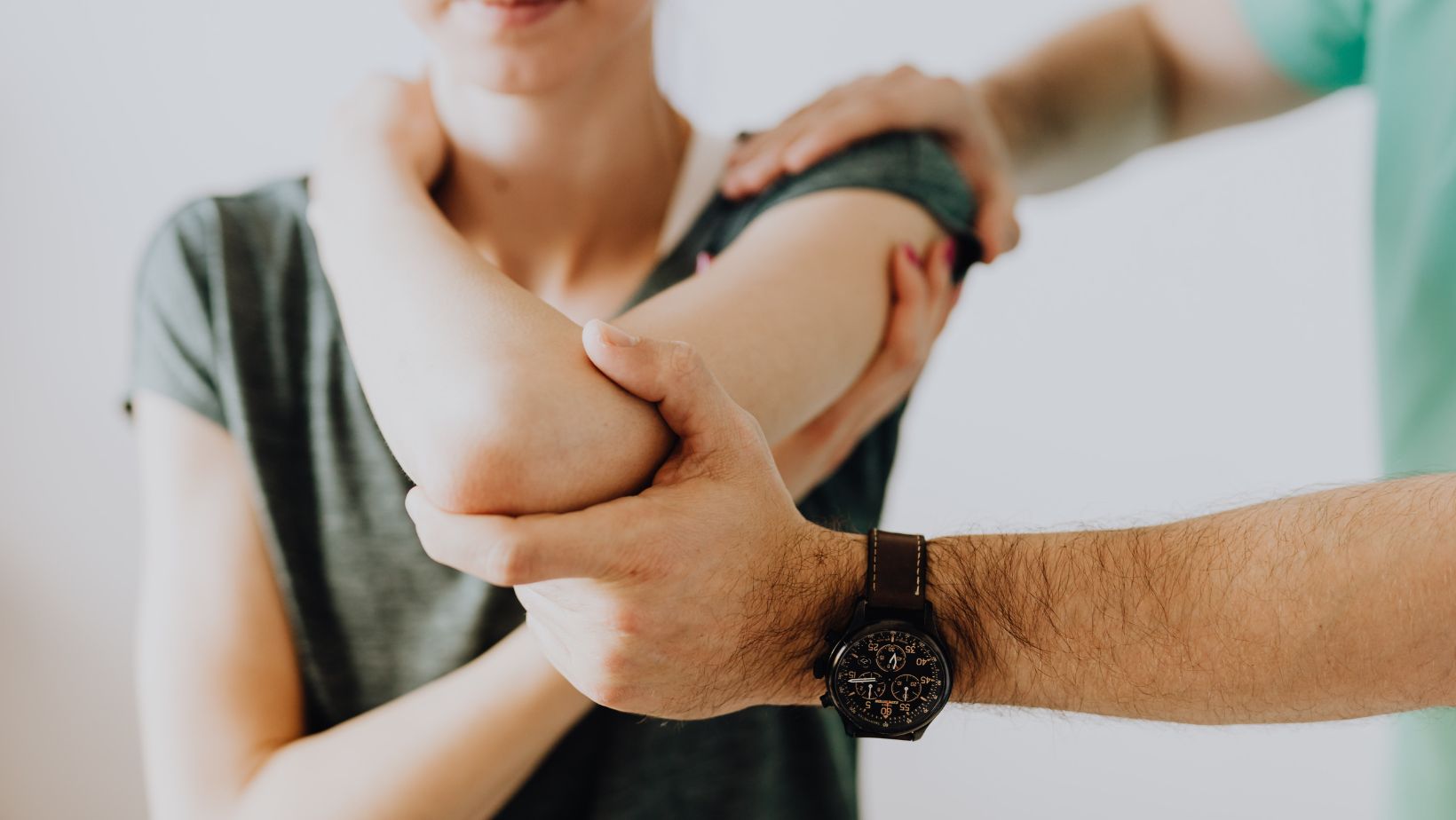
Physical therapy is a cornerstone of upper-body rehab. It not only helps you regain mobility but also ensures that you’re moving correctly and safely. A physical therapist will assess your current abilities, limitations, and goals to develop a personalized plan.
Common techniques include:
- Manual therapy for joint and soft tissue mobilization
- Targeted stretching to increase flexibility
- Strength training using resistance bands or body weight
- Postural correction and movement retraining
Sessions may be conducted in a clinic, at home, or virtually, depending on your needs and access. Consistency and clear communication with your therapist will contribute significantly to your recovery.
Focus on Shoulder Surgery Recovery
Among all upper body injuries, shoulder issues are some of the most complex and challenging. The shoulder joint offers a wide range of motion but is inherently unstable, making it susceptible to dislocations, rotator cuff tears, arthritis, and other conditions. When non-surgical treatments don’t offer relief, surgery may be necessary.
Post-surgery recovery is a structured, gradual process. You may need to wear a sling for several weeks to protect the joint and minimize strain. Initially, you’ll focus on reducing swelling and maintaining passive mobility with light exercises.

As healing progresses, active movements and resistance exercises are gradually introduced to rebuild strength and function. Patients must be diligent about follow-up appointments and physical therapy to avoid complications and ensure a full recovery.
For those considering surgical options, it’s important to consult with specialists who can provide expert care. Visit Modern Orthopaedics for shoulder surgery options in New Jersey and receive personalized guidance from experienced orthopedic professionals.
Building Strength and Mobility Over Time
Once the initial healing stage is complete, the focus shifts to restoring full strength and mobility. This phase can last several weeks or even months, depending on the severity of the injury and surgical outcomes.
Functional strength exercises, such as push-ups, rows, and overhead presses, are reintroduced slowly. Tools like resistance bands, light dumbbells, and grip trainers can help target smaller stabilizing muscles. Always follow your therapist’s advice to prevent setbacks and overuse injuries.
It’s also essential to correct any movement patterns that may have contributed to the original injury. Improving posture, shoulder stability, and alignment will support long-term health.
Staying Motivated and Tracking Progress
Rehabilitation can be mentally and emotionally demanding. Tracking your progress with a rehab journal or fitness app can provide motivation and perspective. Celebrate small wins, like regaining full arm extension or being able to carry groceries without discomfort.
Joining a support group or connecting with others who’ve gone through a similar experience can also be encouraging. Don’t be discouraged by setbacks; plateaus are common, but with consistency, progress will follow.
Start Today, Stay Consistent
Upper body rehabilitation is a journey that requires patience, persistence, and the right guidance. By understanding your injury, following a structured plan, and staying committed to your recovery, you’ll be well on your way to regaining strength, flexibility, and confidence in your daily movements.
Whether you’re just beginning or in the later stages of recovery, keep going. Your future mobility is worth every step.