
Key Takeaways:
- A child’s first dental visit helps build early trust in health care settings
- Delaying check-ups can lead to preventable issues with development and decay
- Local clinics and familiar staff can reduce anxiety in young children
- Gentle, age-appropriate care helps create positive long-term dental habits
You probably remember your first trip to the dentist—maybe the smell of the room, the sound of the tools, or the nervous flutter in your stomach. For your child, that first visit is a new experience entirely, and how it’s handled can shape how they view dental care for the rest of their lives. It’s not just about checking for cavities. It’s a chance to build confidence, create positive associations with health care, and set up habits that stick well into adulthood. That early exposure can be surprisingly powerful.
When you approach that first appointment with calm, curiosity, and a bit of preparation, everything changes. Kids don’t need a perfect smile on day one—they need to feel safe, seen, and understood. And that starts long before they lean back in the chair.
What Early Dental Visits Really Teach Your Child
At a glance, that first appointment might seem routine. No big procedures, no major concerns, maybe not even a full cleaning. But there’s more going on under the surface.
The main goal isn’t just clinical—it’s emotional. Children are learning how to behave in a new environment, how to interact with unfamiliar adults, and what it means to take care of their own health. Even if they’re too young to grasp it all, those small moments matter. Sitting in the chair, hearing simple explanations, and being praised for cooperating gives them a sense of capability.
It also teaches that dental visits aren’t something to fear or avoid. When the experience is age-appropriate and unrushed, it tells them that these check-ups are a normal part of life. They’re not being dragged in because something’s wrong. They’re being welcomed in as part of staying well.
This kind of early exposure is one of the quiet foundations of preventive health care. Children who feel safe and respected in medical settings are more likely to speak up, ask questions, and engage with their health down the track. It’s not just a dental visit—it’s a stepping stone into the broader world of self-care.
Common Mistakes Parents Make When Delaying Check-Ups
Many parents wait longer than they should. It’s understandable—if your child isn’t in pain, it’s easy to assume everything’s fine. But early childhood is exactly when those small problems start to form, often without any apparent signs.
Delaying that first visit means missing out on guidance that could prevent future issues. For example, habits like thumb-sucking or bottle feeding at night might seem harmless, but they can affect jaw development and tooth alignment if left unchecked. Early decay can also go unnoticed until it requires more invasive treatment. Regular check-ups catch these things before they become bigger (and more expensive) problems.
Beyond the physical side, there’s also the emotional cost. If a child’s first dental experience happens when they’re already in pain or frightened, it’s much harder to make them feel comfortable. That stress can shape how they react to future visits—even when there’s nothing wrong.
Timing matters, and so does familiarity. Visiting a dentist Kew locals often recommend can make the process easier. It means the practice is close to home, probably sees other families from your area, and understands what local parents are looking for in a first dental experience. That sense of community and routine builds trust over time.
Why Familiar Faces and Local Clinics Make a Difference
Young children thrive on routine. They feel safer when they know what to expect and who they’ll see. That’s why choosing a local dental clinic can make such a difference, especially for first visits. Familiarity lowers anxiety, and when a place becomes part of their regular life—like walking past the clinic on the way to school—it doesn’t seem so strange anymore.
Neighbourhood practices also make things easier for parents. Quick appointments after daycare, emergency slots when something chips or aches, and the relief of not sitting in traffic with a nervous toddler in the back seat all count for something. And when your child sees the same dental assistant or receptionist each time, those friendly faces become part of the experience too.
There’s also a subtle social comfort in knowing other kids from their class or playgroup have been to the same place. If your child hears that their friend also went and got to pick a sticker at the end, it becomes a bit more familiar—and less intimidating.
In short, local clinics aren’t just convenient. They help kids feel like they belong there. And when children feel welcome in a health care setting, they’re far more likely to cooperate, ask questions, and even look forward to going back.
How Dentists Make it Easier for Kids to Feel at Ease
It’s easy to forget how strange a dental chair can feel to someone under five. Bright lights, unfamiliar smells, and a person wearing a mask getting close to their face—none of that comes naturally to a child. Good dentists know this, and they design every part of the visit to make it easier.
For starters, the language changes. Instead of talking about “exams” or “tools,” they might say they’re counting teeth or using a tiny mirror to help the tooth fairy. Many clinics also use visual aids, such as picture books or wall posters, to help explain what’s happening next. These cues give children something to focus on and help them feel informed.
Distraction is another key tool. Some dental rooms have TVs on the ceiling or toys nearby, and even something as small as choosing between two toothpaste flavours can give a child a sense of control. Experienced dentists read body language carefully. If a child starts fidgeting or looking uneasy, they slow down. They might pause the exam, show the child a harmless tool, or let them sit up and take a break.
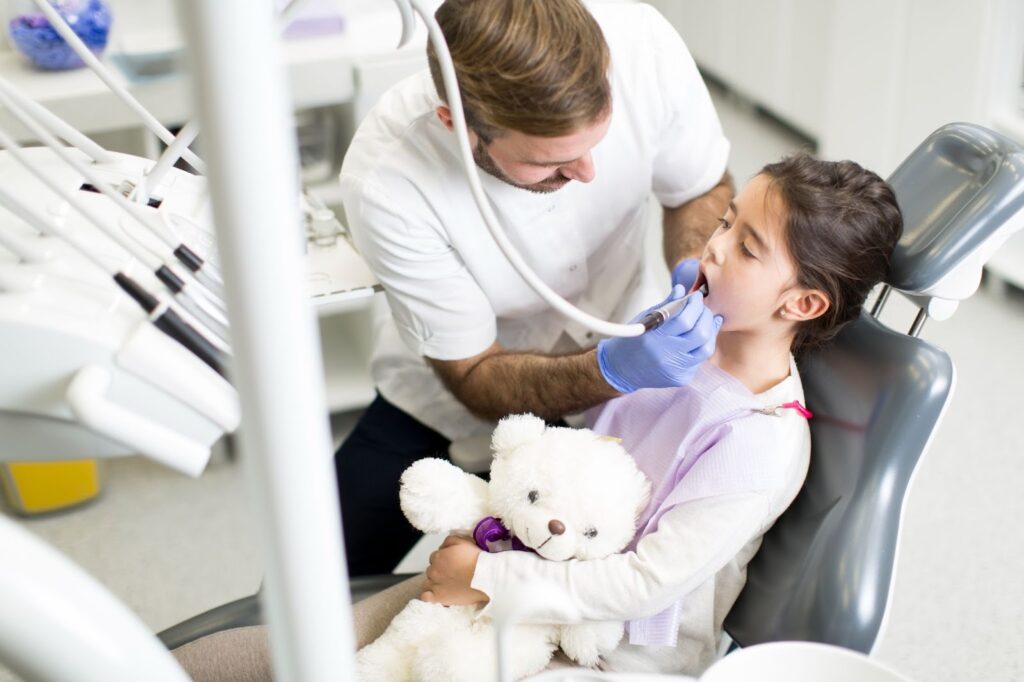
Parents are part of this process too. Sitting nearby, holding a hand, or even doing a “practice visit” with a stuffed animal beforehand can make a real difference. The goal isn’t just to get through the appointment—it’s to help your child feel calm enough to come back next time without a fuss.
And that’s the real win. When kids have positive early dental experiences, they’re more likely to grow into adults who attend regular check-ups without fear or avoidance. That kind of long-term comfort starts with the smallest of details handled with care.
Setting Expectations: What Happens During That First Visit
Parents often feel unsure about what a first dental appointment entails. The truth is, it’s intentionally kept simple. For very young children—especially toddlers—it’s often more of a meet-and-greet than a full check-up. Some dentists will do what’s called a “knee-to-knee” exam, where your child sits on your lap while the dentist gently checks their teeth and gums. This makes things feel less clinical and more like a conversation.
The appointment might include a visual inspection for early decay, guidance around brushing techniques, and a chat about diet or bottle use. If your child is older or more comfortable, a gentle cleaning and fluoride treatment may be included. But there’s no pressure. The goal isn’t to complete a checklist—it’s to build trust.
This visit also gives parents the chance to ask questions. Whether it’s about thumb-sucking, teething pain, or how to brush a wriggly toddler’s teeth without a meltdown, this is the space to get answers without judgment. It’s about supporting families, not correcting them.
Setting expectations early also means fewer surprises. When your child knows the dentist isn’t going to jump straight in with tools or talk over their head, they’re more likely to feel in control. And when parents understand that not every appointment needs to be perfect, the pressure eases all around.
How Early Habits Influence Long-Term Health
The benefits of early dental care go beyond avoiding fillings. They lay down behavioural patterns that stick. When brushing becomes part of the morning and bedtime routine before a child even starts school, it’s just something they do—like washing their hands or putting on shoes. That kind of habit doesn’t need rewards or reminders later on.
Early visits also make it easier to catch alignment problems or jaw development issues while they’re still developing. If intervention is needed, it can often be done more gently and with less impact on the child’s confidence or daily life.
But perhaps the biggest long-term benefit is emotional. Children who grow up seeing dental care as usual are more likely to seek help as adults, stay on top of their health, and avoid the cycle of pain-driven appointments that many people fall into later in life.
In that way, a quiet, short visit when they’re small can shape their relationship with health in ways that last decades. It’s not about making sure every baby tooth is perfect. It’s about giving your child a positive, predictable start that helps them feel in charge of their own wellbeing.