
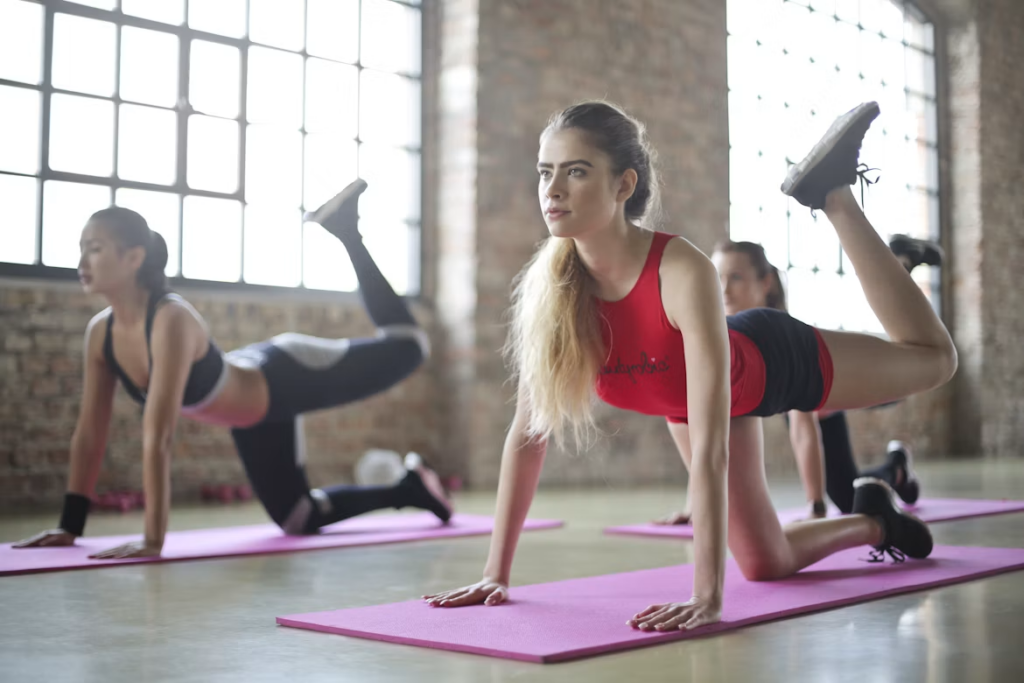
For many Canadians, fitness does not start with a perfect training plan. It starts with a slot in the week that actually survives work, commuting, family schedules, winter weather, and the quiet pull of the couch. That is why weekend sport has become such a practical bridge between health goals and real life.
A Saturday soccer match, a Sunday rink session, a community basketball run, or a long trail walk can do more than fill free time. It gives movement a social reason to happen. The same sport culture now includes highlight clips, league updates, training apps, and for some fans, reference pages such as https://rg.org/en-ca/sportsbooks/review/20bet/bonuses, but the healthier foundation is still the same: showing up, moving well, and making activity feel normal.
Why weekend sport fits Canadian routines
The most effective fitness habit is often the one that feels least complicated. Weekend sport works because it gives people a clear time, a clear place, and a clear purpose. Instead of asking someone to “exercise more” in a vague way, it turns activity into a plan: meet at the field, bring skates, join the group, play for an hour.
That matters in Canada, where seasonal routines can change quickly. Summer might mean cycling, softball, tennis, or lakefront running. Winter shifts the rhythm toward hockey, indoor soccer, swimming, gym courts, skiing, snowshoeing, or brisk walks through neighbourhood trails.
The key is flexibility. A person does not need to train like an athlete to benefit from sport. They need a repeatable reason to move, and weekends often provide the space to make that reason stick.
How it supports an active lifestyle
Canadian physical activity guidance for adults points to at least 150 minutes of moderate-to-vigorous activity each week. That target can sound large when viewed as a single obligation, but sport breaks it into something more manageable. A weekend match, practice, skate, hike, or doubles game can cover a meaningful part of the week before Monday even arrives.
Sport also brings intensity without making every minute feel like a workout. Chasing a loose ball, skating through shifts, climbing a hill, or rallying through a tennis point naturally changes pace. That mix of slower movement and sharper bursts can feel more engaging than counting minutes on a machine.
The benefits go beyond endurance. Many sports involve balance, coordination, strength, and reaction time. Even casual play asks the body to turn, stop, brace, reach, and recover, which supports a broader kind of fitness than simple step-counting.
Why the social side matters
One reason weekend sport lasts is that it gives people accountability without turning health into homework. A group chat, a team schedule, or a regular partner can do what motivation alone often cannot. It creates a gentle expectation to appear.
That social layer is especially useful for adults who already spend much of the week sitting, driving, or working indoors. The point is not only to burn energy. It is to reconnect movement with people, places, and a feeling of momentum.
Good weekend sport habits usually have a few shared traits:
This is why recreational leagues, walking groups, pickup games, and community facilities matter. They lower the barrier between thinking about fitness and actually moving.
How to make weekend sport sustainable
The biggest mistake is treating weekend sport like a dramatic reset button. Someone who sits most of the week and then goes all-out for two hours is more likely to feel sore, frustrated, or inconsistent. A better approach is to build gradually.
Start with a level that feels almost too easy. Add warm-ups, light mobility, and a short cool-down. Keep the first few weeks focused on rhythm rather than performance. The goal is to finish with enough energy to come back next weekend.
It also helps to pair sport with small weekday habits. A 20-minute walk after dinner, a short strength session, or a few mobility exercises can make weekend play feel better. That support work does not need to be intense. It simply prepares the body for the sport people actually enjoy.
Equipment should stay simple too. The right shoes, weather-appropriate layers, a water bottle, and basic safety gear matter more than expensive extras. The less complicated the setup feels, the easier it is to repeat.
The practical takeaway
Weekend sport is not a magic solution, but it is a realistic one. It works because it connects fitness to enjoyment, routine, and community. For Canadians trying to be more active, that combination can be more durable than another ambitious plan that disappears by Wednesday.
The best habit is the one a person can return to through different seasons of life. Weekend sport offers exactly that: movement with a reason, structure without pressure, and a healthier rhythm that feels less like a task and more like part of the week.