
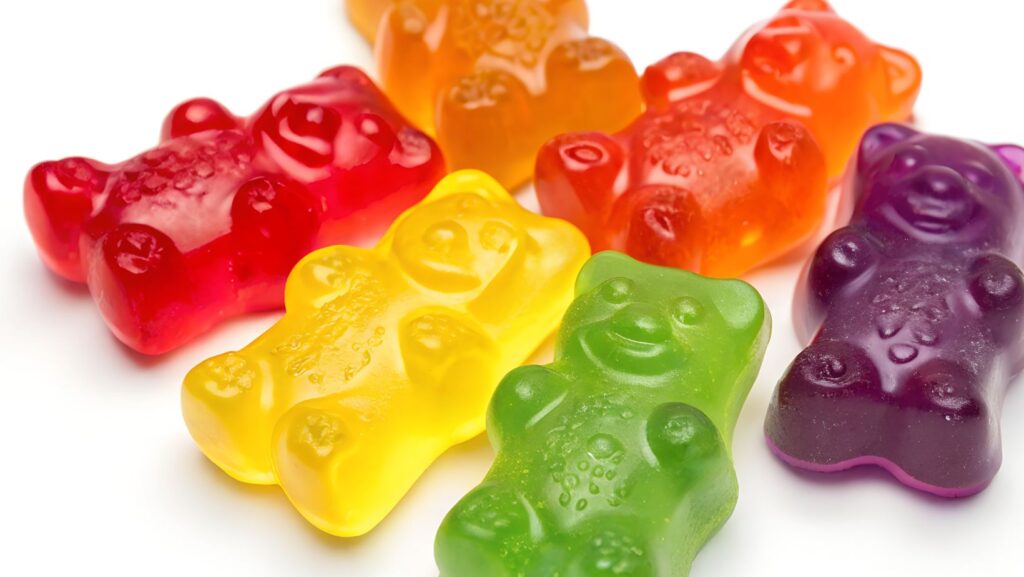
Walk through any pharmacy or wellness store and you’ll notice sleep gummies dominating entire shelves that once belonged to capsules and teas. This isn’t random product placement—it reflects a fundamental shift in how people approach sleep supplements. Despite tinctures offering faster absorption and capsules providing precise dosing, gummies have captured consumer preference across demographics. Understanding why reveals insights into product design, consumer psychology, and how packaging choices build or destroy trust in the crowded sleep supplement market.
The gummy format addresses several pain points that other delivery methods create. People struggling with sleep don’t want complicated routines—they want something simple that fits into the five minutes before bed when they’re already exhausted. A sleep aid needs to work without adding stress, and gummies deliver on that promise better than alternatives that require measuring, brewing, or swallowing large pills. The format itself communicates ease, which matters enormously when you’re targeting people whose sleep problems often stem from or worsen anxiety.
The Familiarity Factor Nobody Talks About
Gummies benefit from decades of positive associations built by the vitamin industry. Most adults grew up taking multivitamin gummies or remember their children eating them. This familiarity creates psychological comfort that extends to new applications like sleep support. When people encounter a sleep gummy, their brain doesn’t register it as medicine—it feels more like a treat that happens to help with sleep.
This distinction affects adherence rates significantly. Studies on supplement compliance show that people stick with formats they find pleasant or at least neutral to consume. Capsules trigger pill fatigue for those already taking multiple medications. Tinctures often have strong, earthy flavors that some find off-putting, especially the cannabis-derived options common in sleep formulations. Teas require preparation time and create the need to use the bathroom before bed, which defeats the purpose for some people.
Gummies sidestep all these friction points. They taste good, require no preparation, and the chewing action itself provides a small ritual that signals to your brain it’s time to wind down. The sensory experience—texture, flavor, even the slight effort of chewing—creates a more engaging consumption moment than swallowing a pill or dropping liquid under your tongue. These small details accumulate into meaningful differences in whether someone actually uses the product consistently.
Dosing Perception vs. Reality
One objection to gummies is dosing precision, yet most consumers don’t share this concern. Research on consumer behavior around supplements shows that people prioritize convenience over exact dosing accuracy for non-prescription products. The difference between 9mg and 11mg of melatonin matters less to most users than whether they’ll actually take the supplement consistently.
Gummies also make dose adjustment feel intuitive. Taking half a gummy or adding an extra one requires no measuring tools or mental math. This flexibility appeals to people who want control over their intake without complexity. Tinctures theoretically offer precise dosing through droppers, but many users struggle with counting drops or measuring milliliters accurately when they’re tired.
The visual aspect of gummies creates confidence. You can see exactly what you’re taking—two gummies are clearly two gummies. Tinctures involve squinting at dropper markings in poor lighting. Capsules all look identical, raising occasional doubts about whether you already took one. These small uncertainties compound stress for people whose sleep issues tie to anxiety about doing things “right.” Gummies eliminate that cognitive load entirely.
How Packaging Builds or Destroys Trust
Packaging design heavily influences purchasing decisions in the sleep supplement category, where trust concerns run high. Consumers worry about ingredient quality, contamination risks, and whether products actually contain what labels claim. Gummy packaging has evolved to address these anxieties through specific design choices that signal quality and transparency.

Child-resistant closures have become standard in sleep gummy packaging, addressing safety concerns while simultaneously signaling that the product is serious and regulated. Opaque bottles protect ingredients from light degradation while also creating a premium feel compared to clear containers. Resealable pouches and moisture-control features demonstrate attention to product preservation—details that matter to informed consumers checking whether brands understand cannabinoid and botanical stability.
Third-party testing certifications displayed prominently on packaging serve as crucial trust signals. QR codes linking to lab results, clearly listed CBD or melatonin content, and explicit “hemp-derived” or “non-GMO” callouts answer questions before consumers need to ask. Brands that hide this information or bury it in fine print lose credibility quickly. The transparency extends to ingredient lists—successful sleep gummies feature clean, recognizable ingredients rather than long lists of additives and fillers.
Color psychology in packaging design shouldn’t be underestimated either. Sleep gummies typically use purples, deep blues, and calming earth tones that visually communicate relaxation. These choices contrast sharply with the bright, energizing colors used for daytime supplements. The packaging becomes part of the sleep ritual, reinforcing the product’s purpose every time someone opens the bottle.
Brand Messaging That Resonates
The language brands use around sleep gummies reveals sophisticated understanding of consumer motivations. Successful products avoid clinical terminology that makes sleep sound like a medical problem requiring treatment. Instead, they frame sleep as self-care, restoration, or natural rhythm support. This positioning reduces the stigma some people feel about needing help sleeping.
Brand storytelling often emphasizes natural ingredients and holistic wellness rather than pharmaceutical approaches. Even when products contain the same active ingredients as capsules or tinctures, gummy marketing highlights botanicals, adaptogens, and plant-based formulations. This appeals to consumers skeptical of “Big Pharma” solutions but open to natural alternatives—a substantial demographic in the sleep supplement market.
Social proof through reviews and testimonials carries enormous weight for sleep products. People want to hear from others who struggled similarly and found relief. Brands that facilitate this sharing through packaging inserts encouraging reviews or social media engagement build communities around their products. These communities become self-reinforcing trust mechanisms where new consumers see real people vouching for effectiveness.
The implicit permission gummies provide also matters. Taking a gummy feels less like admitting defeat to insomnia and more like treating yourself to something that supports wellness. This subtle psychological distinction affects who tries sleep supplements in the first place. Demographics that might resist “sleeping pills” readily accept “sleep support gummies” despite functional similarity.
What This Means for Consumer Choice
The dominance of sleep gummies reflects genuine consumer preferences rather than just marketing success. The format addresses real obstacles that prevent people from consistently using sleep supplements. Ease of use, pleasant consumption experience, and intuitive dosing create adherence rates that other formats struggle to match.
However, gummies aren’t optimal for everyone. Those needing rapid onset might benefit more from tinctures that absorb sublingually. People sensitive to sugar or following specific diets may prefer capsules. Understanding your own priorities—speed, precision, dietary restrictions, or convenience—should guide format choice rather than automatically defaulting to whichever product has the most appealing packaging.
The packaging and branding strategies that work for gummies offer lessons applicable to any wellness product. Transparency builds trust. Familiar formats reduce adoption barriers. Design choices that acknowledge and address consumer anxieties perform better than those that ignore psychological factors. Sleep is deeply personal, and products that respect that emotional dimension while delivering functional benefits earn loyalty that transcends any single format.