
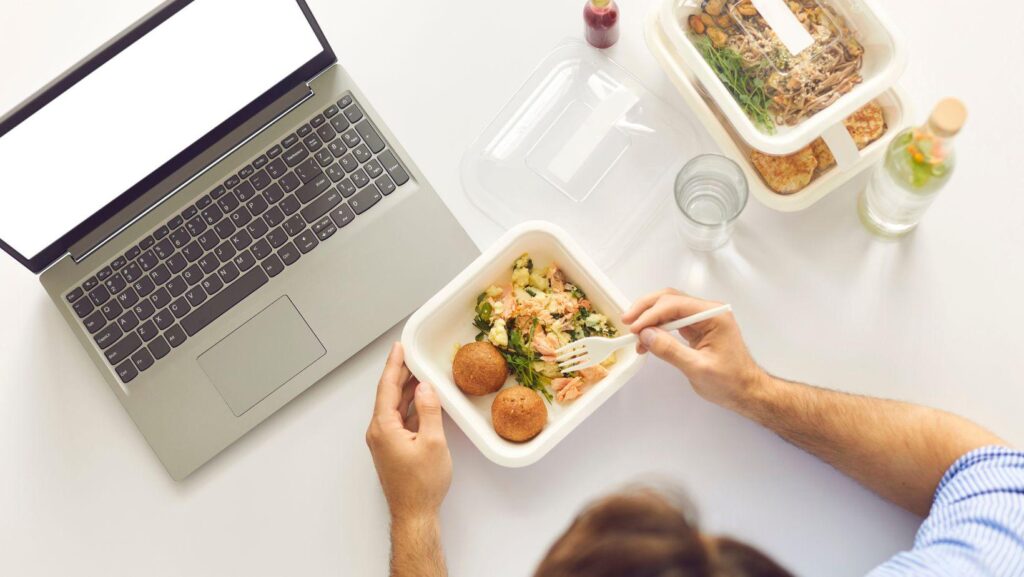
Snacking gets a bad reputation because most readily available snacks are ultra-processed, high in refined sugar, and nutritionally empty. The alternative, preparing healthy snacks from scratch, takes time that many people simply do not have on workday mornings. Healthy snack delivery services solve this gap by making nutritious, well-sourced options available at the door, removing the preparation barrier without sacrificing quality.
For people who are serious about eating better but struggle with the logistics of healthy eating, delivery solves a real problem. Having good snacks stocked means better choices when hunger hits, which consistently matters more than any amount of meal planning.
What Makes a Snack Actually Healthy
The word "healthy" is used loosely enough that it has become almost meaningless on packaging. A useful framework focuses on a few things: protein and fiber content to support satiety, minimal added sugar, recognizable ingredients, and an absence of heavily processed seed oils in large quantities.
Nuts and seeds, dried fruit in small quantities, whole grain crackers, protein-rich snacks like jerky or hard-boiled eggs, and fresh fruit and vegetables are reliable standards. The challenge with buying these at a regular grocery store is cost and selection. Quality nuts are expensive. Fresh cut vegetables require preparation. Interesting, varied options require more effort to source than most people can manage consistently.
A healthy snacks delivery service handles the sourcing and logistics. Rather than going to multiple stores to assemble a variety of quality snacks, customers receive a curated selection at home on a schedule that works for them. For households with children, regular deliveries of quality snacks also take the chaos out of school lunch planning.
The Connection Between Snacking and Overall Diet Quality
Research on eating patterns consistently shows that what people eat between meals matters nearly as much as what they eat at main meals. Nutrient-poor snacking tends to displace higher-quality food throughout the day by spiking blood sugar and triggering subsequent cravings.
Conversely, snacks with a good protein and fiber balance help regulate blood sugar between meals, reduce the intensity of hunger arriving at meal times, and make it easier to eat reasonable portions at lunch and dinner. People who snack well tend to make better food choices overall, not just between meals.
Getting the Most from a Snack Delivery Service
Think of snack delivery as stocking a dedicated healthy snack pantry rather than replacing a grocery run. The goal is having quality options within easy reach so that the default choice when hungry is also a good nutritional choice.
Rotate selections regularly to avoid snack fatigue. Use delivery timing to align with your usage pace so nothing expires before you get to it. For office environments, having a designated snack area stocked from a delivery service reduces the tendency to walk to a vending machine.
Frequently Asked Questions
Are healthy snack delivery services more expensive than grocery stores? Per-item costs may be higher than buying in bulk at wholesale stores, but the convenience and reduced food waste often make the effective cost comparable. Some services also offer subscription pricing that reduces per-delivery costs.
What types of snacks are typically available through delivery services? Options commonly include nuts and nut mixes, dried and fresh fruit, protein bars, jerky, seeds, rice cakes, popcorn, and in some cases fresh-cut vegetables.
Can I customize a healthy snack delivery to avoid allergens? Most services allow filtering by allergens and dietary preferences such as gluten-free, vegan, nut-free, or low-sugar.
How do I know if delivered snacks are actually healthy? Look for services that include nutritional information for each product. Prioritize options with short ingredient lists, recognizable ingredients, and at least 3 to 5 grams of protein per serving.