
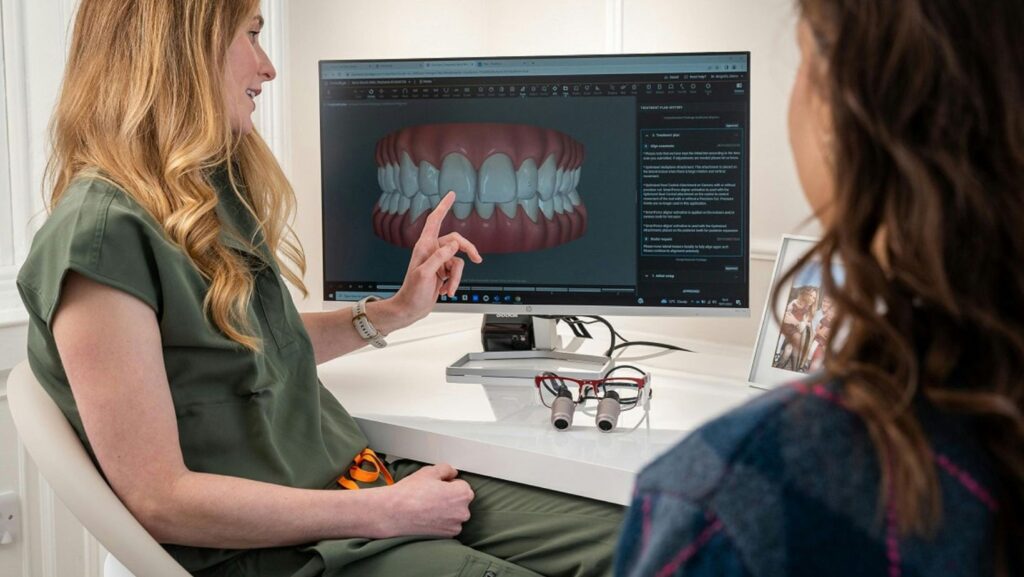
Typically, the process begins with a thorough consultation that serves as the foundation for the entire process. In addition to a medical examination, the first visit involves learning about the patient’s needs, lifestyle, and long-term goals for their oral health. While the patient is aware of the nature of the treatment, the dentist has the opportunity to gather important information. Although it may seem like a small step, consultation is one of the most essential parts of the process, as it determines how quickly and effectively the treatment will proceed from start to finish.
Understanding the Purpose of the Consultation
Since conditions like smoking, heart disease, or uncontrolled diabetes can have long-term effects on healing and results, the dentist will typically begin by reviewing the patient’s medical history. Imaging technologies like 3D scans and panoramic X-rays are used to measure bone density and identify any placement problems. In addition to the formalities, consultation serves as a free exchange of ideas where patients can ask questions, get clarification on expectations, and view available treatment schedules. With others, the discussion can focus on solutions like affordable dental implants, which, in certain circumstances, can produce faster results. This step is not rushed because it ensures that the patient and the dentist agree moving forward.
Medical and Dental History Feedbacks
This thorough review helps the dentist better understand how the patient’s mouth responds to dental procedures and helps identify potential risk factors. For example, periodontal issues should be treated before moving forward with implants because oral health is essential to their long-term success. If there has been significant bone loss in the jaw, these patients may require additional treatments such as sinus augmentation or bone grafting. By figuring out these specifics beforehand, the dentist can create a customised plan that takes into account particular needs and ensures the implants will have the best support possible after they are placed.
The Role of Imaging and Diagnostic Tests
The majority of dentists use 3D cone beam computed tomography (CBCT) scans for extra precision because they provide a clear, three-dimensional picture of sinus location, bone density, and nerve pathways. Implants can now be precisely positioned for maximum stability and long-term use thanks to this technology.

Additionally, imaging helps predict potential problems that may arise during surgery, such as low bone density or proximity to delicate structures, like nerves. Because careful planning reduces the likelihood of complications, both the patient and the dentist can feel more confident during the procedure by visualising the mouth in such detail. Patients feel more at ease during the diagnostic phase because they know that the plan is founded on thorough scientific evaluation rather than conjecture.
Discussing Treatment Options and Alternatives
The dentist can also go over options like dentures or bridges supported by implants, which can restore multiple teeth at once. Treatments like bone grafting can be discussed as a crucial component of the plan for individuals who have experienced significant bone loss. Patients benefit from this conversation by learning about the risks and restrictions associated with implants in addition to their benefits. It offers transparency, which is crucial for building confidence and setting reasonable expectations. Patients are encouraged to consider both the functional and aesthetic outcomes to make sure the treatment they choose fits their long-term oral health objectives.
Setting a Personalized Treatment Timeline
From surgery to the final crowning, the process could take a few months for straightforward cases, but it could take almost a year for more complex ones involving bone grafts or sinus lifts. To help patients understand what to expect at each stage, the dentist explains each step in clear, straightforward terms, from initial preparation and surgery to healing and final restoration. People can better organise their personal agendas around the treatment process and experience less anxiety as a result of this transparency. Patients feel more in control and are more likely to follow aftercare instructions that guarantee long-term implant success when they have a clear itinerary from the start.
Cost Estimates and Financial Planning
By ensuring that patients are fully aware of the investment required, this step helps to avoid surprises later on. To make the treatment affordable, some clinics also explain financing or insurance coverage, if applicable. Comparing implants to other therapies and highlighting their longer-term value in comparison to bridges or dentures can also be part of the conversation. Even though the price may seem high at first, the durability and strength of implants make them a wise choice in the long run. In addition to fostering trust, discussing money during the initial consultation helps patients plan without feeling hurried or uncertain about hidden fees. The overall more seamless and satisfying treatment experience is due to this clarity.
Patient Education and Oral Care Guidance
This could include guidance on improving dental hygiene practices, quitting smoking, or managing conditions like diabetes. A diet that promotes bone health and gum integrity can also be recommended to the patient. The dentist gives instructions on how to care for the mouth while it heals for patients who require preparatory procedures. By giving them the knowledge and resources they need to actively participate in their own care, education at this stage empowers patients. It also emphasises how the patient and dentist work together to make sure implants last as long as possible. Patients feel more prepared to move forward with confidence and commitment when they leave the consultation with clear instructions and expectations.
Building Trust Through Communication
The dentist can modify recommendations in this way to make them feel more tailored to the patient’s needs. The consultation helps to allay fears by demystifying what is involved and addressing common concerns. Oral surgery is a frightening prospect for most people. For the dentist to give practical advice, patients are encouraged to be open and honest about their habits, health conditions, and lifestyle choices. The process is facilitated by laying this foundation of trust early on because patients are more likely to follow instructions and attend appointments when they perceive that their care is being handled with respect and empathy. This intimate connection greatly enhances the entire therapeutic process.
It gives patients a chance to clarify, ask questions, and feel comfortable about what lies ahead. The emphasis on openness, communication, and education ensures that patients leave knowing exactly what has to be done and what to anticipate. Most people find that this initial step reduces anxiety and boosts confidence, which makes the entire process less daunting. Patients leave the consultation with a better understanding of how dental implants can replace both function and appearance, in addition to a treatment plan. It marks the beginning of a path towards improved oral health and a higher standard of living..