

Cannabis has experienced a major shift in public perception over the past decade. No longer confined to the shadows of stigma, it’s now being embraced by people from all walks of life as a powerful tool for wellness. What was once viewed purely as a recreational substance is now finding its place in conversations about physical and mental health.
With growing interest and ongoing research, it’s becoming clear that cannabis offers a wide range of therapeutic benefits. Whether in the form of oils, edibles, tinctures, or traditional flowers, many users are discovering how it can improve their overall well-being in meaningful ways.
What is Cannabis?
Cannabis is a plant that has been used for centuries for its medicinal, recreational, and industrial purposes. It contains over 100 chemical compounds known as cannabinoids, the most well-known being tetrahydrocannabinol (THC) and cannabidiol (CBD). THC is responsible for the plant’s psychoactive effects, commonly known as the “high,” while CBD is non-intoxicating and is praised for its potential therapeutic benefits. Cannabis can be consumed in various forms, including smoking, vaping, edibles, oils, and tinctures. It has gained significant attention in recent years for its potential to treat a variety of health conditions, from chronic pain and anxiety to sleep disorders and inflammation.
How to Find a Cannabis Dispensary?
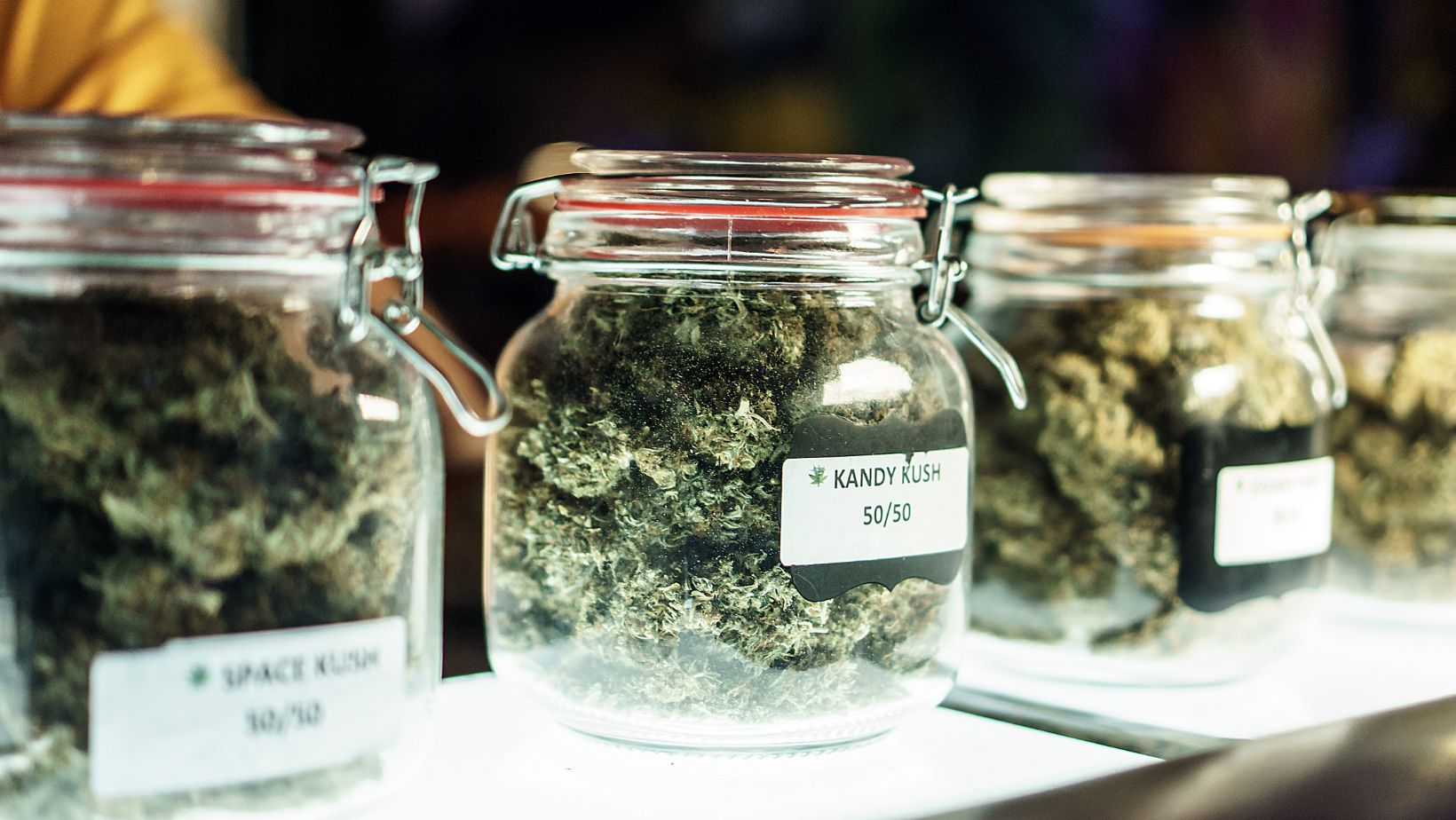
If you’re thinking about incorporating cannabis into your wellness routine, finding a trusted and licensed cannabis dispensary is a great place to start. Look for dispensaries with a solid reputation, knowledgeable staff, and a wide range of quality-tested products that match your health goals. Whether you’re seeking support for pain, sleep, or stress, a reputable dispensary can guide you in choosing the right strains, formats, and dosages. Many also offer educational resources and consultations to help you make informed decisions based on your needs and experience level.
Leading Benefits of Cannabis
Cannabis offers numerous health benefits, making it a popular choice for those seeking natural alternatives. Let’s explore five of the most impactful ways cannabis contributes to wellness.
Relieving Pain Naturally
One of the most recognized uses of cannabis is for managing pain. From chronic joint issues to nerve-related discomfort, individuals across the globe are turning to cannabis as an alternative to pharmaceuticals. The plant’s compounds, especially THC and CBD, interact with the body’s endocannabinoid system, which plays a role in regulating how we perceive pain.
Many who suffer from conditions like migraines, arthritis, or back injuries report noticeable improvements when using cannabis. Unlike traditional painkillers, which can lead to dependency or unpleasant side effects, cannabis provides a gentler approach. Users often experience pain relief without the foggy or sedative side effects that come with opioids or other strong medications. As a result, they’re able to maintain a better quality of life and stay active for longer.
Enhancing Sleep and Restfulness
Quality and restorative sleep is essential for maintaining both physical health and emotional balance, yet millions of people struggle to get adequate rest. Cannabis has emerged as a helpful remedy for sleep disturbances, especially for those dealing with insomnia or restlessness caused by stress, anxiety, or chronic pain.
Cannabis can help ease the mind and body into a state of relaxation, making it easier to fall asleep and stay asleep throughout the night. People who have trouble unwinding at the end of the day often find cannabis to be a useful way to quiet their thoughts and reduce physical tension. Rather than waking up groggy, many report feeling more refreshed and clear-headed in the morning.
Reducing Anxiety and Stress
Managing mental health is a growing priority in today’s fast-paced world. Anxiety and emotional exhaustion affect people in all walks of life. For many, cannabis provides a much-needed break from the constant mental chatter and tension. Certain strains and CBD-rich products are known to promote a sense of calm and emotional clarity.
CBD, in particular, is often used for its soothing effects without the intoxicating high that THC produces. It’s a popular option for those who want relief from anxiety while still staying clear-headed and functional. Some people use it to stay calm during stressful situations like social events, public speaking, or even a long day of work.
Supporting Digestive Health
While cannabis is often linked to increased appetite, humorously referred to as the ‘munchies,’ its digestive benefits extend far beyond just food cravings. For individuals dealing with digestive disorders, nausea, or a lack of appetite—whether due to medical treatments or chronic illness—cannabis can offer significant relief.
People undergoing chemotherapy, for example, often find cannabis helps them eat and keep food down when nothing else works. Inflammatory bowel conditions like Crohn’s disease or irritable bowel syndrome have also shown potential improvement in symptoms with cannabis use, particularly when CBD is involved. This is because of its ability to reduce inflammation and ease discomfort in the gastrointestinal tract.
Fighting Inflammation and Boosting Recovery
Chronic inflammation is at the root of many serious health problems, including heart disease, diabetes, and autoimmune conditions. Cannabis has shown promise in reducing inflammation in the body, largely due to the anti-inflammatory properties of cannabinoids like CBD.
This effect is gaining popularity among athletes and active individuals who use cannabis to support muscle recovery after workouts. By applying cannabis-infused topicals or consuming low-dose edibles, they can reduce soreness and accelerate healing in joints and muscles.
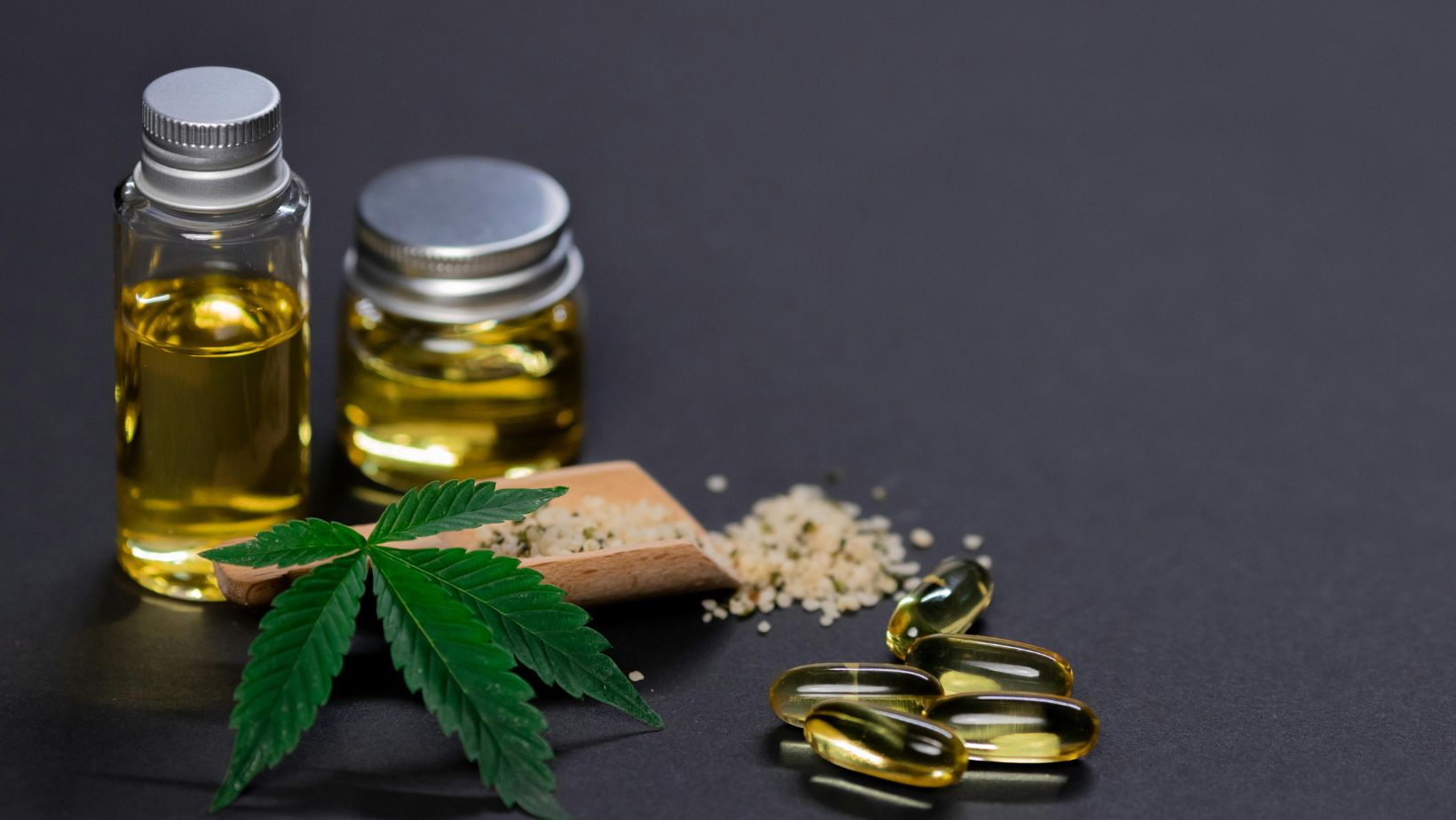
This has opened the door for cannabis to become part of a healthy lifestyle that includes exercise, clean eating, and stress management.
Embracing a Natural Path to Wellness
As with any tool for health, the effects of cannabis depend on how it’s used. Personal factors such as body chemistry, lifestyle, and individual health needs all play a role. Some may prefer high-CBD products for daily wellness, while others find balanced or THC-dominant options more effective for specific issues.
The key is to start thoughtfully and explore what works best. Consulting a healthcare professional, especially if you’re managing a chronic condition or taking medications, is always a wise step.
Cannabis is not a cure-all, but it can be a valuable addition to a well-rounded approach to health. Whether you’re seeking better sleep, pain relief, emotional balance, or faster recovery, this ancient plant continues to prove its potential in the modern wellness space.
Conclusion
Cannabis is increasingly being recognized as more than just a recreational substance—it’s becoming an essential part of many people’s wellness routines. With a growing body of research and user experience supporting cannabis’s ability to relieve pain, reduce stress, improve sleep, support digestion, and reduce inflammation, it offers a natural option for improving quality of life. As always, it’s important to explore what works best for your body, start with low doses, and stay informed through reliable sources. When used mindfully and responsibly, cannabis can be a valuable tool in achieving balance and well-being.