
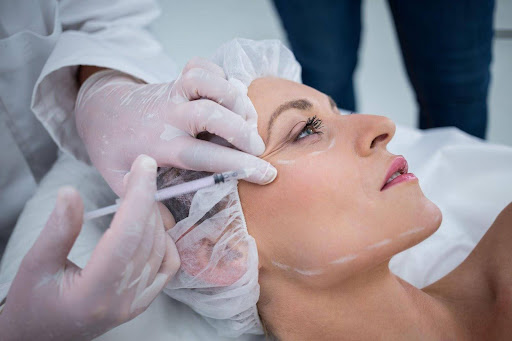
Aesthetic medicine has evolved rapidly from a niche specialty into a mainstream healthcare service. As patient demand for non-surgical cosmetic treatments grows, registered nurses are finding new opportunities to expand their clinical roles while maintaining strong patient relationships. Unlike many traditional settings, aesthetics allows nurses to combine medical knowledge with artistry and personalized care.
For many professionals, this shift represents more than a career change, it is a chance to practice nursing in a way that emphasizes prevention, confidence, and patient satisfaction. However, entering this field requires careful preparation. A strong educational foundation is essential before administering cosmetic injectables safely and ethically.
What a Botox Class Actually Covers
A high-quality Botox training program goes beyond simply learning injection techniques. Comprehensive instruction focuses on the science behind facial aging, neuromuscular anatomy, and how injectable treatments interact with underlying muscle structures.
Nurses are trained to perform thorough patient assessments, determine appropriate dosing, and identify suitable candidates for treatment. Coursework also includes proper injection techniques, sterile procedures, and complication management. These components ensure that graduates are both technically skilled and clinically responsible.
Structured Botox programs for nurses integrate clinical theory with guided practical experience, supporting safe and effective practice in aesthetic medicine.
Essential Clinical Skills for Aesthetic Practice
Successful aesthetic nurses rely on a combination of precision, critical thinking, and communication skills. Facial analysis is a key competency, as each patient presents unique anatomical features requiring customized treatment plans.
Patient education is equally important. Nurses must clearly explain expected outcomes, potential risks, and post-treatment care. This dialogue builds trust and ensures patients have realistic expectations.
Attention to detail is another cornerstone of safe practice. Injectable treatments involve small quantities and precise placement; differences of just a few millimeters can significantly alter results. Training emphasizes accuracy, consistency, and clinical judgment.
Patient Safety and Managing Complications
Safety is the top priority in aesthetic medicine. While Botox is widely used and generally well tolerated, improper technique can lead to complications such as bruising, asymmetry, or eyelid ptosis. Comprehensive training teaches nurses how to prevent these issues and respond appropriately if they occur.
Understanding contraindications is also critical. Certain neuromuscular conditions, medications, and pregnancy status may disqualify a patient from treatment. Nurses must be skilled in screening and documentation to protect both the patient and their professional license.
Confidence grows with education and supervised experience. Thorough training prepares nurses to manage both routine treatments and unexpected outcomes.
Legal and Ethical Responsibilities
Aesthetic nursing operates within a regulated medical framework. Scope-of-practice laws vary by location, and nurses must work under proper medical supervision when required, often in collaboration with a licensed physician or medical director.
Ethically, nurses are responsible for prioritizing patient welfare over financial incentives. This includes declining treatment when it is not medically appropriate and maintaining honest communication about risks and limitations. Professional integrity is as important in aesthetics as in any other nursing specialty.
Choosing a Reputable Training Program
Selecting the right educational provider is a critical decision. A reputable program should include:
- In-depth anatomy and physiology instruction
- Supervised clinical practice with live patients
- Training in patient assessment and consultation
- Certification or continuing education credits
- Ongoing mentorship or professional support
Educational resources outlining Botox training for nurses clarify what to expect from a comprehensive program. Programs relying solely on online instruction without practical experience should be avoided, as hands-on training is essential for building competence and confidence.

Career Opportunities After Training
Once trained, nurses can pursue several career paths within aesthetic medicine. Many work in medical spas, dermatology practices, or plastic surgery clinics. Others integrate injectables into existing nursing roles or open independent aesthetic practices under physician oversight.
Aesthetic nursing offers flexibility, with schedules often more predictable than hospital shifts. Patient interactions are typically focused on wellness and self-esteem rather than acute illness, contributing to higher job satisfaction and improved work-life balance.
Opportunities for professional growth continue with advanced certifications in dermal fillers, laser treatments, and skin rejuvenation, allowing nurses to expand their services over time.
Is Aesthetic Nursing the Right Path for You?
Transitioning into aesthetic medicine requires commitment, education, and a strong ethical foundation. Nurses should consider their interest in facial anatomy, patient counseling, and procedural care. Comfort with precision and lifelong learning is essential in a field that continues to evolve.
Aesthetic nursing is not simply about cosmetic enhancement; it is about helping patients feel confident while maintaining medical safety and professional accountability. When approached responsibly, it can be a highly rewarding extension of a nursing career.
A well-structured botox class for nurses bridges traditional nursing practice and aesthetic expertise. With the right preparation, nurses can enter this specialty equipped to deliver safe, professional, and patient-centered care in a growing and dynamic field.