
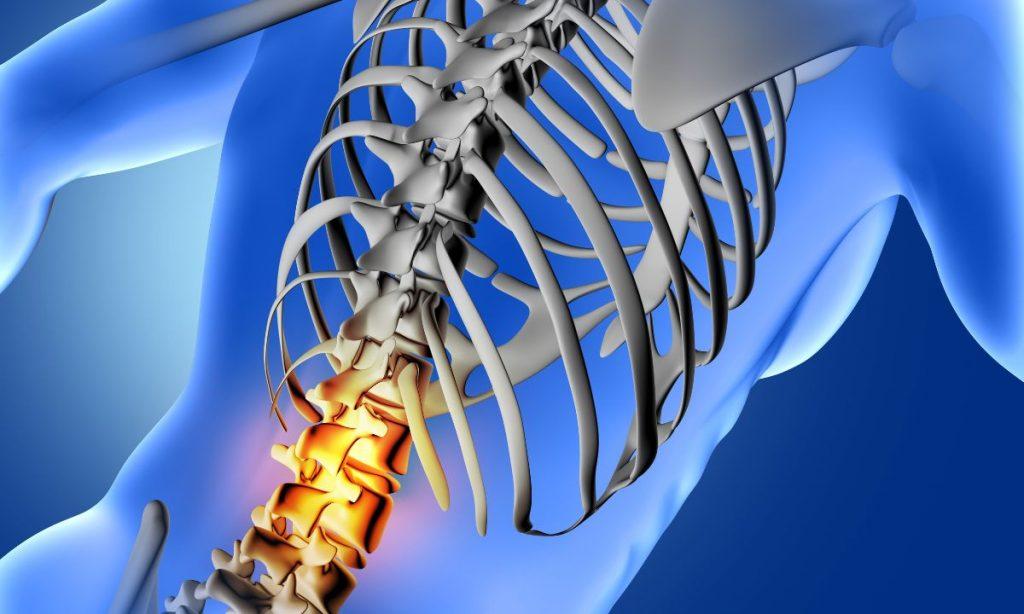
A spinal cord injury is one of the most critical and life-altering forms of trauma an individual can suffer. It may be caused by a car accident, a fall, a sports injury, or any other kind of accident. It can have long-lasting impacts.
Boca Raton is a beautiful city in Florida. It is famous for its golf courses, parks, and beaches. If you suffered a spinal cord injury here due to someone else’s negligence, seek help from experienced Boca Raton spinal cord injury lawyers who can assist in pursuing compensation and holding the responsible parties accountable.
But sometimes, this spinal cord injury doesn’t show symptoms right away and will develop gradually or be confused with milder conditions. Recognizing the early indicators is crucial not only for treatment but also for minimizing long-term damage. Here are some of the most common signs that indicate that you have incurred a spinal cord injury.
Loss of Movement or Paralysis
A leading indication of a spinal injury is an abrupt loss of motor function or paralysis. It may involve any portion of the body below the injured region. For example, paralysis of the arms, trunk, and legs may be caused by an injury to the neck region, while an injury to a region lower down might only involve paralysis of the legs.

This symptom may appear right away, or it may arise as swelling and bleeding cause additional strain on the spinal cord. Any loss of movement, even partial—like a weakness in a limb or trouble with coordination—is an emergency.
Loss of Sensation or Numbness
Another frequent symptom of a spinal cord injury is loss of sensation. Patients may experience numbness, tingling, or loss of sensation entirely or in some portions of the body. It can have an impact on being able to feel heat, cold, or touch as well.
Loss of sensation usually occurs below the site of injury. As a point of reference, if a person gets injured at the mid-back, for instance, arms will not be affected but will be numb. Even if it is only intermittent or feels relatively mild, numbness must not be dismissed.
Difficulty Breathing or Coughing
The spinal cord regulates muscles involved with respiration. Upper-spine injuries and those with cervical (neck) involvement can impact respiration. Patients with these injuries may experience shallow breathing, shortness of breath, or a failure to cough and clear their throat.
In severe cases, a spinal cord injury may lead to complete respiratory failure, requiring emergency intervention and possibly the use of a ventilator.
Loss of Bladder or Bowel Control
Abrupt changes in bowel or bladder function are also a signal for an impending spinal cord injury. Such signs include loss of urinary control, not being able to defecate or urinate, or failure to feel a full bowel or bladder.
These symptoms arise because these functions are performed by nerves that pass through the spinal cord. When there is an injury to the spinal cord, there is interference with communication between these organs and the brain.
Pain or Pressure in the Neck or Back
Persistent pain or pressure in the neck or back, especially during and after an accident, may indicate a spinal cord injury. It’s frequently accompanied by muscle spasms, stiffness, or a feeling of pressure that does not go away with rest.

While most people experience back pain, if it is coupled with numbness, weakness, and/or loss of bladder control, it is not an indication of a simple back injury, but your spinal cord could be injured. To determine the severity of the injury, a diagnostic test, perhaps an MRI or a CT, must be obtained.
Takeaways
Spinal injuries must be treated urgently. The sooner they are identified and treated, the greater the chance of minimizing long-term impact. Symptoms can range from loss of mobility to difficulty catching one’s breath, but they should never be dismissed.
Early detection and proper treatment can be the difference between partial remission and permanent incapacitation. Listen to your instincts and your body, and respond quickly if something feels amiss.