
Getting sick has never been convenient. You feel weak, tired, and unfocused. On top of that, many people still feel pressure to prove they are sick just to take a day off. For years, that meant dragging yourself to a clinic, sitting in a waiting room, and hoping to be seen quickly.
That system no longer fits how people live and work today.
Digital healthcare is changing how sick days work. Online consultations now offer faster care, less stress, and more flexibility. For both workers and employers, this shift is changing expectations around illness and recovery.
What Digital Healthcare Looks Like Today
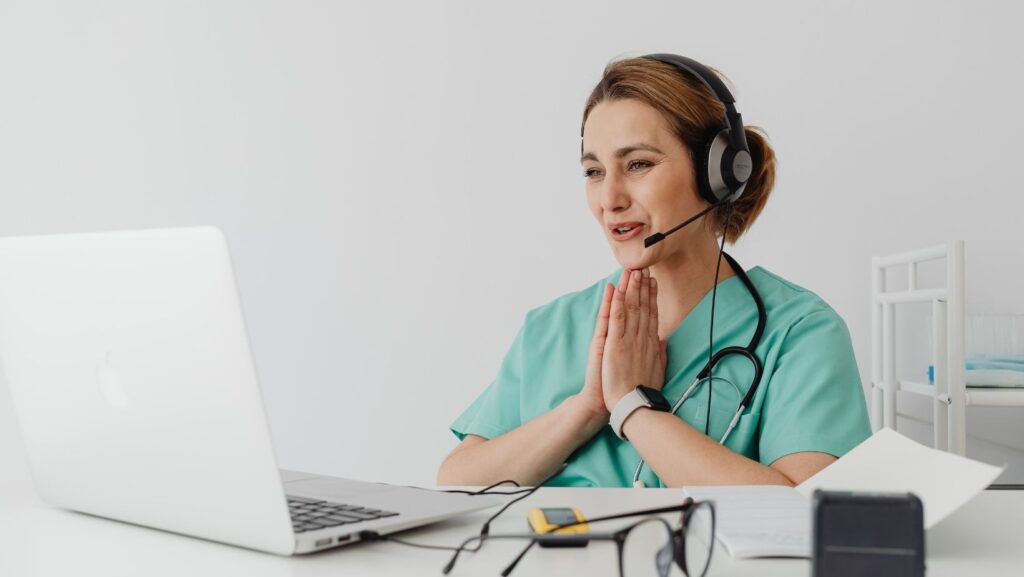
Digital healthcare allows you to talk with licensed medical providers using your phone or computer. These visits often happen through video or secure messaging.
You explain your symptoms. The provider reviews your condition and gives advice or treatment options. For many common illnesses, this care is just as effective as an in person visit.
You save time, avoid travel, and stay home where rest is easier.
Why Online Consultations Are Growing
People expect convenience in most parts of life. Healthcare is catching up.
Online visits fit busy schedules. You can get care without missing an entire day of work. Parents avoid taking sick kids out in public. Workers avoid exposing others to illness.
Remote work also plays a role. When you work from home, online care feels natural. You can talk to a provider, then rest right away.
This growth is not a trend. It is a response to real problems.
How Sick Days Used to Add Stress
Traditional sick days often made illness harder.
You woke up sick. You searched for an appointment. You waited in a room full of other sick people. All of this just to confirm what you already knew.
Many people skipped care because it felt like too much effort. Others worked while sick to avoid the hassle.
Neither option supported health or productivity.
How Digital Care Improves the Experience
Online consultations remove many barriers.
You can often book a visit the same day. You speak with a provider from home. You get clear guidance without sitting in a crowded clinic.
This makes it easier to take a sick day when you actually need one. It also helps prevent illness from spreading in the workplace.
Digital care supports better habits for both workers and teams.
Employers Are Changing Their Approach
Workplaces are adapting to digital healthcare.

Many employers now accept documentation from online providers. They focus more on recovery and less on rigid rules. This creates trust between employees and managers.
Clear digital documentation helps employers manage absences fairly. It also reduces conflict around sick leave.
This shift benefits everyone.
The Role of Online Medical Documentation
For many jobs, proof of illness is still required.
Digital healthcare platforms now provide legitimate documentation when appropriate. This documentation comes from licensed providers who review each case carefully.
In the middle of this shift, access to a doctors note for work allows employees to meet workplace requirements without unnecessary clinic visits. This approach helps people rest and recover while still following employer policies.
It keeps the focus on health instead of paperwork.
Why Patients Feel More Comfortable Online
Many people feel more at ease speaking to a provider from home.
You are in a familiar space. You feel less rushed. You can explain symptoms clearly. This comfort often leads to better communication.
For mental health concerns, privacy matters even more. Online visits make it easier to seek help without fear or stigma.
Comfort supports better care.
What Online Consultations Can Treat
Digital healthcare works well for many common conditions.
Colds and flu symptoms
Stomach issues
Minor infections
Allergies
Migraines
Skin concerns
Mental health check ins
Providers also know when online care is not enough and will recommend in person treatment when needed.
Digital care is about using the right option at the right time.
Safety and Trust Still Matter
Digital healthcare follows strict medical standards.
Providers are licensed. Consultations are private. Records are secure. Care follows established guidelines.
Legitimate platforms take patient safety seriously. Trust is built through transparency and quality care.
When done correctly, digital healthcare meets professional standards.
How Digital Care Helps Reduce Burnout
Burnout is a real issue in many workplaces.
When people feel forced to work while sick, recovery takes longer. Productivity drops. Stress increases.
Digital healthcare makes it easier to take time off when needed. Quick access to care reduces guilt and pressure.
Healthy workers perform better in the long run.
What the Future of Sick Days Looks Like
Sick days are changing.
They are no longer just about proving illness. They are about recovery, trust, and access to care.
Digital healthcare supports a more humane approach. One where health comes first and systems work with people instead of against them.
As technology improves, this model will continue to grow.
Why This Shift Matters Now
Healthcare should fit real life.
Online consultations reduce barriers. They save time. They help people get care when they need it most.
For workers, employers, and providers, digital healthcare offers a better way forward.
The rise of digital healthcare is not just changing sick days. It is changing how people experience care.