
Online gambling has become a massive market around the world. Figures show that $15.59 billion total NGR was generated by the nation’s gambling sector and around $5.55 billion (35.27%) comes from online activity. Data from 2024 shows that around 3.2 million people play regularly at online casinos. This equates to approximately 10.32% of the adult population. When it comes to gambling as a whole, including online casinos, lottery and sports betting, approximately six out of every 10 Canadians gamble frequently, while there are around 19.3 million active online gamblers in Canada. Online platforms have tried to make engaging with games like these as safe and reliable as possible, with useful responsible gambling features and self-exclusion tools. However, the one slight catch is that even with all of these special features, online gambling remains something that can be too thrilling, something that could unfortunately turn into an addiction and impact your mental health negatively. This doesn’t mean it will but it does mean there is a possibility. If you want to be a responsible gambler, you need to be aware of all of the challenges that might come your way and mental health risks are one of them. Knowing about this shouldn’t be scary; it should feel helpful. If you know what troubles may come your way and you understand them, you’ll be able to diagnose them sooner and implement helpful intervention strategies when needed.
In Canada, gambling significantly impacts mental health, with 7% of Canadians at high risk for problem gambling. This means that mental health issues can become a problem and to avoid this, you need to know the risks of gambling before you really dive in.
How Online Gambling Rewires the Brain and Keeps You Hooked

Online gambling creates a unique mental environment. Unlike physical casinos, which require travel and time commitment, online platforms are always open. That constant availability removes natural stopping points. There is no closing time, no physical barrier and no visible reminder to pause. Of course, responsible gambling platforms have timers, so you can see how long you’ve spent online and there are also timers you can install yourself to kick you out of the game after a certain period but nonetheless, this constant access is tricky to navigate.
The brain reacts strongly to gambling because it activates the reward system. Wins trigger dopamine, the chemical associated with pleasure and motivation. Losses, surprisingly, can trigger dopamine too, especially when they create anticipation of a future win. This cycle makes gambling emotionally intense and that’s what makes it so impactful for the brain. How to avoid all of this is to try to play on demo accounts, so that you don’t really ever experience the highs or the lows, as no funds are involved or by using trustworthy bonuses found on CasinoBonusCa that allow you to use free funds or additions from the platforms, again, so that you’re not using your own budget.
Additionally, several elements increase the psychological impact, things like instant results and fast feedback loops, bright visuals and sound effects, near-misses that feel like “almost winning” and rewards that appear unpredictable. Ever experienced one of those before? You want to log out of the game but you were so close to a win and so you kept playing? This is a tactic used by online gambling sites.
When Fun Quietly Turns Into Constant Pressure
Online platforms are built to reduce friction. Deposits are fast. Withdrawals feel delayed. Promotions appear at strategic moments. All of this makes stopping harder than starting. Factors that make stopping difficult are things like receiving constant notifications and reminders, so that you feel like the game is just one button away. It’s also about easy access to funds and bonuses. Plus, with advanced technology, games are just becoming more and more interesting, so there never seems to be a pause button on games. By the way, these features are not accidental. They are designed to keep engagement high. That design can clash with mental health if boundaries are not firmly set.
Riding the Highs and Lows: The Stress of Gambling
Stress is common in Canada, with about one-quarter of Canadians feeling highly stressed most days. Stress also happens to be one of the first mental health effects of problematic gambling. It often develops quietly. At first, gambling might feel like an escape from daily worries. It becomes a way to relax, distract or change mood. But when losses pile up or time spent increases, stress grows. Signs of gambling-related stress include feeling tense when thinking about money, having trouble sleeping after gambling sessions, irritability or frustration during the day when you’re not online and general difficulty concentrating on non-gambling tasks.
Stress also comes from secrecy. Hiding gambling behavior from friends or family creates emotional pressure. That internal conflict adds another layer of anxiety that can make the habit feel heavier over time.
The Emotional Rollercoaster of Wins and Losses
Online gambling creates powerful emotional swings. A win can bring excitement, confidence and relief. A loss can bring disappointment, anger or self-doubt. When gambling becomes frequent, emotional stability can start depending on outcomes. This emotional dependency is risky. Mood begins to fluctuate based on the next spin, bet or hand. Over time, it can affect your self-esteem, motivation, relationships and daily decision-making. Instead of emotions being shaped by life experiences, they become tied to gambling results. That shift is one of the clearest warning signs of unhealthy involvement.
Using Gambling as an Escape: When It Becomes Emotional Armor
Many people use gambling as a way to cope with emotions. Stress, boredom, loneliness and even sadness can push someone toward online platforms. Gambling distracts from uncomfortable feelings and offers short-term relief. You might go more toward it when you are feeling overwhelmed, needing excitement or stimulation, wanting to escape routine or if you’re trying to regain control after a bad day.
The danger comes when gambling replaces healthier coping strategies. Instead of addressing the source of stress, the habit becomes a shortcut. Over time, this weakens emotional resilience and increases dependence.
Signs That Gambling May Be Becoming an Addiction
Addiction does not appear overnight. It develops gradually, often disguised as enthusiasm or persistence. Recognizing early signs can prevent deeper harm.
Warning signs include:
- Thinking about gambling constantly
- Increasing bets to feel the same excitement
- Chasing losses to “break even”
- Feeling restless or irritated when not gambling
- Hiding gambling activity from others
Another strong indicator is loss of control. When plans to stop or limit gambling fail repeatedly, that signals a deeper issue than simple habit.
The Dangerous Link Between Gambling, Anxiety and Depression
Online gambling and mental health have a strong two-way relationship. Anxiety and depression can push people toward gambling and gambling can intensify those conditions. Gambling-related anxiety often shows up as worry about finances or a deep sense of fear of being discovered. It could also show up as guilt after losses or having constant mental tension. Depression may appear as loss of interest in other hobbies, low motivation, feelings of hopelessness and emotional numbness.
The emotional ups and downs of gambling can make anxiety sharper and depression deeper. When the activity becomes a major source of emotion, it overshadows other parts of life.
How Isolation Makes the Risk Higher
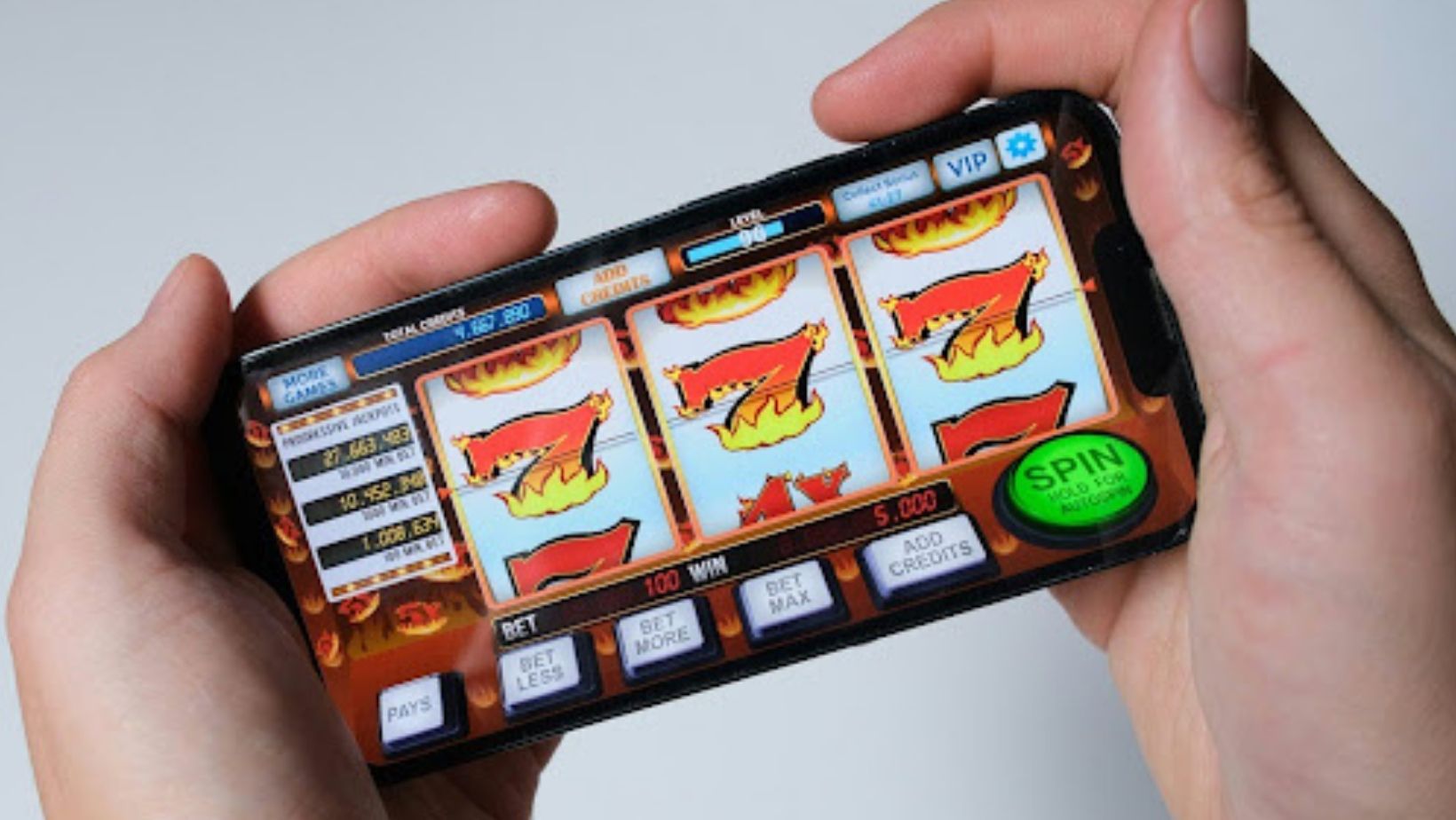
Online gambling is usually a solitary activity. It happens in private spaces, often without anyone knowing. That isolation makes it easier for unhealthy patterns to grow. Without social feedback, behaviors go unchecked. There is no casual comment from a friend or visible reaction from others. That’s the problem with online gambling: it allows you to get lost in your own bubble and whilst it can feel comforting to just play from home, it also means that you’re often going at it alone and that isolation isn’t always good. Isolation also means less accountability, fewer emotional outlets and more time spent alone with the habit. When gambling becomes the main companion during free time, mental health risks increase.
How Money Stress Turns Into Mental Stress
Money and mental health are deeply connected. Gambling losses can create financial stress that spills into every area of life. Bills, saving and responsibilities begin to feel heavier. Financial stress often leads to shame and embarrassment, conflict in relationships, persistent anxiety and reduced self-confidence. Even small losses can feel large when they repeat frequently. The mental burden of financial uncertainty can be just as damaging as the monetary loss itself.
The Role of Hope and Illusion and How They Can Confuse You
Gambling feeds on hope. The belief that the next bet will change everything is powerful. That hope can become an illusion when it replaces rational thinking. You know you’re heading down a not-so-good path if you believe losses will be recovered through gambling, ignore financial or emotional consequences or make decisions based on feeling rather than logic.
Simple Habits That Protect Your Mental Health
Now that you know all about the things that can happen, it’s worth noting that there are quite a few ways that you can protect yourself, little habits you can implement. You can set time and money limits before starting and treat gambling as entertainment, not income. Plus, you can schedule non-gambling activities regularly and take breaks from screens and apps. These are just a few ideas but there are loads more. Getting in touch with a support group is an extra step or even just putting a pause on your gambling activities.
Why Self-Compassion Matters More Than Self-Blame
Online gambling carries real mental health risks because it connects emotion, money and instant gratification in powerful ways. Stress, anxiety, addiction and emotional dependence can grow quietly when boundaries fade. Awareness is the first line of protection.
When gambling stays within limits, it remains entertainment. When it begins shaping mood, thoughts and identity, it becomes something else. Paying attention to emotional signals, respecting personal limits and choosing balance over impulse keep mental well-being intact.