

Whilst the global environmental and energy security challenge remains and grows, climate change in the world, the need for sustainable power generation has gone from strength to strength. Solar generators have become an attractive option compared to traditional gas generators, providing the peace of mind of a clean, renewable source of power for a variety of uses including emergency back-up power, or during a weekend getaway or a camping trip.
Although the upfront cost of solar technology introduces concerns of its cost-effectiveness, the environmental and economic benefits in the longer term justify consideration. Today’s household could be striving to become power independent, as utility bills continue to climb, and environmental awareness continues to grow. This in-depth article will examine the solar generator vs gas generator dichotomy, the concepts of energy independence, and the usages within modern-day living. Let’s take a look at the environmental effect, costs, and the latest technological improvements that make solar-powered generators the most competitive source of sustainable energy.
Solar Generator vs Gas Generator: A Comprehensive Comparison
The contrast between solar and gas generators is apt for none more so than power production options. Unlike some gas-powered models, solar generators are silent and emit no direct emissions, so they are more environmentally friendly. Gas generators deliver power on demand and high power outputs, but the need for fuel, oil changes, filters, and engine maintenance are a detraction. Solar generators, on the other hand, operate with very little maintenance, apart from the occasional battery maintenance and cleaning of solar panels.
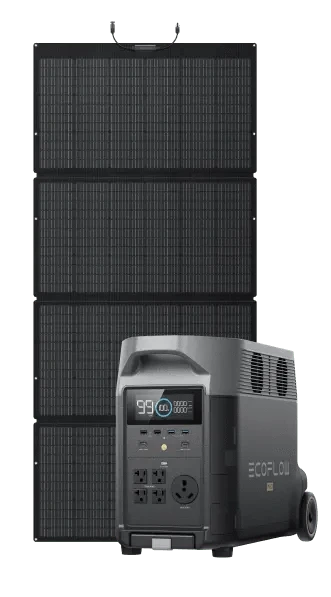
The operational life of the two types is also markedly different. Gas generators usually have a life of 3,000-5,000 hours of run time, and solar generators can last 15-25 years, and only require replacement of batteries every 5-10 years. It’s an effective solar generator for camping, outdoor events, and home back-up power where having noise and emission-free operation are an advantage. Gas generators are still beneficial for use in construction sites, for emergency services, and similar applications, which require continuous high power use at any time of the year.
Environmental Impact Breakdown
The environmental difference between these power sources is dramatic. Gas generators release about 2.2 lbs of CO2/hour, causing pollution and adding to climate change. Also, they generate between 60-90 decibels of noise, affecting wildlife and human habitation. Solar generators bypass these problems completely – they are quiet and have no emissions. The resource sustainability implications are also in favor of solar power, since it utilizes renewable energy instead of shrinking finite reserves of fossil fuel. This foundational difference in environmental effect is more than just end-of-life impacts; it influences ecosystems and overall environmental sustainability.
Energy Independence Through Solar Generators
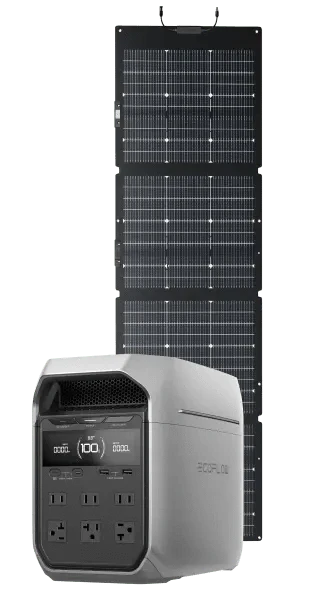
Solar generators are a big step in the journey in pursuit of absolute energy independence. Such systems can work fully off the grid, eliminating the need for regular utility power. The new solar generators on the market today, such as EcoFlow power stations, have the ability to become a part of your home energy system and even offer a wide range of installation options from basic home backup power to whole-house power solutions. The system uses next-generation lithium-ion batteries that provide unprecedented energy storage and performance, enabling continuous power availability, even in ambient light or darkness.

With the new generation of battery management systems, power distribution and storage life have become much more efficient. Using these systems, the systems can now make smart decisions about the allocation of power, which appliances should receive power first during an outage, while still keeping reserve capacity. When it comes to preparing for emergencies, solar generators are the most reliable option due to the fact that you do not need to store fuel and they run silently in a power outage. There are also the added benefits of being able to produce and store power on your own, which becomes highly useful in times of natural disasters or prolonged outages when nonrenewable fuel supplies are cut off.
Solar generator systems are scalable, which means you can begin with a small system and add more in the future. Through compounding solar panels and battery units to form a large-scale network, users can build reliable energy chains to meet the demands of more power. This modular type of self-sufficiency in power also means flexible installation and the possibility to expand when your future power needs evolve.
Sustainable Power Sources for Modern Living
Solar generator technology has come a long way in the past few years thanks to panels that have 23% efficiency, which is as good as it gets when it comes to product panels. These enhancements result in smaller panel footprints achieving higher power outputs, affording solar solutions to a broader spectrum of users. Current-generation solar generators utilize Maximum Power Point Tracking (MPPT), ensuring the maximum possible energy capture from sun up to sun down. The increase in efficiency means they can generate power when it’s cloudy, making these power sources more useful in places that are less than sunny.

Governments around the world encourage renewable energy utilization through different programs. Net metering is available in many areas, and it means you will get compensation for surplus energy that is sold back to the utility. Solar systems are also flexible, allowing for any application size from small home to large commercial, and adapting to the specific needs of an installation through expansion when energy requirements increase. Home-sized systems generally have a capacity of 2+ kW, and commercial systems run up to hundreds of kW in size, an impressive range.
Smart home technology adapts to your lifestyle and helps you make the energy most efficient. Solar generator management has never been easier – thanks to smartphone app integration with the Goal Zero Yeti App. Now available for Goal Zero Yeti Lithium users, the Yeti App allows you to check battery level, power in and out, switch between battery and power information, and even update your Yeti firmware. View the current charging or power usage in Wh either through USB, 12V, or AC side of the chargers. Keep your Yeti performing at its best with the Yeti Lithium charging optimization and battery protection beta feature. Create custom alerts, and access hundreds of recipes to help you connect your gear through your Yeti App seamlessly. Keep up to date with the most recent products, releases, and versions. NOTE: Not compatible with Goal Zero Yeti Lead Acid. Sophisticated monitoring shows how you are performing in real time, so you can maximize your energy use. Intelligent inverters smartly control power distribution according to consumption patterns, while advanced energy management systems can assign priority to emergency loads when there is not enough sunlight. This integration with home automation systems is transparent, enabling automatic management of power to optimize the use of generated solar energy while preserving user comfort and convenience.
Cost-Effective Energy: Long-Term Solar Generator Benefits
The future that can be derived from general growth trends of solar generators is interesting, despite having to invest more up front. Upfront investments can vary from beginner-level portables to whole house systems, but those costs are paid off with almost no fuel costs and little to no service costs over the life of the system. While gas generators require purchasing (and running out to get) endless tanks of gas, solar generators use sunlight – for free, resulting in $800 or more in annual fuel expenses burning gas for a standard generator.
Government incentives bring in large sums of money to the table which drastically minimize the price of entry with different grant systems. Homeowners are eligible for the federal solar tax credit, which is a 30% tax credit of the cost of their solar system (after state rebates and grants) that they can claim on their taxes. Many utilities offer net metering benefits, which allow users to earn credit for excess power produced. These kickbacks significantly reduce the overall cost of solar generator ownership, which pays off the investment at an even faster rate.
Financial Incentives and ROI Timeline
As a rule of thumb, recoupment on solar device investment will come within 5-7 years, as opposed to how you use it and energy costs in your local area. Options include performance-based incentives, property tax abatement, and sales tax exemption on the purchase of equipment. Typical payback analysis for a residential solar generator solution takes into consideration both what a homeowner would avoid paying the utility, how much a homeowner would no longer need to spend on maintenance, and applicable grants and rebates.
Ultimate savings projections reveal even more substantial cost benefits: over 5 years, the average savings are in the $3,000-$5,000 range; over ten years, savings hit the $8,000 – $12,000 mark; and over 20 years, you can save over $25,000 (accounting for increasing utility rates and inflation).
Transitioning to Renewable Energy Solutions
The history of solar generators is a testimony to some of the transformations we are making from our dependence on grid-based systems and environmental care. Establishing a new standard for portable power, these next-generation power stations provide consistently reliable power in one easy-to-carry compact portable unit that runs silently, emits no fumes, and can be used anywhere. The financial aspect starts seeming pretty good when you also weigh fuel prices not being paid, government incentives in many locales, and ever-increasing utility rates.
The upfront cost may appear high, but the cost savings over time and convenience make it an economically wise choice for power generation that you will feel great about in the long run. As technology gets better and energy storage solutions improve, solar generators are not just an alternative; they are a step towards a more sustainable, more independent future for energy. These systems provide a practical means for homeowners and businesses to take the next concrete step in reducing their carbon footprint and securing a robust, renewable electricity supply for years to come.