
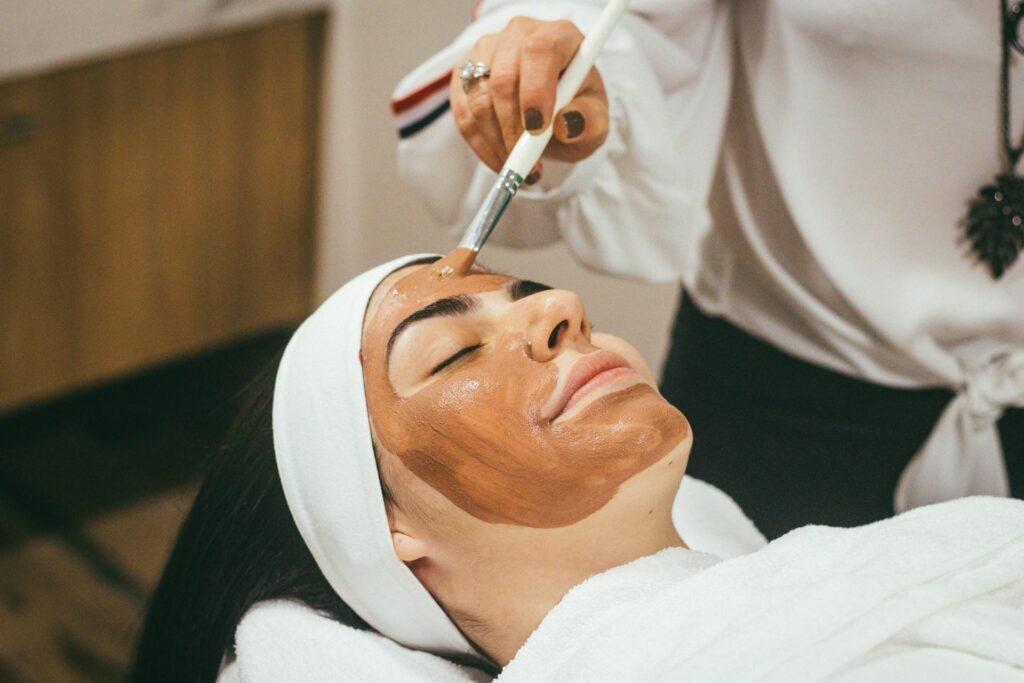
Skincare has quietly moved from the beauty counter to the wellness conversation. What was once considered a cosmetic concern – how your skin looks – is increasingly understood as a reflection of how your body functions. And as that understanding deepens, so does the commitment to daily skincare routines built not around vanity, but around long-term health.
The numbers tell their own story. The global skincare market was valued at over $155 billion in 2025, with projections pointing toward continued strong growth through the next decade. That trajectory isn’t driven purely by new product launches or social media trends – it reflects a genuine shift in consumer priorities. More people, across more age groups and demographics, are investing in their skin as part of a broader commitment to preventive health. According to a 2025 survey of U.S. adults, 89% actively purchase skincare products, and nearly half follow a dedicated daily routine. Among Gen Z respondents, engagement is even higher, with 58% purchasing a skincare product in the prior month alone.
The question isn’t whether skincare matters. It’s which habits actually make a difference – and how to sustain them consistently.
Why Daily Skincare Matters for Long-Term Skin Health
The skin is the body’s largest organ, spanning roughly 1.7 square meters in the average adult. It serves as the first line of defense against environmental stressors – UV radiation, pollution, pathogens, and temperature fluctuations – while also playing a key role in immune regulation, hydration retention, and sensory function.
When that barrier is compromised, the consequences extend beyond surface appearance. Chronic inflammation, accelerated photoaging, increased sensitivity, and a disrupted microbiome are all downstream effects of inadequate or inconsistent skin care. Dermatologists increasingly frame these outcomes not as inevitable signs of aging, but as largely preventable ones.
This reframing has given rise to the concept of skin longevity – treating the skin the way cardiovascular medicine treats the heart: through early, consistent, evidence-based preventive care. The goal is not to chase perfection in the mirror, but to preserve function, resilience, and barrier integrity over decades. That goal is achievable, and it starts with building the right daily habits now.
The Industry Shift Toward Smarter Skincare
The wider skincare industry is responding to this cultural shift toward simplicity and efficacy. The era of maximalist, layered routines has largely passed, replaced by consumer demand for transparency, clean ingredients, and science-backed formulations.
More than 59% of consumers now say they prefer skincare products made from natural or organic ingredients. That preference has driven significant growth in clean beauty and private-label categories, with brands increasingly investing in ingredient traceability and dermatological validation. Companies like Selfnamed, operating in the natural private label skincare products space, reflect this broader demand for simpler, more transparent formulations – a model that resonates with consumers who want to know what they’re applying to their skin and why.
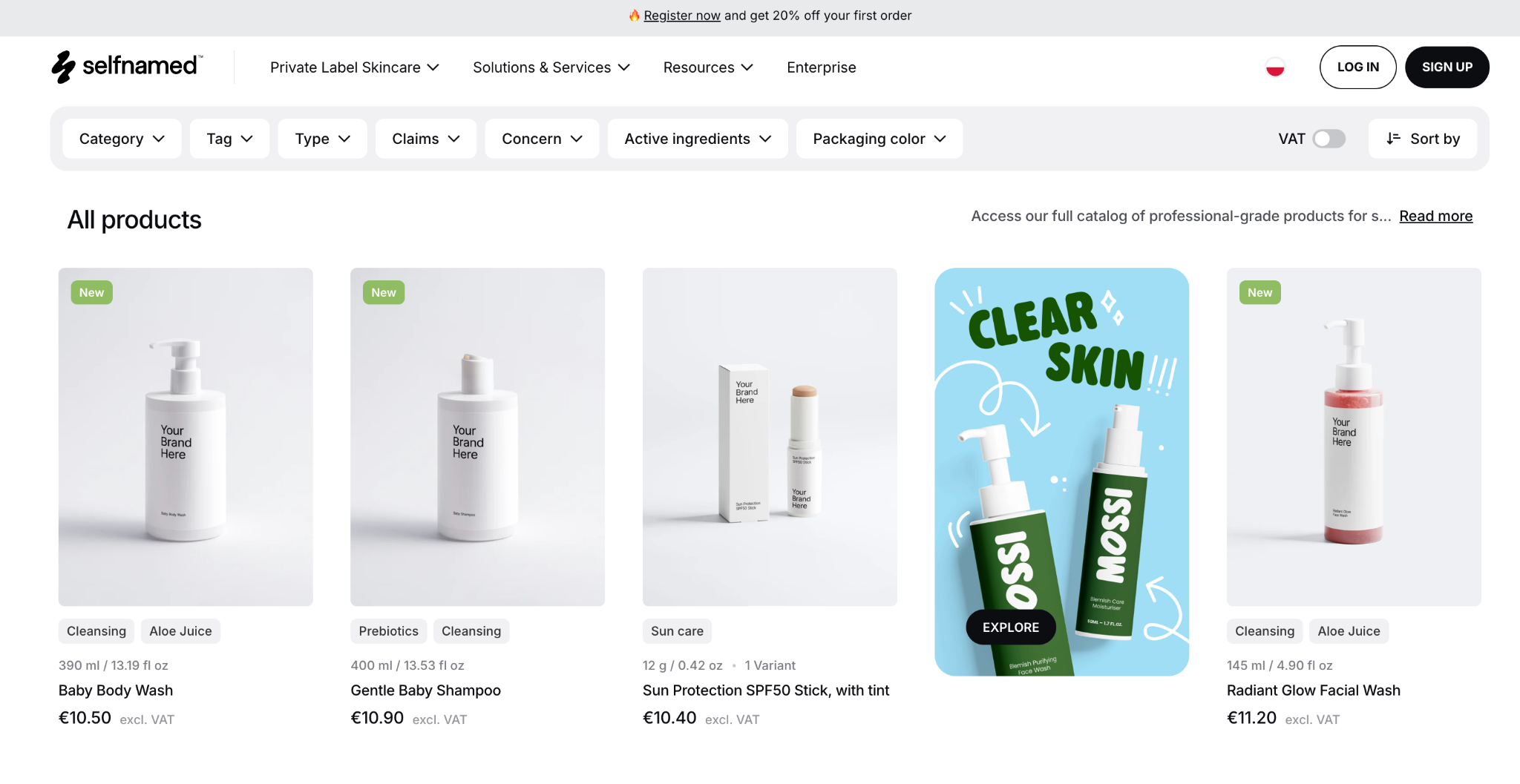
Personalization is also reshaping the category. AI-powered skin diagnostics, microbiome sequencing, and data-driven formulation are moving from innovation headlines into accessible consumer products. The underlying principle – that skincare should be tailored, targeted, and evidence-based rather than generic – aligns directly with what dermatologists have advocated for decades.
The result is an industry evolving toward smarter choices: fewer ingredients, clearer claims, and a closer connection between skincare and overall health.
Core Daily Skincare Practices
Gentle Cleansing
Cleansing is the foundation of any effective daily skincare routine, yet it’s also where many people inadvertently cause harm. Harsh cleansers, hot water, and over-washing strip the skin of its natural lipid barrier, triggering dryness, irritation, and an overproduction of sebum that can worsen breakouts.
The evidence-based approach is simple: use a mild, pH-balanced cleanser, cleanse no more than twice daily, and rinse with lukewarm rather than hot water. Around 72% of consumers already incorporate cleansers into their daily routines – but effectiveness depends as much on the product’s formulation and application method as on frequency.
For most skin types, a gentle surfactant-based cleanser free of synthetic fragrance and harsh detergents is sufficient. Those with compromised barriers or sensitive skin may benefit from micellar water or cream cleansers that clean without disrupting the acid mantle.
Consistent Hydration and Moisturization
Moisturization does more than soften skin – it actively supports barrier function by replenishing water content and reducing transepidermal water loss (TEWL). A well-hydrated barrier is better equipped to resist environmental damage, regulate inflammation, and repair itself after exposure to stressors.
The key ingredients to look for in a moisturizer are well-supported by dermatological research: ceramides reinforce the lipid matrix of the skin; hyaluronic acid draws moisture into the epidermis; glycerin acts as a humectant to lock hydration in. These aren’t marketing terms – they’re functional compounds with established mechanisms of action.
Moisturizing should happen immediately after cleansing, while skin is still slightly damp, to maximize ingredient absorption. Consistency matters more than the price tag: a basic ceramide-containing moisturizer applied daily outperforms an expensive serum used sporadically.
Sun Protection: The Non-Negotiable Step
If there is one step in any daily skincare routine that dermatologists universally agree on, it is broad-spectrum SPF. Ultraviolet radiation is responsible for approximately 90% of visible skin aging and is the primary environmental driver of skin cancer risk. Neither of those outcomes is reversible – but both are largely preventable.
Despite widespread awareness of sun damage, sunscreen remains significantly underused. A 2025 survey found that only 59% of consumers report using sunscreen regularly. Given that UV exposure occurs even on overcast days and through glass, daily SPF application should be treated as a non-negotiable habit rather than an occasion-based one.
Mineral formulas containing zinc oxide or titanium dioxide and chemical options featuring avobenzone or tinosorb both offer effective protection; the best sunscreen is whichever one a person will use consistently. SPF 30 is the minimum recommended level for daily wear; SPF 50 is preferable for extended outdoor exposure.
Barrier Repair and Microbiome Care
The skin microbiome – the community of bacteria, fungi, and other microorganisms living on the skin’s surface – plays a more significant role in skin health than was understood even a decade ago. An imbalanced microbiome has been linked to conditions including atopic dermatitis, rosacea, acne, and psoriasis.
Barrier repair products, particularly those containing ceramides, fatty acids, and cholesterol in physiologically relevant ratios, help restore the structural integrity of the stratum corneum. Microbiome-supportive formulations incorporating prebiotics or postbiotics represent a newer category within dermatology-backed skincare, with growing research supporting their role in reducing chronic skin inflammation.
The practical takeaway: avoid products that aggressively alter the skin’s pH or strip its surface flora. Fragrance-free, minimally processed formulas are generally better for long-term barrier health.
The Case for Minimalism
One of the clearest shifts in skincare over the past two years has been a move away from elaborate multi-step routines toward simpler, more intentional approaches. The 10-step routine – popularized by the K-beauty wave – has gradually given way to the philosophy that fewer, better-chosen products, applied consistently, produce superior results.
Overloading the skin with active ingredients – particularly combinations of exfoliating acids, retinoids, and vitamin C – can cause irritation, sensitization, and barrier breakdown. A minimal routine of cleanser, moisturizer, and SPF (morning) plus a targeted treatment serum (evening) is sufficient for most people and sustainable over the long term.
Common Mistakes That Undermine Skin Health
Understanding what not to do is as valuable as knowing what to do. Several widespread habits quietly erode the results of even a carefully built daily skincare routine.
Over-exfoliation is one of the most common culprits. Physical scrubs and chemical exfoliants – AHAs, BHAs, and enzyme peels – serve a purpose, but frequency matters. Most dermatologists recommend exfoliating no more than two to three times per week, with the frequency adjusted based on skin tolerance. Daily exfoliation disrupts the barrier faster than it can repair itself.
Inconsistency is equally damaging. Skincare compounds, particularly retinoids and niacinamide, require weeks of consistent application to produce visible results. Switching products frequently or abandoning routines after a few days prevents the skin from adapting and leaves no measurable benefit.
Ignoring ingredient interactions is another common misstep. Vitamin C and niacinamide, for instance, are often used together without issue, but pairing retinol with exfoliating acids on the same evening can cause significant irritation. Understanding basic ingredient chemistry – or consulting a dermatologist – helps prevent reactions that set skin health back.
Finally, chasing social media trends without scrutiny has contributed to widespread misuse of potent actives among consumers who lack context for safe application. Trend-driven skincare content moves faster than dermatological consensus. When in doubt, simpler is safer.
The Role of Lifestyle in Skin Health
The skin doesn’t exist in isolation from the rest of the body. Nutrition, hydration, sleep, and stress levels all have direct, documented effects on skin condition – effects that no topical product can fully counteract.
A diet rich in antioxidants (vitamins C and E, polyphenols) supports collagen synthesis and reduces oxidative stress. Omega-3 fatty acids, found in fatty fish, walnuts, and flaxseed, help maintain the lipid integrity of the skin barrier. Refined sugars and high-glycemic foods have been associated with increased acne severity and accelerated glycation – a process that breaks down collagen and elastin over time.
Sleep is when the skin does the majority of its repair work, with cell turnover and collagen production peaking during deep sleep phases. Chronic sleep deprivation elevates cortisol, which degrades collagen and impairs barrier repair. Even moderate stress, sustained over time, has been shown to trigger inflammatory skin conditions including eczema and psoriasis.
Hydration – drinking adequate water – contributes to skin plumpness and elasticity, though it doesn’t replace topical moisturization. The two work together. A genuinely healthy skin environment requires attention from both directions: what goes on the skin and what goes into the body.
Conclusion: Consistency Is the Active Ingredient
The most important insight in modern dermatology is also the least glamorous: consistency matters more than complexity. A well-chosen, simple daily skincare routine – gentle cleanser, effective moisturizer, broad-spectrum SPF – applied every single day will outperform an elaborate regimen followed erratically.
Skin is slow to respond and even slower to forgive neglect. The benefits of daily SPF, consistent hydration, and barrier support accumulate over months and years in ways that are invisible in real time but become unmistakable over decades. The same is true of the damage done by chronic neglect or harsh habits.
The shift toward skin longevity as a framework for daily skincare routine decisions is a meaningful one. It repositions skincare not as a trend to follow or a product to buy, but as a set of small, repeatable actions with compounding long-term returns. The habits you build today – and maintain tomorrow – are the foundation of the skin health you’ll have at 50, 60, and beyond.
Start simple. Stay consistent. Let time do the rest.