

The food we consume has a profound impact not only on our health but also on the environment. In recent years, a shift towards mindful eating has brought greater attention to sustainable seafood and its nutritional benefits. For those looking to enhance their diets with nutrient-dense options while supporting environmental stewardship, seafood offers an excellent avenue. But what should you consider when choosing seafood for your meals?
The Nutritional Edge of Fresh Seafood
Seafood is renowned for being a powerhouse of nutrients. Rich in omega-3 fatty acids, lean protein, vitamins, and minerals, it has been a cornerstone of many healthy eating patterns, including the Mediterranean diet. Omega-3s, in particular, play a critical role in supporting heart health, cognitive function, and reducing inflammation.
For those seeking to diversify their protein intake, seafood provides a clean, low-fat alternative to red meats. It also contains essential micronutrients like selenium, vitamin D, and iodine, which contribute to immune health and overall well-being. The ocean’s bounty is vast, offering countless ways to integrate delicious and nutritious options into your meal plans.
Navigating Sustainability in Seafood Choices
While seafood’s nutritional benefits are well-documented, the ecological footprint of your choices also matters. Unsustainable fishing practices and the environmental toll of aquaculture have raised concerns about the future of marine ecosystems. Consumers now have the power to make informed decisions by seeking out seafood options that align with sustainable fishing practices.
Labels such as MSC (Marine Stewardship Council) certification and programs promoting traceable seafood help ensure that what you’re eating supports healthy ocean ecosystems. Beyond environmental impact, these practices often result in better-quality seafood. For instance, sustainably sourced options like wild caught salmon are not only rich in essential nutrients but also a choice that reflects responsible harvesting methods.
Comparing Wild and Farmed Seafood
One of the most common debates in seafood revolves around wild versus farmed options. While both have merits, understanding their differences is crucial for making the best choice for your health and the environment.
Wild Seafood: Wild seafood, such as wild caught salmon, is sourced directly from its natural habitat. Because these fish feed on a natural diet, they often have higher levels of omega-3 fatty acids and a firmer texture. Their harvesting also supports traditional fishing communities.
Farmed Seafood: On the other hand, farmed seafood offers a more controlled production process. While this helps meet global demand, some aquaculture operations have been criticized for water pollution and the overuse of antibiotics. However, improvements in sustainable aquaculture practices are making farmed seafood a more viable choice for consumers who prioritize accessibility and affordability.
Incorporating Seafood into a Balanced Diet
To make seafood a consistent part of your diet, variety is key. Each type of seafood brings a unique set of flavors and nutritional benefits. Consider these tips:
- Opt for Fresh and Seasonal Options: Freshly sourced seafood often retains more of its natural flavor and nutrients. Visit local markets to discover what’s in season.
- Experiment with Cooking Methods: From grilling and baking to steaming and poaching, there are countless ways to prepare seafood. Each method can enhance its flavor while preserving its nutritional value.
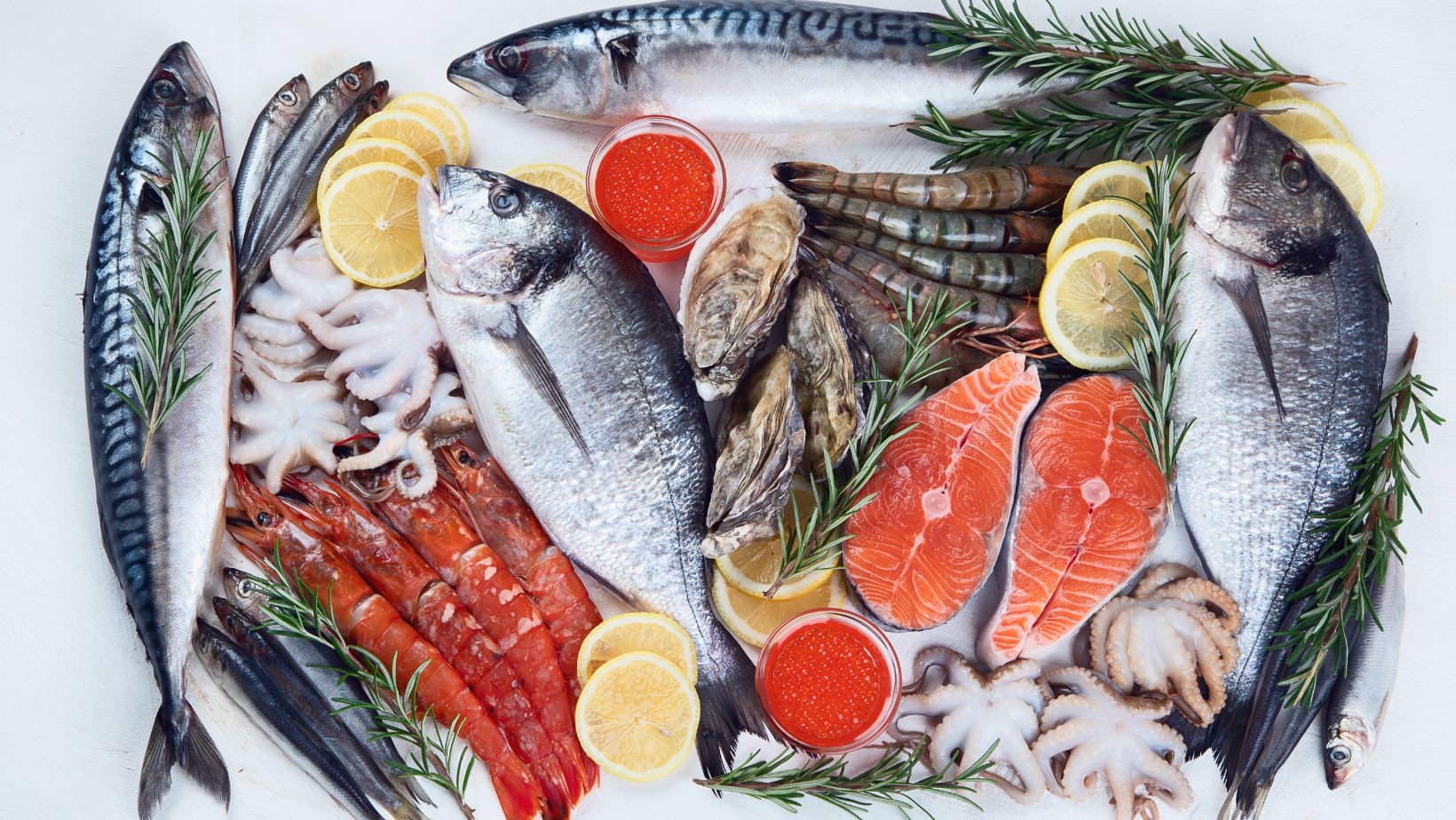
- Pair It with Plant-Based Ingredients: Complement seafood with vibrant vegetables, whole grains, and healthy fats for a complete meal. Think grilled salmon with quinoa and roasted asparagus or shrimp tacos with avocado salsa.
The Role of Seafood in Preventative Health
Including seafood in your diet isn’t just about taste; it’s also a smart choice for long-term health. Studies have shown that consuming seafood twice a week can reduce the risk of heart disease, support healthy brain aging, and improve overall metabolic function. The anti-inflammatory properties of omega-3 fatty acids play a critical role in reducing the risk of chronic diseases, including arthritis and diabetes.
For athletes or those with active lifestyles, seafood offers an excellent source of lean protein to aid muscle recovery and repair. Its nutrient density makes it an ideal addition to post-workout meals.
Making Mindful Choices at the Market
To ensure you’re getting the best quality, keep these tips in mind when purchasing seafood:
- Know Your Source: Ask questions about where and how the seafood was sourced. Transparency from sellers is a hallmark of quality and sustainability.
- Inspect Freshness: Fresh seafood should have a clean, briny smell—never overly fishy—and a vibrant appearance. For fillets, look for firm flesh and clear edges.
- Frozen Options Are Valid: Don’t overlook frozen seafood. It’s often flash-frozen at peak freshness, preserving nutrients and flavor.
Final Thoughts
As we strive to build healthier eating habits and a more sustainable future, choosing the right seafood is a step in the right direction.

By prioritizing nutrient-rich and environmentally responsible options, you’re making a decision that benefits both your health and the planet. Next time you’re planning a meal, consider incorporating seafood that reflects your values—your body and the environment will thank you.