
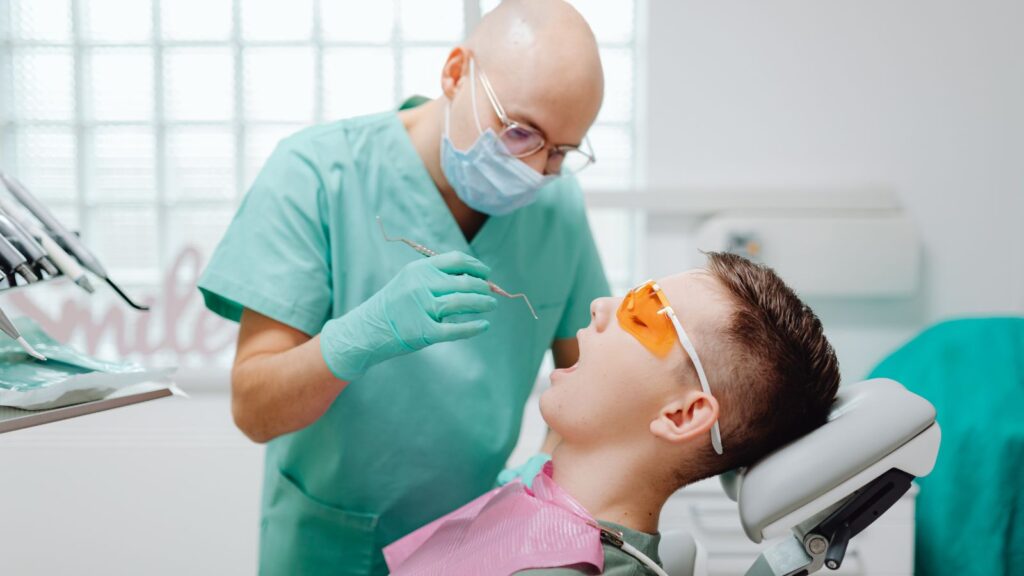
Same-day implants can save you months of waiting by placing an implant and a temporary crown in one visit, but they aren’t right for everyone. You may qualify if you have good overall health, strong jawbone support, and healthy gums; if those conditions aren’t met, traditional staged implants usually offer a safer path.
This article explains how immediate-load implants work, what dentists look for when deciding eligibility, and the risks—like higher early failure rates or complications when primary stability is inadequate—so you can weigh speed against long-term success. Expect clear guidance on who typically qualifies, the trade-offs involved, and how to decide whether same-day treatment fits your situation, especially if you are exploring same day smile in woodbury MN
Understanding Same-Day Implants (Immediate Load)
Same-day implants place a stable temporary tooth on an implant the same day the implant is placed, relying on sufficient bone stability and careful surgical technique. You will usually get a temporary crown or prosthesis that protects the site and restores function while the implant integrates.
How Immediate Load Implants Work
You receive a dental implant (a titanium or titanium-alloy screw) surgically placed into the jawbone. The implant must have primary stability—tight mechanical engagement with bone—measured by insertion torque or implant stability metrics.
Clinicians attach a provisional crown or fixed prosthesis the same visit. That temporary crown is shaped to minimize chewing forces and avoid heavy contacts to protect the implant during early healing. You will follow a controlled diet and hygiene plan while osseointegration (bone fusing to the implant) occurs over weeks to months.
Your dentist monitors healing with clinical checks and sometimes radiographs. If stability decreases, the provisional may be removed and a conventional healing protocol used instead.
Key Differences From Traditional Implants
Immediate load implants differ mainly in timing: you get a provisional tooth day-of instead of waiting months. Traditional implants use a healing period (often 3–6 months) before loading to let bone form undisturbed.
Immediate load requires higher initial stability and better bone quality; traditional implants tolerate lower initial stability and can be used in more compromised sites. Immediate load can reduce total treatment time and temporary toothless periods, but it can increase early failure risk if the implant moves under load.
Immediate protocols demand stricter surgical control, prosthetic planning, and patient compliance with diet and oral hygiene compared with conventional approaches.
Types of Same-Day Implant Procedures
- Immediate single-tooth implant with provisional crown: used when you replace a single front tooth or premolar and have good bone support.
- Immediate implant in an extraction socket (immediate placement): implant placed into the tooth socket the same appointment as extraction; often paired with a provisional when stability allows.
- Full-arch immediate load (All-on-4/All-on-X): multiple implants support a fixed provisional bridge the same day for edentulous or near-edentulous arches; requires careful planning and typically uses tilted implants to maximize bone use.
- Hybrid/overdenture immediate load: a bar-retained temporary prosthesis attached to implants for improved retention during healing.
Each option has specific candidacy criteria: bone density, absence of active infection, controlled systemic health, and realistic occlusal loading expectations.
Eligibility Criteria for Immediate Load Dental Implants
Immediate-load implants require specific oral health, medical stability, bone support, and surgical assessment. You must meet firm criteria for implant stability, gum health, and overall health to reduce failure risk and support a provisional restoration the same day.
Essential Health and Oral Requirements
You need adequate bone height and density at the implant site to achieve high primary stability (typically measured as insertion torque ≥35 Ncm or ISQ ≥60).
Healthy, infection-free gums are required; untreated periodontal disease or active infection at the site is a contraindication.
Good systemic health matters: well-controlled diabetes (HbA1c preferably <7%), no recent radiotherapy to the head/neck, and no immunosuppressive conditions improve success rates.
Smoking increases failure risk; you should stop or significantly reduce smoking before and after surgery.
Medications that impair bone healing (high-dose bisphosphonates, certain chemotherapy agents) may exclude you unless cleared by your physician.
Ideal Patient Profiles
You are an ideal candidate if you have a single tooth to replace or a full-arch case with plans for immediate provisionalization and you present with solid bone and healthy soft tissue.
Patients with good oral hygiene and regular dental follow-up fit best because maintenance and monitoring are critical during the early osseointegration phase.
You should have a stable occlusion and low parafunctional forces; minimal bruxism or clenching and, if present, willingness to use a nightguard improves prognosis.
You will likely qualify if you want reduced treatment time and accept a provisional restoration that may be adjusted or replaced after healing.
Factors That May Affect Qualification
Poor bone volume or severe bone defects at the implant site often require grafting and delay immediate loading.
Active periodontal disease, unaddressed caries, or sinus pathology can disqualify you until those issues are treated.
Uncontrolled systemic illnesses (unstable cardiovascular disease, poorly controlled diabetes) and recent bisphosphonate therapy increase complication risk and may preclude same-day loading.
Heavy smokers, patients with heavy occlusal loads, or those unwilling to follow postoperative restrictions may be steered to delayed loading.
Financial or logistical constraints that prevent necessary follow-up care can also influence the treatment plan and eligibility.
Pre-Surgical Assessment Process
Your dentist will perform a clinical exam, periodontal charting, and tooth-level assessment to evaluate soft tissue health and occlusion.
Cone-beam CT (CBCT) imaging assesses bone quantity, quality, and anatomical boundaries (sinus, nerves). This imaging informs implant size, angulation, and whether grafting is needed.
Digital or physical models and bite records help plan provisional restoration contours and occlusal scheme to minimize immediate load stresses.
Medical history review and, when indicated, blood tests and physician clearance ensure systemic risks are controlled before proceeding.
Potential Risks and Considerations
Same‑day (immediate‑load) implants can shorten treatment time but introduce specific surgical, mechanical, and biological risks that affect early healing and long‑term success. You need to weigh infection, implant stability, bone quality, occlusion, and clinician experience before proceeding.
Common Complications
You may experience early implant mobility, which often signals failure of osseointegration if it occurs within the first few weeks. Mobility increases when immediate loading transfers bite forces to an implant that has not reached primary stability.
Infection and soft‑tissue complications are possible after surgery. Signs to watch for include persistent swelling, increasing pain, fever, or purulent drainage; these require prompt evaluation and may need antibiotics or debridement.
Provisional prosthesis‑related problems include fracture, improper fit, or occlusal overload. A rigid, passively fitting provisional that evenly distributes forces reduces these risks, especially in multi‑implant splinted restorations.
Long-Term Outcomes and Success Rates
Immediate‑load implants can reach comparable success rates to delayed protocols in selected cases. Studies show similar mid‑term survival when implants achieve adequate insertion torque and are splinted across a full arch.
However, single‑tooth immediate loading carries a somewhat higher early failure risk than delayed loading if case selection or prosthetic control is poor. Long‑term bone stability depends on initial stability, atraumatic placement, and controlled loading during healing.
Expect slightly higher variability in outcomes when immediate placement follows an extraction with thin buccal bone or active infection. Your clinician should review survival data for similar clinical scenarios before recommending the approach.
Risk Factors Affecting Healing
Insufficient primary stability (low insertion torque or poor bone‑to‑implant contact) strongly predicts early failure. You should ask your surgeon about measured torque values and any intraoperative testing used to confirm stability.
Compromised bone quality, especially Type III–IV bone or thin cortical plates, reduces implant anchorage and increases micromotion risk. Ridge defects, recent extractions, or sinus proximity add complexity.
Systemic conditions and habits matter. Smoking, uncontrolled diabetes, osteoporosis, and immunosuppression impair bone healing and raise infection risk. Medications like bisphosphonates or antiresorptives warrant special review and may contraindicate immediate loading.
Precautionary Measures for Patients
Confirm thorough preoperative imaging (CBCT) and planning to assess bone volume, nerve and sinus locations, and prosthetic space. Clear visualization reduces surprises and lets your team plan implant dimensions and angulation.
Follow strict postoperative instructions: soft diet for the prescribed period, avoid chewing on the surgical side, maintain oral hygiene with gentle rinses, and attend scheduled follow‑ups. Early reporting of swelling, persistent pain, or loosening speeds intervention and can save an implant.
Choose a provider who documents insertion torque, uses appropriate provisional design (rigid splinting when indicated), and has experience with immediate‑load protocols. Ask about contingency plans if an implant fails, including timelines for removal and options for delayed placement.
Making an Informed Decision
You need clear information about clinical suitability, alternatives, and the care you’ll need after the procedure. Focus on facts: what the dentist will evaluate, other valid tooth-replacement choices, and the concrete steps for recovery and follow-up.
Consultation and Professional Evaluation
Your dentist or oral surgeon will review your medical history, current medications, and any systemic conditions like diabetes or osteoporosis that affect healing. Expect a clinical exam of soft tissues and occlusion, plus imaging—typically CBCT—to measure bone volume, density, and proximity to nerves or sinuses.
They will assess immediate stability potential by measuring primary implant torque or insertion depth and decide if a provisional crown is safe. If bone grafting, sinus lift, or extractions are needed first, same-day loading may be deferred. Ask for documented success rates in similar cases, the specific implant system proposed, and whether guided surgery or a surgical guide will be used.
Bring recent medical records and a list of medications. Request a written treatment plan with timeline, costs, and contingency steps if osseointegration fails.
Alternative Tooth Replacement Options
Compare same-day implants to delayed implants, fixed bridges, and removable dentures by durability, cost, treatment time, and maintenance needs.
- Delayed (traditional) implants: Surgery first, provisional restoration later; lower immediate failure risk.
- Fixed bridges: Faster and less costly up front but require preparation of adjacent teeth and offer no bone preservation.
- Removable dentures: Least invasive and least expensive initially; can accelerate bone loss and require periodic relines.
Match options to your priorities: speed versus long-term predictability, willingness to undergo additional surgery, and budget. Ask about implant-supported overdentures if you need multiple teeth replaced—these often balance stability and cost.
Post-Procedure Care and Follow-Up
Follow specific home-care steps: avoid chewing on the implant side for the first weeks, use prescribed antimicrobial rinses, and take antibiotics or analgesics exactly as directed. Control swelling with ice for 24–48 hours and keep sutures clean; some sutures dissolve, others need removal at 7–14 days.
Schedule follow-up visits at 1 week, 4–6 weeks, and 3–6 months to monitor soft tissue healing and radiographic integration. Your clinician will check insertion torque, assess for mobility, and may repeat CBCT or periapical radiographs to confirm bone integration. Report persistent pain, increasing swelling, fever, or implant mobility immediately.
Long-term maintenance includes routine hygiene appointments every 3–6 months, use of a non-abrasive interdental cleaner around implants, and avoiding habits that stress implants (grinding, hard foods).