

You’re running late, skipped breakfast, and now it’s lunchtime. You’re starving — but between meetings, emails, and deadlines, who has time to cook? Fast food is tempting, and that granola bar in your bag won’t cut it, but is there a better option?
Finding healthy lunch options can feel impossible for busy individuals. Convenience often wins over nutrition, leaving them feeling sluggish and dissatisfied. But staying healthy doesn’t have to be complicated.
This guide will provide helpful nutritional tips for fueling your day, from stocking up on ready-to-eat meals made from 100% organic ingredients to changing the way you cook and choosing delicious vegan options.
No more last-minute takeout or settling for whatever’s in the office pantry — just quick, practical solutions to keep you energized without the hassle.
Master Nutrition Facts Labels
Eating healthy goes beyond choosing the “low-fat” option. It’s about understanding what’s actually in your food. Nutrition labels hold the key to smarter. Here’s how to quickly break it down:
Serving Information
Ever eaten a snack thinking it’s just 150 calories, only to realize you had three servings already? That’s the catch—serving size matters. Labels list nutrition facts per serving, not per package.
If a small bag of chips says “two servings,” double those calories and nutrients. Serving sizes are standardized, so you can compare products easily, but always check how many servings you’re really eating.
Calories
Calories fuel your body, but too many can lead to weight gain. Your daily needs depend on factors like age and activity level, but 2,000 calories is the general guideline.
Watch out for foods that seem “healthy” but pack extra calories through added sugars or fats. And remember, if you eat more than one serving, you’re getting more than what’s listed on the label.
Nutrients
Not all nutrients are created equal. Some should be on your plate more often, while others should be limited.
✔ Eat More: Fiber, vitamins (like Vitamin D), minerals (like calcium, iron, and potassium)
✖ Eat Less: Saturated fat, sodium, added sugars
The trick? Check the total sugars line. Natural sugars (like those in fruit) are fine, but added sugars sneak into processed foods. If yogurt has 12g of total sugar (including 8g of added sugar), most of that sugar isn’t from the milk — it’s been added.
Percent Daily Value (%DV)
The %DV tells you if a food is high or low in a nutrient. It’s your shortcut to making better choices:
- 5% DV or less = Low
- 20% DV or more = High
Want more fiber? Aim for a higher %DV. Trying to cut back on sodium? Look for lower numbers. Quick and easy.
Bottom line: Nutrition labels don’t have to be confusing. With a quick scan of the serving size, calories, key nutrients, and %DV, you can make informed choices without spending hours reading every label.
Consider Going Vegetarian
Making healthier choices doesn’t mean complicated meal plans — it can be as simple as adding more plant-based foods to your routine.
A diet rich in vegan products simplifies decision-making. No need to overthink which meats are lean or which cuts are healthier. More plant-based foods mean more fiber, vitamins, and antioxidants—without the extra saturated fat found in many animal-based products.
Worried you won’t get enough protein? That’s one of the biggest misconceptions about the vegetarian diet. Plenty of plant-based options like lentils, chickpeas, tofu, and quinoa offer all the protein you need.
Busy schedules? No problem.
The following swaps can help you make small but impactful changes:
- Chicken wraps = hummus and veggie wraps
- Milk lattes = almond or oat milk lattes
- Egg breakfast = smoothie with plant-based protein
You don’t need to go fully vegetarian overnight. Just swapping a few meals per week with plant-based alternatives can boost energy, improve digestion, and simplify meal planning. With so many vegan products available, making the switch — even partially — has never been easier.
Switch to Healthy Cooking Methods
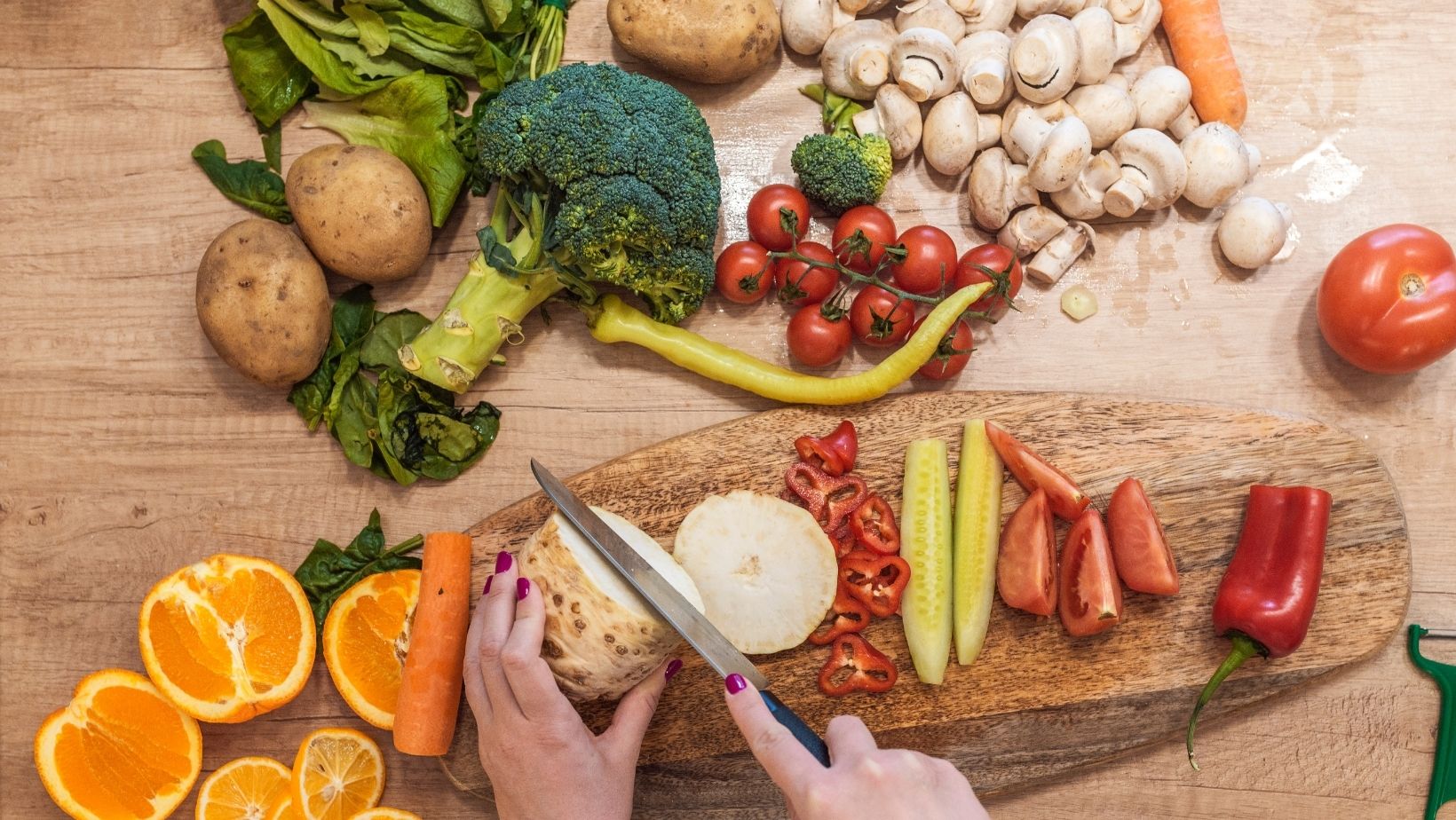
When life gets hectic, cooking often feels like a chore. But what if you could make your meals healthier without adding extra effort? Organic food recipes and small tweaks in how you prepare food can make a big difference in nutrition.
- Choose whole, minimally processed ingredients. Cooking from scratch doesn’t mean elaborate meals; it just means skipping unnecessary additives.
- Switch to whole grains and opt for fresh or frozen vegetables instead of canned ones to instantly boost a meal’s nutritional value.
Cooking methods matter, too. Deep-frying and charring foods at high temperatures create harmful compounds, while steaming and boiling keep nutrients intact without extra fats. If you love roasting or grilling, lower the heat and avoid overcooking to reduce carcinogen formation.
Have a Backup Plan
During days when cooking is impossible, it’s easy to grab the quickest (and often least nutritious) meal available. But don’t give in – ready-to-eat meals can help you get a quick balanced meal without compromising your health.
Look for 100% organic products with clean ingredients. If you need something hearty, opt for lasagna, sandwiches, or rice bowls. For lighter choices, go for fresh salads, sushi, or soups.
Healthy Eating Made Simple
Eating well doesn’t have to be complicated or time-consuming.
Small, mindful changes—like choosing whole ingredients, cooking smarter, and seasoning with herbs—can make a big impact on your health without any extra effort.