
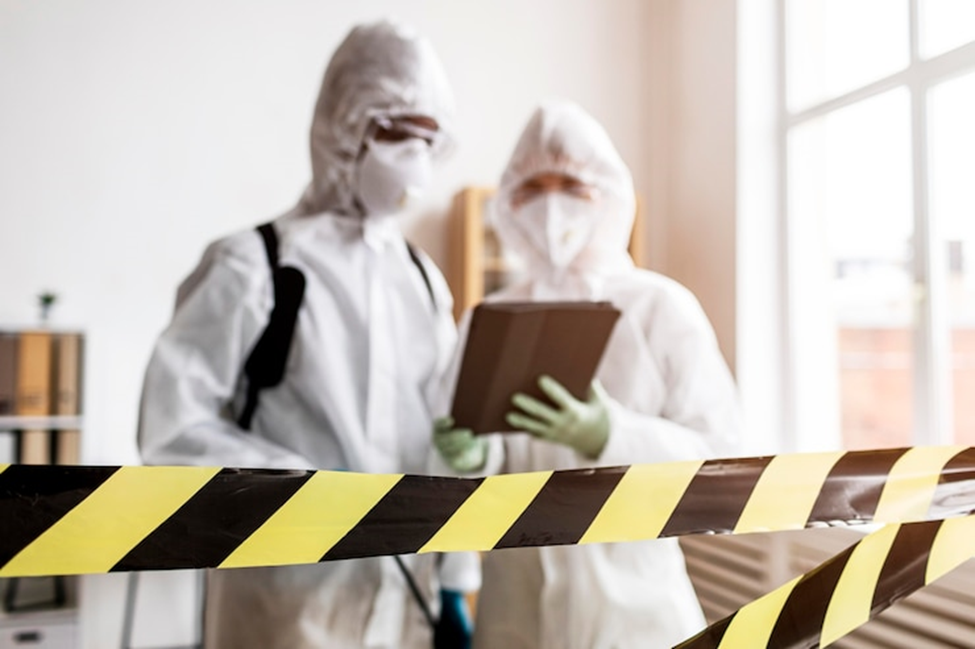
Asbestos is a naturally occurring fibrous mineral that was once lauded for its remarkable properties, including heat resistance, insulation, and strength. These characteristics led to its widespread use in countless industries and products throughout the 20th century. However, the dark side of this seemingly miraculous material emerged with the discovery of its severe health risks. Inhaling or ingesting asbestos fibers can lead to debilitating and often fatal diseases such as mesothelioma, asbestosis, and lung cancer.
Below are the places where you may get exposed to asbestos, which is crucial for protecting your health.
Residential Buildings
Residential buildings are among the most common places where asbestos is found. Homes, particularly those built before the 1980s, are a significant source of asbestos exposure. Asbestos was commonly used in various building materials due to its fire-retardant and insulating properties. You might find it in insulation (loose-fill, batt, and spray-on), floor tiles (especially vinyl asbestos tiles), ceiling tiles, roofing materials (shingles and corrugated sheets), cement products (siding, pipes, and sheets), and textured paints or popcorn ceilings. Even seemingly innocuous items like older appliance insulation or electrical wiring insulation can contain asbestos.
When these materials are disturbed through renovation, demolition, or simple wear and tear, microscopic asbestos fibers can become airborne, posing a serious risk to occupants.
Commercial and Public Buildings
Similar to residential properties, many commercial and public buildings constructed before the 1980s contain asbestos. Schools, hospitals, office buildings, theaters, and government facilities often utilized asbestos in their construction. This includes boiler and pipe insulation, fireproofing materials sprayed onto structural steel, acoustical plaster, and even some elevator brake linings.
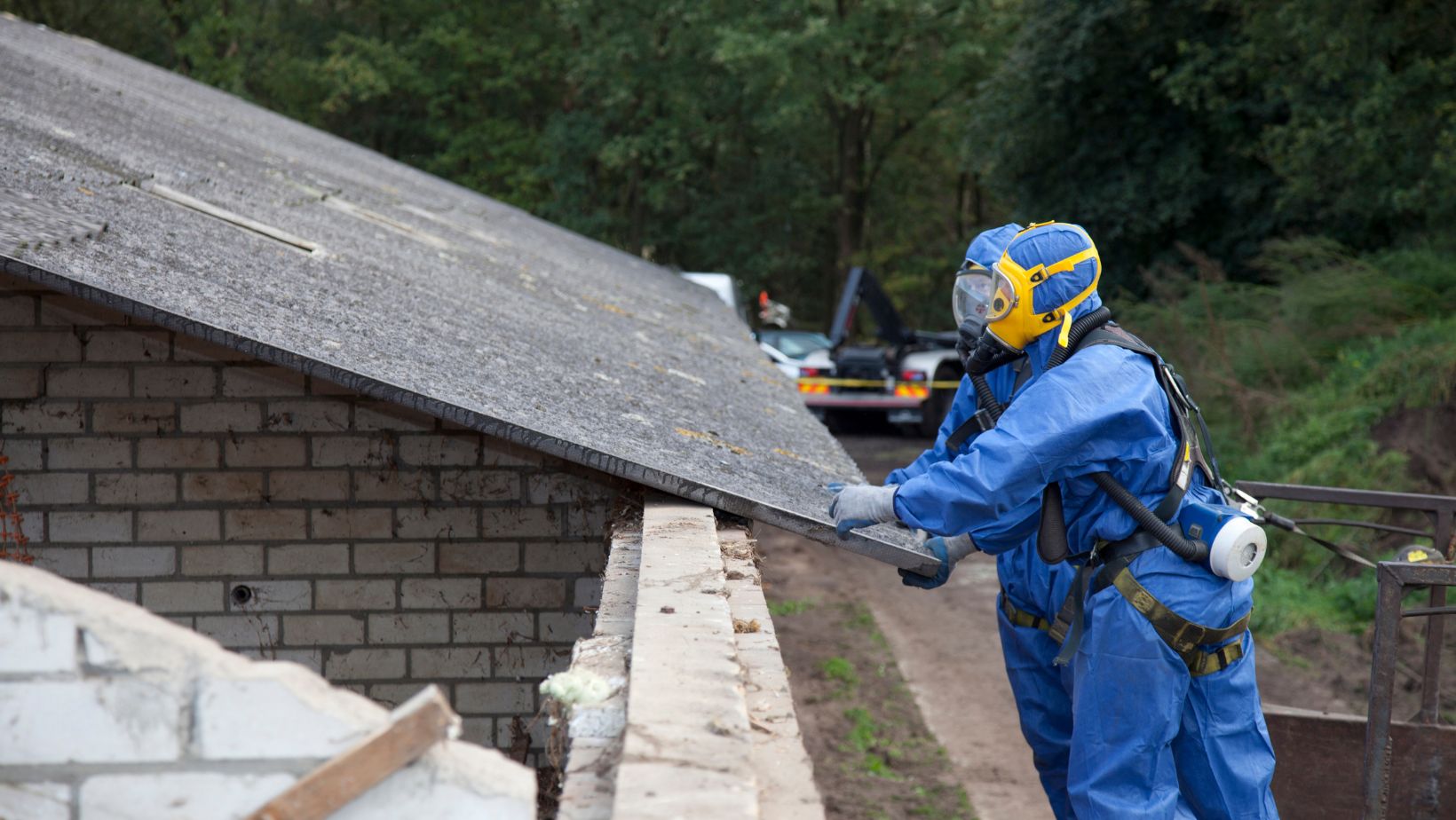
Workers involved in the maintenance, renovation, or demolition of these structures are at a heightened risk of exposure. Even visitors or occupants can be exposed if asbestos-containing materials are damaged or poorly maintained, releasing fibers into the air.
Industrial Settings and Workplaces
Historically, industrial workplaces represented some of the most dangerous environments for asbestos exposure. Industries such as shipbuilding, manufacturing, construction, power generation, and automotive repair heavily relied on asbestos products. Shipyards, for instance, used asbestos extensively for insulation in engine rooms and pipe lagging. Textile mills processed asbestos into fireproof fabrics.
Automotive mechanics regularly encountered asbestos in brake pads and clutch linings. While regulations have significantly reduced asbestos use in new products, legacy asbestos still exists in many industrial facilities. Workers in these environments, particularly those involved in maintenance, demolition, or handling older machinery, face ongoing risks.
Military Installations and Veterans
The military, particularly the Navy, utilized asbestos extensively in ships, barracks, and other facilities for fireproofing and insulation.
Veterans who served between the 1930s and 1980s, especially those who worked in shipyards, aboard naval vessels, or in construction roles, have a disproportionately high rate of asbestos-related diseases. The close quarters and often poor ventilation on ships exacerbated the risk of exposure.
The legacy of asbestos in military applications continues to affect veterans today, making military installations one of the significant places where you may get exposed to asbestos.
Natural Deposits
Asbestos is a naturally occurring mineral, and as such, it can be found in certain geological formations. While direct exposure from natural deposits is less common for the general population, individuals living near or working in areas with asbestos-rich soil or rock formations may be at risk. This includes miners, geological surveyors, and construction workers who disturb the ground in such regions. Recreational activities in these areas, like off-roading or hiking, could also potentially release asbestos fibers into the air.
The widespread historical use of asbestos means that the potential for exposure exists in a surprising number of environments. From the comfort of your own home to public buildings, industrial sites, and even natural landscapes, understanding where asbestos may lurk is the first step in mitigating the risks. Awareness, coupled with professional assessment and abatement, when necessary, is vital for safeguarding public health from this dangerous silent killer.