
When considering ways to support or improve your oral health, many people think about tools like seeing an Orthodontic specialist to adjust alignment or bite. But beyond braces or professional interventions, what you eat every day plays a huge role, not just for your teeth, but for your gums, your mouth’s microbial balance, and your overall health. Nutrition isn’t just about avoiding cavities; it shapes many silent but important aspects of wellness that often go unnoticed.
In this article, we’ll explore how diet links with oral health, what kinds of foods help or harm, how nutrition and oral care together reinforce well-being, and practical steps you can use immediately.
How Diet & Nutrition Tie Into Oral Health
Food and drink impact your mouth in multiple ways:
● Enamel strength and demineralisation: Sugars and fermentable carbohydrates feed bacteria in plaque. These bacteria release acids that erode tooth enamel. Frequent snacking or sipping sugary drinks creates repeated acid exposure, weakening enamel and leading to cavities.
● Gum health & inflammation: Nutrients like vitamin C, calcium, vitamin D, and antioxidants keep gum tissue strong and resilient. A lack of these nutrients can make gums bleed easily, weaken connective tissue, and increase risk of periodontal disease.
● Saliva production: Saliva is nature’s defense, neutralizing acids, washing away food, and delivering minerals back to enamel. Diets low in water or high in dehydrating drinks (like alcohol or coffee) reduce saliva, heightening decay and halitosis risk.
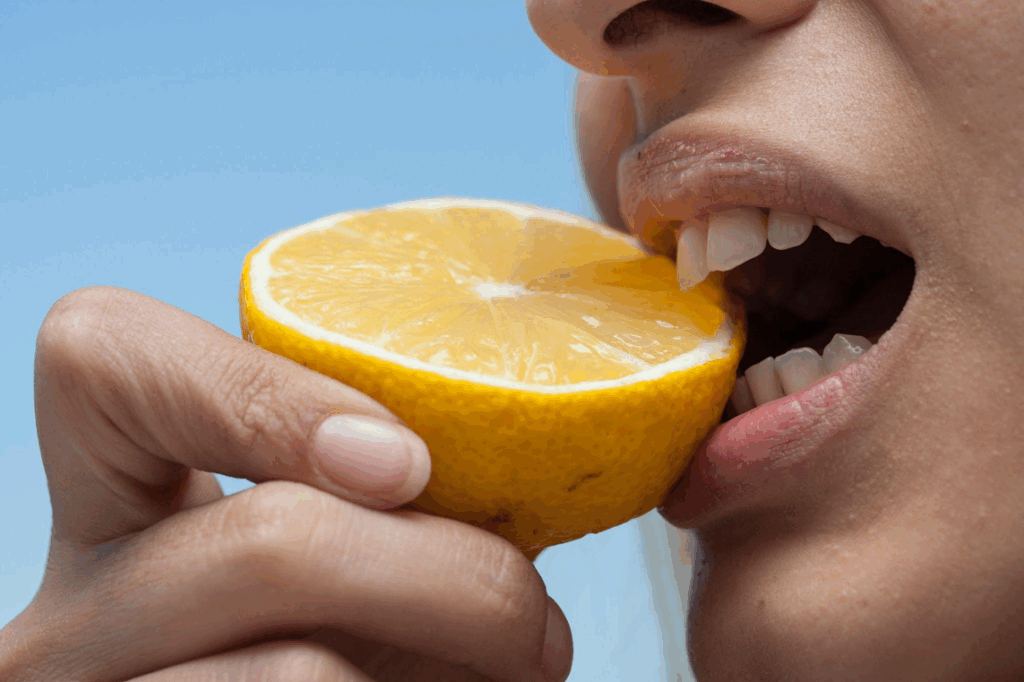
● Acidic foods and erosion: Citrus fruits, sodas, and vinegary foods may be nutritious in moderation, but their acidity can gradually erode enamel, making teeth thinner and more sensitive.
What the Research Says
Health authorities consistently highlight the diet–oral health connection:
● The American Dental Association (ADA) stresses that nutrition is a two-way street: poor diet contributes to oral disease, while poor oral health can reduce the ability to chew and absorb nutrients, creating a cycle of harm.
● The World Health Organization (WHO) notes that excessive sugar intake remains one of the primary drivers of dental caries worldwide, and reducing added sugar is among the most effective preventive steps.
● A review in the Journal of the Academy of Nutrition and Dietetics shows that nutrient deficiencies, particularly in vitamins A, C, and D, are linked not just to oral issues like gingivitis and delayed healing, but also to systemic effects including immune dysfunction.
Foods & Nutrients That Help , And Those That Harm
Here are specific nutrition practices that make a difference:
Helpful Nutrients & Foods
● Calcium & Phosphorus: Dairy, leafy greens, nuts, and fish help strengthen enamel and bone.
● Vitamin C: Citrus fruits, strawberries, peppers, and tomatoes support gum health and tissue repair.
● Vitamin D: Fatty fish, fortified foods, and safe sun exposure improve calcium absorption and reduce inflammation.
● Fiber-rich produce: Crunchy vegetables and fruits stimulate saliva and mechanically clean teeth.
● Water: Especially fluoridated water where available, to wash away particles and strengthen enamel.
Foods & Habits That Harm

● Sugary snacks & drinks: Candy, soda, sweetened coffee drinks, and energy drinks create constant acid attacks on enamel.
● Acidic beverages: Citrus juices, wine, sports drinks erode enamel over time, especially if sipped slowly.
● Sticky foods: Dried fruits, chewy candies, and starchy snacks can cling to teeth, prolonging acid exposure.
● Frequent grazing: Even healthy snacks can harm when eaten too often without oral care, as they give bacteria steady fuel.
Beyond the Mouth: Systemic Connections
Nutrition and oral health don’t exist in isolation, they influence broader systems:
● Digestive health: Proper chewing (easier with strong teeth and gums) supports digestion and nutrient absorption.
● Heart disease & diabetes: Gum inflammation is linked to higher risk of systemic inflammation, insulin resistance, and cardiovascular issues. Poor diet compounds these risks.
● Mental well-being: Pain, bad breath, or visible decay can undermine self-confidence and social interactions, while a nutrient-rich diet supports both oral and brain health.
How Nutrition Interacts with Other Oral Health Practices
Diet amplifies or undermines all other dental efforts:
● Hygiene synergy: Brushing with fluoride, flossing, and professional cleanings are far more effective when the diet isn’t constantly undermining enamel.
● Restorations & appliances: Fillings, crowns, and braces last longer and perform better with a nutrient-dense diet. Sticky, sugary foods can compromise orthodontic or restorative work quickly.
● Preventive care: Sealants, fluoride treatments, and alignment all offer greater long-term benefit when diet reduces bacterial activity and supports mineralization.
Practical Nutrition Tips for Everyday Oral Health
● Limit added sugar to less than 10% of daily calories, ideally below 5%.
● Enjoy sweets with meals rather than as frequent snacks.
● Rinse with water after acidic or sugary foods to dilute acids.
● Choose cheese, nuts, or crunchy vegetables as snacks, they help balance oral pH.
● Stay hydrated throughout the day; plain water is the best option.
● Consider chewing sugar-free gum with xylitol after meals to stimulate saliva.
● Balance your plate: protein, fiber, and whole foods reduce blood sugar spikes and protect oral tissues.
Nutrition plays a profound role in oral health, not only in preventing cavities but also in preserving gums, strengthening enamel, and maintaining saliva balance. What you eat daily can either erode or protect your smile, while also shaping your energy, mood, and long-term wellness.
Pairing a nutrient-rich diet with consistent hygiene, preventive dental visits, and mindful lifestyle choices creates a foundation for both oral and systemic health. By thinking of nutrition as an extension of your oral care routine, you’ll protect more than just your teeth, you’ll be investing in your whole body’s well-being.