
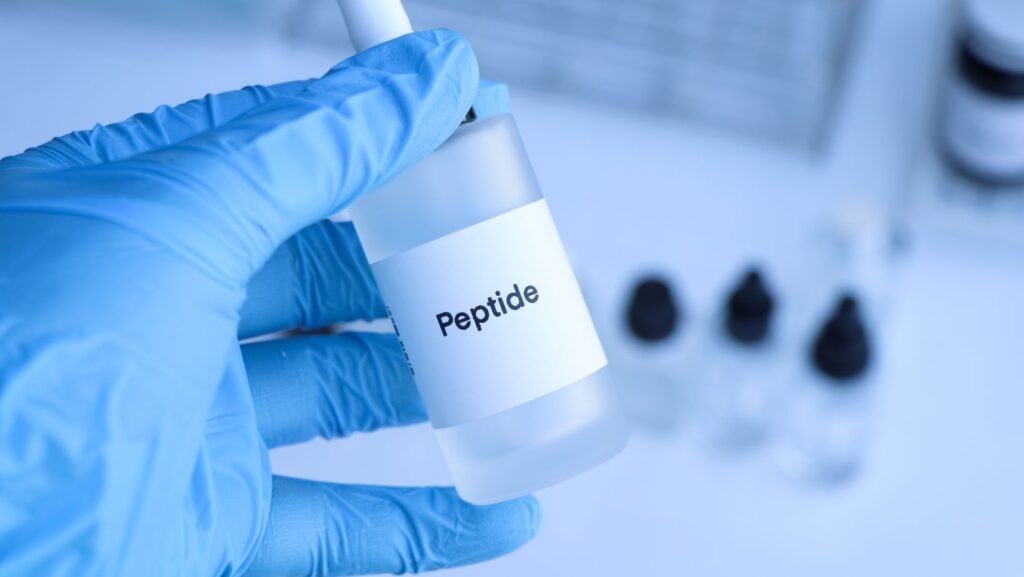
In the rapidly evolving landscape of regenerative science and biohacking, the conversation has shifted from broad-spectrum supplementation to the precise world of targeted signaling molecules. Peptides—short chains of amino acids—are redefining how scientists approach biological interaction by influencing specific cellular pathways. This targeted efficacy is why independent researchers are increasingly turning to specialized sources like NextGen Peptides to secure high-purity compounds for laboratory study. Unlike generic options, these molecules offer a highly specific lock-and-key approach to physiology, sparking considerable interest in their potential to influence physical recovery mechanisms and tissue adaptation in controlled experimental settings.
The Science of Skin and Aging
One of the most compelling areas of investigation lies in dermatological research. The copper peptide GHK-Cu is a prime example of how specific amino acid sequences can drive biological change. In laboratory settings, GHK-Cu is widely observed for its ability to bind with copper ions, which act as essential cofactors for enzymes involved in tissue repair.
Research indicates that this compound functions as a signaling agent, prompting fibroblasts to modulate the production of collagen and elastin. As these structural proteins naturally degrade over time, leading to laxity, studies suggest that reintroducing this signaling mechanism may help remodel tissue architecture. For researchers investigating regenerative protocols, the focus remains on this peptide’s capacity to influence gene expression patterns associated with cellular health, offering a scientifically grounded approach to understanding environmental damage repair.
Optimizing Recovery and Inflammation Protocols
Beyond aesthetics, peptides are becoming a cornerstone in research regarding physical performance and systemic recovery. Inflammation is a natural response to stress, but chronic inflammatory states can hamper physiological progress. Here, the focus shifts to compounds like KPV and Semax.
Research into KPV centers on a specific fragment of the alpha-MSH hormone, known for its ability to target inflammatory pathways. In experimental contexts, managing the inflammatory cascade is crucial for understanding rapid recovery. By targeting these pathways, KPV presents a fascinating avenue for supporting muscle repair and systemic balance without the broad-spectrum impact often associated with traditional pharmaceutical interventions. Similarly, while Semax is often categorized as a nootropic, its neuroprotective properties play a vital role in research surrounding “neural fitness.” Current inquiry explores its potential to help maintain focus and clarity, providing a broader scope for understanding how signaling molecules might support complex biological systems.
Defining Quality and Purity
Regardless of the intended application—whether it is skin remodeling or systemic response—the validity of the outcome depends entirely on the purity of the source material. A common pitfall for researchers is the use of “99% purity” claims that lack verification. Impurities in a sample, such as residual solvents or synthesis byproducts, can introduce toxicological variables that skew results, making data on recovery or cellular effects unreliable.

To ensure the integrity of research, valid third-party testing is essential. Legitimate providers distinguish themselves through transparency. When evaluating sources, prioritize the following indicators of quality:
- Certificates of Analysis (COAs): Ensure the document is batch-specific and recent to guarantee the relevance of the data.
- HPLC Verification: High-Performance Liquid Chromatography reports should confirm the absence of heavy metals or degradation.
- Domestic Stability: Shipping conditions are critical; domestic sourcing is often preferred to prevent the degradation seen in extended international transit.
Navigating the peptide landscape requires a critical eye. Whether investigating the regenerative potential of GHK-Cu or the anti-inflammatory benefits of KPV, success begins with verified, high-purity materials. As synthetic biology continues to advance, the understanding of recovery and aging will only deepen, provided that the foundation of that research remains built on reliable, transparent data.