
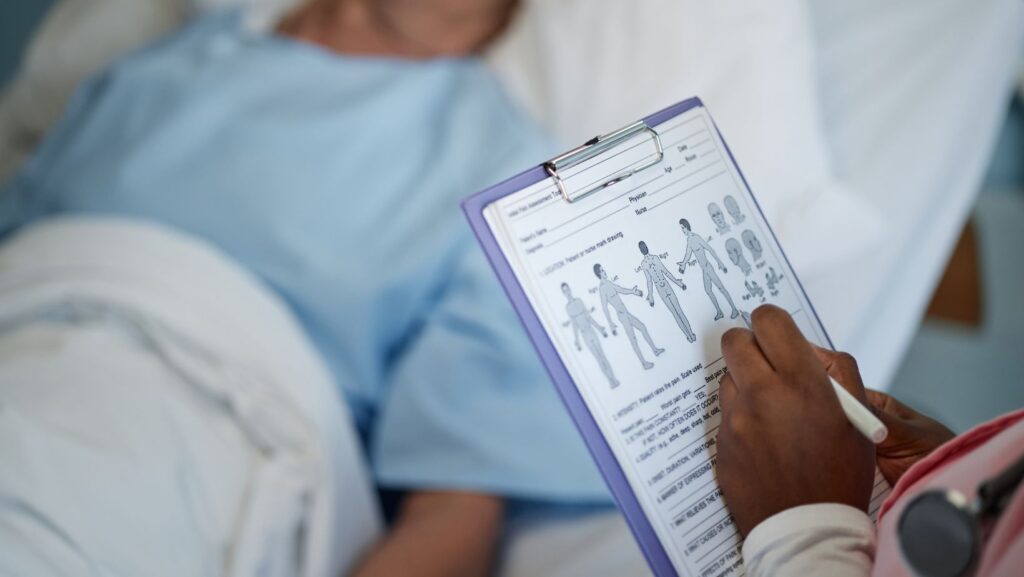
A patient’s chart tells you what’s wrong medically. It rarely tells you what that illness means to them, how their cultural background shapes their understanding of it, or whether their spiritual beliefs will influence how they engage with the treatment plan you’ve developed. Those factors don’t show up in lab values, but they show up constantly in patient behavior—in whether someone takes their medications as prescribed, whether they disclose symptoms they find shameful or spiritually significant, and whether they trust the care environment enough to be honest with the clinicians treating them.
Incorporating spiritual and cultural factors into a holistic nursing assessment isn’t a soft add-on to rigorous clinical care. It’s a core competency for nurses who want to understand patients as complete people rather than collections of symptoms—and it directly affects the quality and effectiveness of the care delivered.
Why Culture Shapes Health Behavior More Than Most Clinicians Acknowledge
Cultural background influences how patients define illness, whom they trust with health information, what treatments they consider acceptable, and how they make decisions about care. A patient from a collectivist cultural background may defer major medical decisions to family elders rather than making them individually—not because they’re passive, but because that’s how significant decisions are made in their community. A patient whose cultural framework attributes illness to spiritual imbalance may pursue traditional healing practices alongside or instead of biomedical treatment. Neither of these responses is irrational within its own context, but both can look like non-compliance to a clinician who hasn’t asked the right questions.
Culturally competent assessment starts with curiosity rather than assumption. Asking a patient how they understand what’s happening to their health, what they’ve already tried, and who else is involved in their care decisions opens doors that a standard intake form typically leaves closed. These conversations take a few minutes and frequently change everything about how a care plan gets structured.
Spiritual Assessment and Why It Belongs in Clinical Practice
Spiritual wellbeing is a recognized dimension of health, not a topic reserved for chaplains. For many patients, spiritual beliefs are the primary framework through which they understand suffering, healing, and death. A patient facing a serious diagnosis may be drawing on religious faith as their central coping resource—or struggling with a spiritual crisis that is compounding their clinical presentation. Either way, the nurse who never asks has no way to know. Structured spiritual assessment tools like the FICA framework—which explores Faith, Importance, Community, and Address in care—give nurses a practical way to open spiritual conversations without overstepping professional boundaries or imposing personal views. The goal is not to provide spiritual guidance but to understand what role spirituality plays in this particular patient’s experience of illness and recovery, and to factor that understanding into care planning.
Patients who feel spiritually seen and respected by their care team tend to engage more openly, adhere more consistently, and report higher satisfaction with their care experience.
Practical Approaches to Integrating Both Dimensions
Holistic assessment that genuinely incorporates cultural and spiritual factors doesn’t require dramatically longer patient encounters. It requires intentional questioning and active listening during the time already available.

A few practices that support this integration:
- Use open-ended questions early: “What do you think might be causing this?” and “Is there anything about your background or beliefs I should know to take good care of you?” invite patients to share on their own terms.
- Ask about support systems: Understanding whether a patient has a faith community, family network, or cultural community that plays a role in their health decisions provides context that shapes every subsequent conversation.
- Document cultural and spiritual factors in a useful way: Notes that capture these dimensions allow the broader care team to approach the patient consistently rather than each clinician starting from scratch.
- Avoid making assumptions based on ethnicity or religion: Cultural identity is individual. Two patients from the same background may hold entirely different beliefs and preferences.
How Education Builds This Competency
Holistic assessment skills aren’t typically developed through clinical experience alone—they require deliberate education in communication, cultural humility, and the social determinants of health. BSN-level nursing programs build these competencies more explicitly than associate degree curricula, which tend to prioritize acute care clinical skills. Nurses who return to school for a bachelor’s degree often report that the coursework on population health, cultural competence, and community nursing changes how they approach every patient encounter—not by adding a checklist to their workflow, but by genuinely shifting how they listen.