
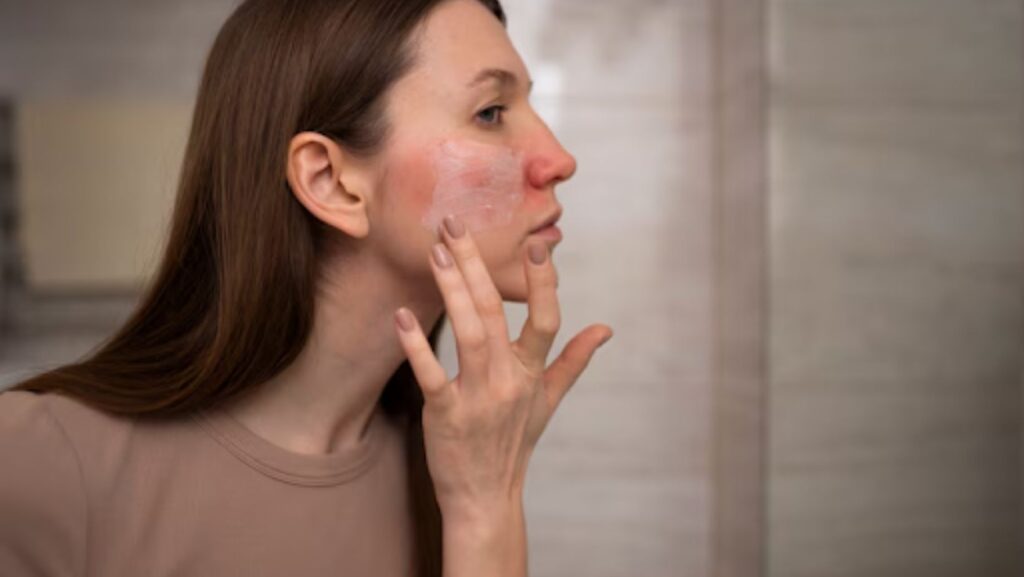
Acne scars can affect not only your skin’s appearance but also your confidence. With so many treatment options available today, it can be difficult to decide where to start, especially when comparing two of the most sought-after procedures: microneedling and laser therapy.
If you’re currently exploring your options for an acne scar treatment, understanding how these two methods differ in terms of effectiveness, cost, safety, and downtime is essential. In this article, we’ll break down the pros and cons of each treatment, using up-to-date dermatological insights to help you make an informed decision.
Understanding the Basics
What is Microneedling?
Microneedling uses fine needles to create controlled micro-injuries on the skin, triggering the body’s natural healing response and collagen production. It’s commonly used for atrophic acne scars—like rolling or boxcar scars. For professional treatments and expert guidance, many clients trust V Medical Aesthetics to achieve optimal results safely and effectively.
What is Laser Therapy?
Laser therapy uses concentrated light beams to remove damaged skin layers or stimulate deeper skin repair. There are different types: ablative (removes skin layers) and non-ablative (targets deeper layers without damaging the surface). Laser treatments are particularly effective for textural scarring and pigmentation.
Side-by-Side Comparison: Microneedling vs. Laser Therapy
| Feature | Microneedling | Laser Therapy |
| Effectiveness | Moderate to high for mild to moderate scars | High for moderate to severe scars |
| Skin Tone Suitability | Safe for all skin tones | May pose pigmentation risks for darker tones |
| Downtime | 1–3 days of redness | 5–10 days depending on laser type |
| Discomfort | Mild (numbing cream used) | Varies—can be more intense |
| Cost per Session | Lower | Higher |
| No. of Sessions | 3–6 recommended | 1–3 for ablative; more for non-ablative |
Which Treatment Is Better for You?
Consider Your Scar Type
- Rolling or shallow boxcar scars: Microneedling is often effective.
- Ice pick scars: Laser treatments or TCA CROSS are usually recommended.
- Pigmented scars: Laser therapy may help, but proper screening is essential to avoid hyperpigmentation.
Consider Your Skin Tone
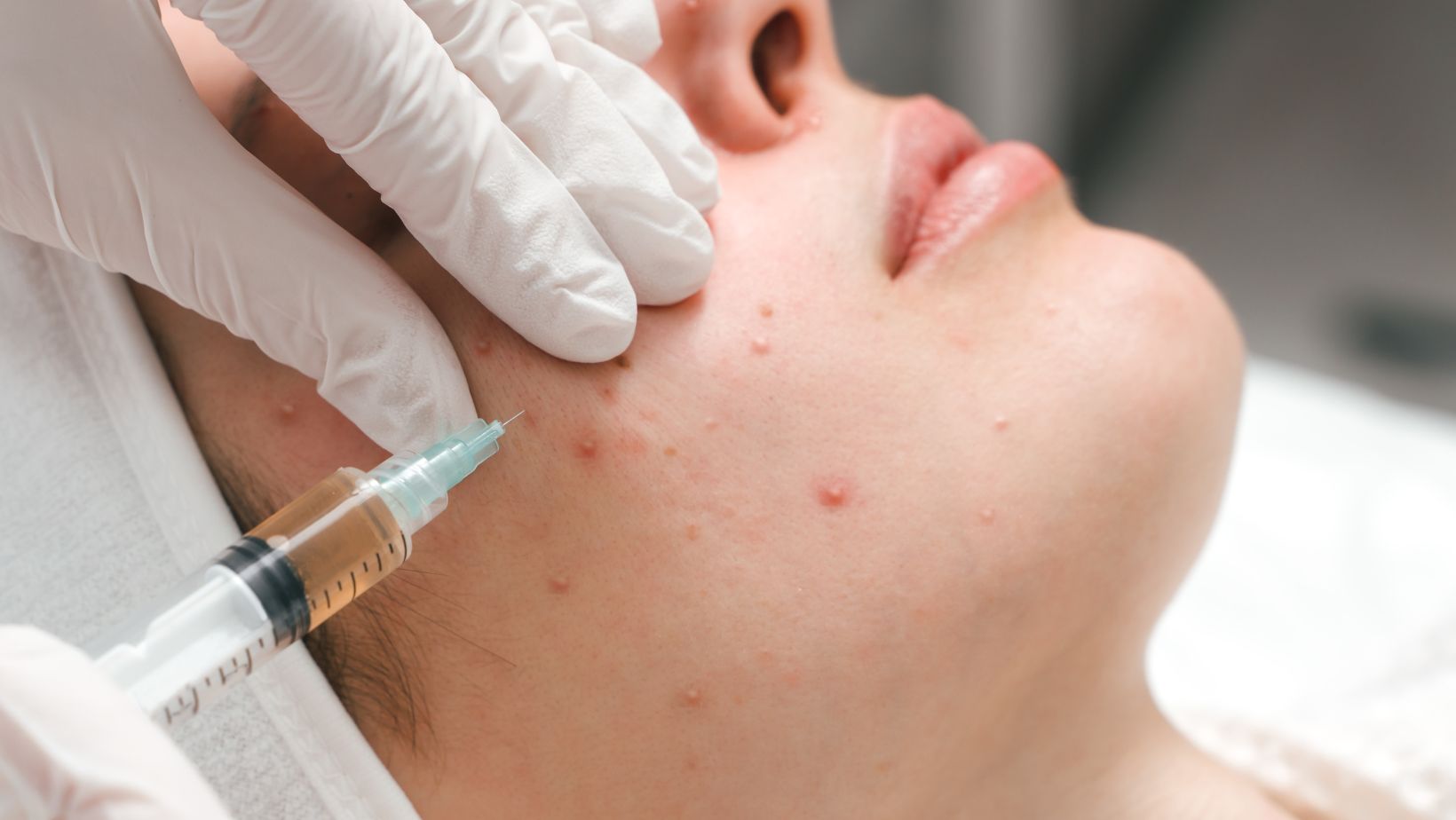
Microneedling has a strong safety profile across all skin tones. Laser therapy, especially ablative types, carries a risk of post-inflammatory hyperpigmentation in darker skin and should be performed cautiously.
Consider Your Lifestyle and Recovery Time
- Microneedling offers a quicker return to daily life, which may be ideal if you have a busy schedule.
- Laser therapy often requires more downtime, especially with ablative lasers, but may yield faster, more dramatic results.
Expert Insights and Safety Considerations
A dermatologist or licensed provider will evaluate your skin before recommending a treatment. Factors like current medications (e.g. isotretinoin use), skin infections, and overall skin sensitivity play a role in treatment suitability. For example, microneedling might be delayed if your skin barrier is compromised.
Combined Approach: Why You May Not Need to Choose Just One
Many clinics today recommend combining both treatments—starting with microneedling to prepare the skin, followed by laser therapy for deeper improvement. This approach can often enhance outcomes and balance out each treatment’s limitations.
That said, treatments must be spaced properly and tailored to your skin type to reduce risks.
Final Thoughts
Choosing between microneedling and laser therapy for acne scar treatment depends on your scar type, skin tone, budget, and lifestyle. Each method offers unique benefits and trade-offs. Microneedling is a good entry point for most skin types, especially if downtime is a concern. Laser therapy may deliver quicker or more dramatic results, particularly for deeper scarring, though it often comes with a higher price tag and recovery time.
To ensure the best results, consult a qualified provider who can assess your skin and guide you through the most suitable options. Learn more about personalised acne scar treatment here.