
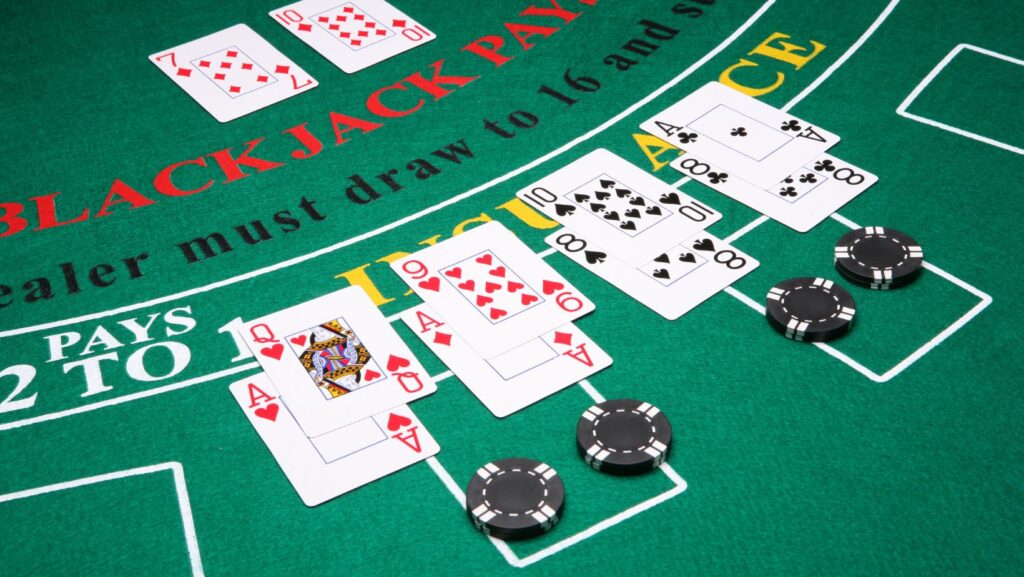
Blackjack has long been a favorite in casinos because it mixes skill with luck. Unlike slot machines that spin on a €0.20 minimum bet, blackjack asks players to balance decisions, probability and money management. With tables ranging from €5 minimum wagers to high-limit rooms where €500 hands are common, it is a clear example of how risk can be managed in real time. These lessons extend beyond the casino floor, showing that strategies at the table mirror strategies in finance, careers and everyday decision-making.
Understanding Probability and Decisions
Blackjack works on clear probabilities. A player holding a 16 against a dealer’s 10 faces a strong statistical disadvantage, which is why basic strategy recommends standing in some cases and hitting in others. This reliance on probability rather than impulse is one of the clearest parallels to real life. Investors, for example, rely on calculated odds when evaluating whether a project with a €50,000 upfront cost will yield long-term profit.
Casinos such as Play Bet Canada highlight the importance of these calculated decisions by providing strategy charts alongside live blackjack games. Just as a chart suggests when to double down on a €50 hand, a financial planner uses models to know when to expand a portfolio. Both rely on discipline rather than luck.
Bankroll Management as Life Budgeting
One of the most valuable skills blackjack teaches is bankroll management. A professional player often brings a bankroll of €5,000 to a table but limits each hand to a fraction of that total. The principle is that no single decision should jeopardize long-term play.
This directly reflects household or business budgeting. A family may earn €3,000 per month but allocate only €600 to entertainment and leisure. A company with €500,000 in working capital might risk only €50,000 on a new product launch. Just as in blackjack, the key lies in setting strict limits before taking action.
| Context | Total funds | Allocation limit | Purpose |
| Blackjack session | €5,000 bankroll | €100 per hand | Ensures long playtime |
| Family budget | €3,000 income | €600 for leisure | Prevents overspending |
| Business launch | €500,000 capital | €50,000 test phase | Controls exposure |
Structured Versus Fast Paced Choices
Blackjack balances structure with speed. Each round takes only a few seconds, but the decisions within that window demand thought. Choosing whether to split a pair of 8s in a €200 game requires structured knowledge, while responding quickly ensures the flow continues.
In daily life, the same duality appears. Negotiating a contract worth €20,000 involves structured preparation, but decisions during the meeting must be made fast. The ability to combine knowledge with timing is central to both success at the tables and success outside them.
Personality Traits and Approaches to Risk
Different personalities emerge clearly at blackjack tables. Conservative players may stick to minimum bets of €5 per hand, valuing slow and steady progress. Risk-takers might raise stakes to €200 or more, chasing big swings. The same applies in professional settings. Some workers prefer stable jobs with predictable salaries, while entrepreneurs risk larger sums for potential high returns.
Both approaches can work, provided they match the individual’s temperament. The game makes these tendencies visible and shows that aligning strategy with personality is often better than forcing a style that feels unnatural.
Learning from Losses as Well as Wins
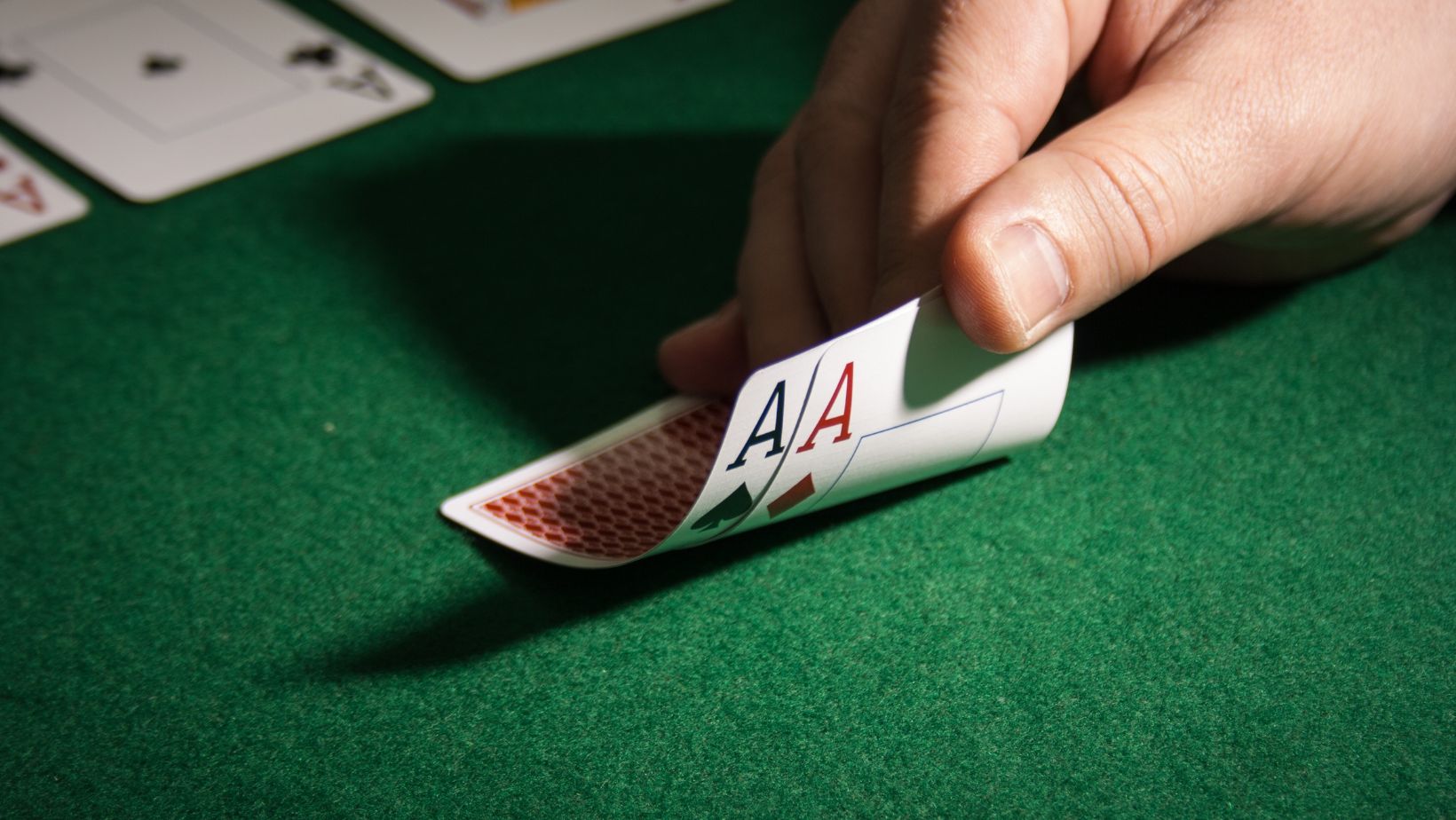
Every blackjack player faces losses, even with correct play. A run of ten losing hands at €50 each can erase €500 in minutes. What matters is how one reacts. Walking away or adjusting strategy demonstrates emotional control, which is essential in real life too.
For example, a failed €10,000 investment in a business project may hurt, but cutting losses early prevents larger damage. The discipline of accepting small setbacks while keeping the bigger picture intact is a shared lesson across gaming and finance.
Broader Impact of Risk Awareness
By studying blackjack, people learn to evaluate odds, allocate resources and control emotions under pressure. Casinos support this structured approach by offering clear table limits, ranging from €5 entry games for beginners to exclusive €1,000 per hand VIP tables. These structured environments mirror regulated frameworks in business and investment, where clear rules shape behavior.
When applied outside the casino, these skills improve decision-making in areas as varied as property purchases, stock trading and even choosing long-term savings plans. The principles remain consistent—assess probability, manage capital and respect limits.
Game as a Teacher of Real Life Skills
Blackjack is more than entertainment. It is a condensed model of decision-making where stakes are immediate, feedback is constant and outcomes depend on both skill and chance. Whether it is a €20 hand at a local casino or a €200,000 project in business, the underlying logic is the same.
From bankroll management to understanding probability, blackjack provides a clear framework for risk management that extends into real life. Those who study the game closely often find themselves better prepared to face challenges beyond the table, proving that lessons learned under the glow of casino lights can carry far into everyday life.