

By the time someone hits their 50s or 60s, the goal usually changes. It’s about staying mobile, sharp, independent, and not spending half the year sitting in waiting rooms.
It’s usually not one big event that leads to a hospital visit. It’s small things piling up: bad sleep, less activity, more pills, higher blood pressure, lower energy until the body finally pushes back.
The good news? Most of it is manageable through consistent practical habits adhering to your age.
1. Protect Your Muscle Like It’s Gold
Muscle loss accelerates after 50. It affects balance, metabolism, blood sugar, bone strength, and posture. Maintaining muscle mass through regular strength training and proper nutrition can help preserve independence and reduce the risk of falls and injuries as you age. Understanding how your body is aging can also provide valuable insight into your overall health and wellness. Tools such as the biological age assessment offered by Unaging can help you evaluate how lifestyle factors may be influencing the aging process and identify areas for improvement.
Losing muscle is one of the fastest ways to lose independence.
Strength training does not mean bodybuilding. It means:
- Lifting moderate weights two to four times a week
- Using resistance bands
- Doing bodyweight movements like squats, push-ups against a wall, step-ups
Muscle protects joints. It stabilises blood sugar. It reduces fall risk. That alone keeps many people out of hospital.
Even 30 minutes per session is enough if it’s consistent.
2. Walk Every Single Day
Walking is underestimated.
It improves circulation, joint lubrication, digestion, mood, and heart health. It keeps the body moving without stressing it.
Aim for:
- 30 to 45 minutes daily
- Or shorter walks twice a day
- Natural sunlight exposure when possible
Honestly, walking helps more than people think. It keeps your body moving, circulation going, and even clears your head a bit. Too many sedentary days pile up fast, and a simple walk can break that pattern.
3. Eat for Stability, Not Just Taste
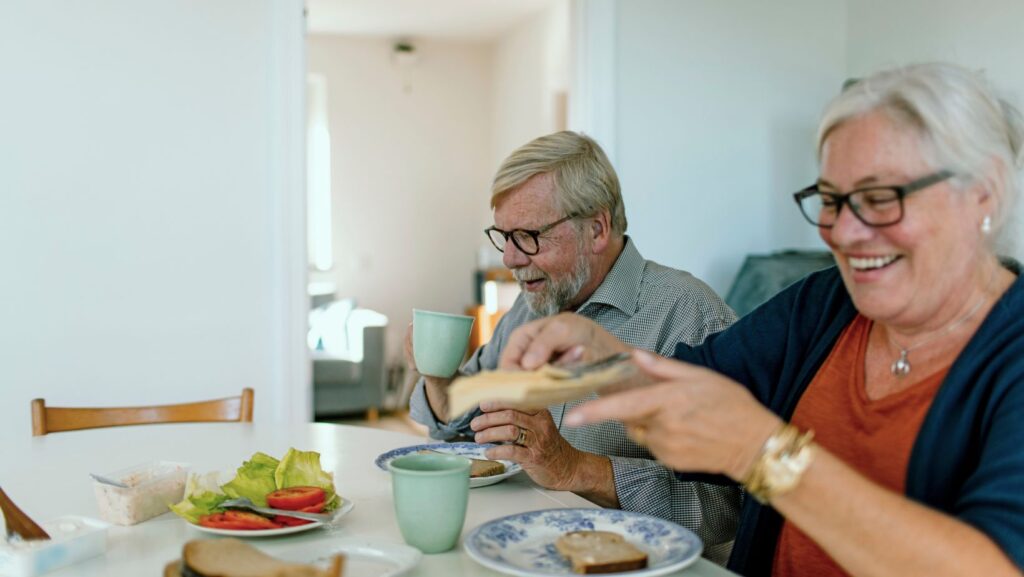
At this stage of life, food becomes less about indulgence and more about maintenance.
Focus on:
- Protein at every meal to maintain muscle
- Fibre from vegetables, legumes, oats
- Healthy fats in moderate amounts
- Reducing ultra-processed foods
Blood sugar going up and down all day puts stress on the body. Eating regular, balanced meals usually keeps energy steadier and inflammation lower.
Digestion can slow a bit over time, so small adjustments usually help like eating warmer meals, drinking enough water, and sometimes simple herbal options like dandelion root tea if it suits you. Many people look into the benefits of dandelion tea because it’s traditionally used to support digestion and bile flow, which can help meals feel easier to process.
Food should leave you feeling comfortable and energised, not weighed down afterward.
4. Take Sleep Seriously
As time goes on, recovery becomes more important. And sleep does most of that work quietly in the background, helping your body regulate things like blood pressure, immunity, mood, and even how clearly you think.
A solid sleep routine includes:
- Consistent bed and wake times
- Reducing screens before bed
- Limiting late-night heavy meals
- Keeping the bedroom cool and dark
Chronic sleep deprivation increases risk of cardiovascular problems and metabolic issues. That is not dramatic language. That is physiology.
Protect sleep like it protects you.
5. Keep Your Mind Active
Cognitive decline is not inevitable at 60. Simple things help more than people expect like reading, learning something new, spending time with others, even having proper conversations that make you think a little. The brain responds to use. When days become repetitive and isolated, it tends to slow down.
And isolation affects more than mood. People who stay socially connected often cope better with stress and tend to stay mentally sharper for longer. Staying connected is not just social — it actually supports overall health.
6. Manage Stress Before It Manages You
Chronic stress does not disappear with age. Sometimes it increases.
Financial concerns. Family pressures. Health worries but unmanaged stress elevates blood pressure, weakens immunity, and disrupts digestion.
Practical stress reduction includes:
- Structured routines
- Light daily movement
- Social time
- Breathing exercises
- Time outdoors
Stress will always exist. What we can do it how to manage it, how to stabilize ourselves that is in our control
7. Schedule Preventive Care, Not Just Emergency Care
Waiting until something feels wrong is how hospital visits happen.
Routine checks matter:
- Blood pressure
- Cholesterol
- Blood sugar
- Bone density
- Cancer screenings
Preventive medicine catches problems early. Early detection means simpler treatment.
This is not about fear. It is about strategy.
8. Stay Hydrated
Staying hydrated matters more than people realise. It affects circulation, how your kidneys work, and even how clearly you think during the day. The tricky part is that as people get older they often don’t feel as thirsty, even though the body still needs fluids regularly.
But still you can make changes, have water always near to you wherever you go, during travelling, at job. Make it a rule that you need to drink 3-4 litres anyhow in a day.
9. Protect Balance and Mobility
One of the biggest reasons people end up in hospital as they get older is simply falls. Balance tends to change gradually, so doing small things to maintain it really helps. Even simple habits like standing on one leg while brushing your teeth, gentle yoga, tai chi, or slow controlled stepping exercises can keep your balance sharper.
Keeping your hips and shoulders moving matters too. When joints stay mobile, the body reacts faster and injuries become less likely.
Final Word
Your 50s and 60s aren’t really about decline. They’re more about maintenance.
If you keep some strength, manage stress reasonably well, eat properly, and stay mobile, you can stay independent for a long time.
It’s less about doing everything perfectly and more about doing the basics consistently. Small habits done every day matter more than occasional big efforts.